How to Do Shirshasana (Headstand Pose): Steps, Precautions, and Benefits

Shirshasana (Sanskrit: Śīrṣāsana), commonly called the Yoga Headstand, is a classical inversion posture in Hatha Yoga where the body balances upside down on the crown of the head supported by the forearms and interlocked fingers. Known as the “King of Asanas”, Shirshasana strengthens the body, improves circulation, and enhances mental focus.
In Salamba Shirshasana (Supported Headstand), practitioners create a stable triangular base using the forearms, elbows, and crown of the head, lifting the spine vertically while engaging the core, shoulders, and legs. This posture is considered both an asana (physical posture) and, in some traditional Hatha Yoga texts, a mudra-like energetic practice due to its influence on prana flow, brain circulation, and nervous system balance.
Regular practice of Shirshasana may help improve blood flow to the brain, strengthen shoulders and arms, enhance concentration, stimulate the endocrine system, and support nervous system regulation. Because it is a full-body inversion, beginners should practice under the supervision of a qualified yoga teacher and avoid it if they have neck injuries, high blood pressure, glaucoma, or heart conditions.

Sanskrit Breakdown and Pronunciation
The word Shirshasana comes from two Sanskrit terms:
-
Śīrṣa (शीर्ष) meaning “head”
-
Āsana (आसन) meaning “posture” or “seat”
So, Shirshasana literally translates to “Head Pose” or more commonly, Headstand Pose.It is pronounced as: Sheer-shah-suh-nuh
Anatomy of Shirshasana (Headstand Pose)
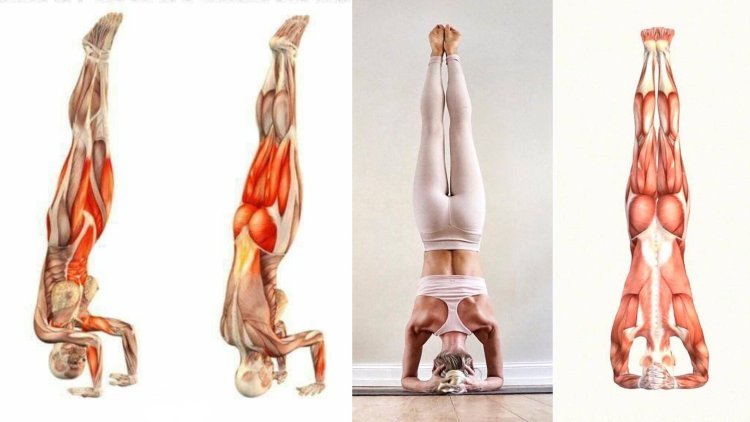
Shirshasana, also known as the Headstand Pose, engages several important muscle groups that help maintain balance, stability, and control while the body is inverted. When practiced correctly, this powerful asana strengthens and activates multiple areas of the body.
The primary muscles involved in Shirshasana include:
-
Neck muscles – support the head and help maintain alignment.
-
Lower back muscles – assist in stabilizing the spine during the inversion.
-
Biceps and triceps – provide strength and support through the arms and shoulders.
-
Hip internal muscles – help maintain balance and control in the inverted position.
Because of the engagement of these muscle groups, Shirshasana can be effectively incorporated into yoga sequences that focus on upper body strength, core stability, and spinal alignment.
Shirshasana in Yoga Sequences
Shirshasana is widely practiced in different yoga styles and training sequences. It is commonly included in:
-
Iyengar Yoga sequences, where props and alignment techniques help practitioners safely enter and hold the posture.
-
Teen yoga sequences, as it helps develop strength, focus, and body awareness.
-
Ashtanga Yoga sequences, where it appears as part of advanced inversions and balancing practices.
Regular practice of Shirshasana not only builds physical strength but also improves concentration, balance, and mental clarity.
Steps to Perform Shirshasana (Headstand Pose)
Follow these step-by-step instructions to safely practice Shirshasana in modern yoga practice:
1. Begin in Balasana (Child’s Pose)
Start on a yoga mat in Balasana (Child’s Pose).
Relax your body, close your eyes, and take a few slow, deep breaths to prepare the mind and body.
2. Create the Forearm Base
Kneel on the mat and interlock your fingers.
Place your forearms on the floor with elbows shoulder-width apart, forming a stable triangular base.
3. Position the Crown of the Head
Gently place the crown of the head on the mat between your hands.
The back of the head should rest lightly against the interlocked fingers for support.
4. Lift the Hips
Slowly lift your hips upward, straightening the legs so the body forms an inverted V shape similar to Dolphin Pose.
5. Walk the Feet Closer
Gradually walk your feet toward the head, bringing the hips over the shoulders to shift the center of gravity.
6. Lift the Legs
Carefully lift one leg at a time or bend the knees toward the chest, then extend both legs upward until the body forms a straight vertical line.
7. Maintain the Pose
Keep the core engaged, shoulders active, and breathe slowly through the nose.
Hold Shirshasana for 30–60 seconds if comfortable.
8. Controlled Exit
To release the pose, bend the knees slowly, lower the legs with control, and return to the mat.
9. Rest in Balasana
Rest again in Child’s Pose for a few breaths to allow the circulatory and nervous systems to normalize.
Important Safety Note
Because Shirshasana is an advanced inversion, beginners should practice under the guidance of a qualified yoga teacher and avoid it if they have neck injuries, high blood pressure, glaucoma, or spinal conditions.
Shirshasana for Beginners
Shirshasana (Headstand Pose) is an advanced inversion, and beginners should approach it with patience and proper guidance. When practiced carefully, it can gradually build strength, balance, and confidence. If you are new to this pose, keep the following points in mind:
-
Practice under guidance: Always attempt Shirshasana in the presence of a qualified yoga instructor, especially during the initial stages. Proper guidance ensures correct alignment and reduces the risk of injury.
-
Use wall support: Beginners should practice the pose near a wall or a stable support. This helps you maintain balance and prevents falling while learning the posture.
-
Provide cushioning for the head: Place a folded blanket or cushion under your head for additional comfort and support. This reduces pressure on the crown of the head and makes the pose safer for beginners.
-
Build strength gradually: Avoid holding the posture for too long at the beginning. Start with a few seconds, and gradually increase the duration as your strength, balance, and stamina improve.
-
Listen to your body: Always practice within your comfort level. If you feel any strain or discomfort in the neck, shoulders, or head, gently come out of the pose and rest.
With consistent practice and proper guidance, beginners can safely progress in Shirshasana and eventually experience its many physical and mental benefits.
How Do You Know If You Are Ready for Shirshasana?
Shirshasana (Headstand Pose) is a powerful inversion that requires strength, stability, and mental readiness. Before attempting this posture, it is important to ensure that your body and mind are properly prepared. Here are some signs that indicate you may be ready to practice Shirshasana safely:
1. You Feel Confident, Not Fearful
The idea of practicing a headstand should not create fear or anxiety. Practicing with fear can cause the body to tighten and lose balance. When you feel calm and confident about attempting the pose, it becomes much easier to enter and hold it safely.
2. You Have No Neck Problems
Since Shirshasana places some weight on the head and shoulders, it is important that you do not have any neck injuries or pain. If you experience neck issues, it is best to avoid the pose or consult a yoga teacher or medical professional before practicing.
3. Your Neck and Shoulders Are Strong
A strong neck, shoulders, and upper body are essential for supporting the body during this inversion. Regular practice of preparatory poses helps build the strength required to safely hold the posture.
4. You Have Developed Body Control and Stability
To practice Shirshasana correctly, your body should feel stable and controlled, not loose or floppy. Core engagement, proper alignment, and muscular awareness help maintain balance and prevent strain.
Shirshasana Yoga Cues (Alignment Guide)
Arms & Elbows
Keep forearms shoulder-width apart and firmly grounded on the mat.
Interlock the fingers and create a strong base. Avoid letting the elbows slide outward.
Hands
Cup the palms around the back of the head for support. Maintain a firm but relaxed grip without excessive tension.
Head
Place only the crown of the head on the mat. The forearms should carry most of the body weight, protecting the neck.
Shoulders
Actively lift the shoulders away from the ears and press through the forearms to reduce pressure on the cervical spine.
Neck
Keep the neck long and neutral. Avoid collapsing or compressing the front or back of the neck.
Chest & Rib Cage
Expand the chest gently while drawing the rib cage inward to maintain a neutral spine.
Core
Engage the abdominal muscles to stabilize the torso. Strong core engagement supports the lift and balance.
Hips
Stack the hips directly over the shoulders and avoid arching the lower back.
Legs
Extend the legs straight upward and activate the inner thighs to maintain alignment.
Feet
Keep the toes active and pointed upward, maintaining full-body engagement.
Breath & Gaze
Maintain slow, steady breathing (pranayama) and focus the gaze on a stable point (drishti) to improve balance and concentration.
How Do You Know If You Are Ready for Shirshasana?
Shirshasana (Headstand Pose) is a powerful inversion that requires strength, stability, and mental readiness. Before attempting this posture, it is important to ensure that your body and mind are properly prepared. Here are some signs that indicate you may be ready to practice Shirshasana safely:
1. You Feel Confident, Not Fearful
The idea of practicing a headstand should not create fear or anxiety. Practicing with fear can cause the body to tighten and lose balance. When you feel calm and confident about attempting the pose, it becomes much easier to enter and hold it safely.
2. You Have No Neck Problems
Since Shirshasana places some weight on the head and shoulders, it is important that you do not have any neck injuries or pain. If you experience neck issues, it is best to avoid the pose or consult a yoga teacher or medical professional before practicing.
3. Your Neck and Shoulders Are Strong
A strong neck, shoulders, and upper body are essential for supporting the body during this inversion. Regular practice of preparatory poses helps build the strength required to safely hold the posture.
4. You Have Developed Body Control and Stability
To practice Shirshasana correctly, your body should feel stable and controlled, not loose or floppy. Core engagement, proper alignment, and muscular awareness help maintain balance and prevent strain.
Variations of Shirshasana (Headstand Pose)
Over time, Shirshasana has developed several variations in modern yoga practice, allowing practitioners to explore different levels of strength, balance, and control while practicing this powerful inversion.
1. Salamba Shirshasana (Supported Headstand)
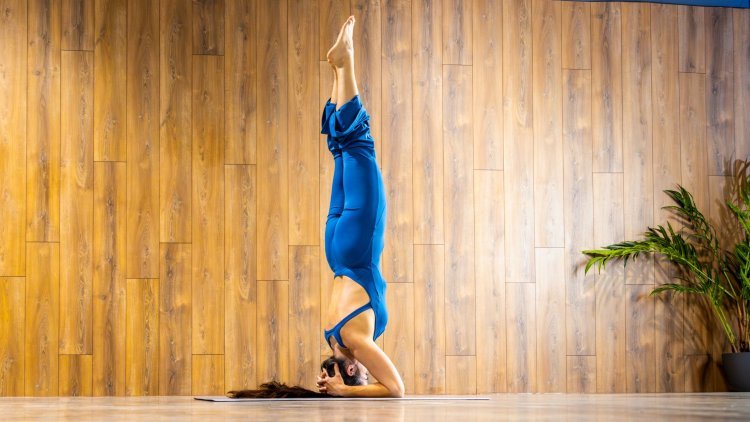
This is the most widely practiced version of Shirshasana.
The forearms press firmly into the mat, and the fingers interlock to support the back of the head, creating a stable triangular base. This support reduces pressure on the neck and cervical spine, making it safer for most practitioners.
2. Wall-Supported Headstand
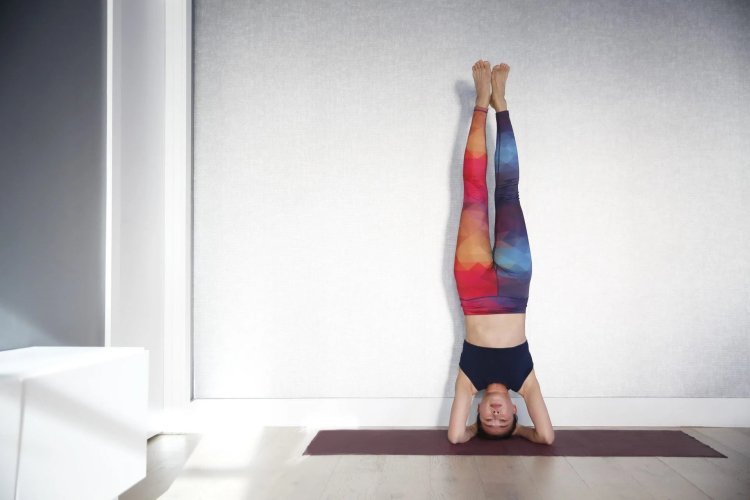
Beginners often practice Shirshasana against a wall for stability and safety.
Using the wall helps reduce the fear of falling and allows practitioners to focus on alignment, balance, and controlled breathing.
3. Lotus Headstand (Padma Shirshasana)
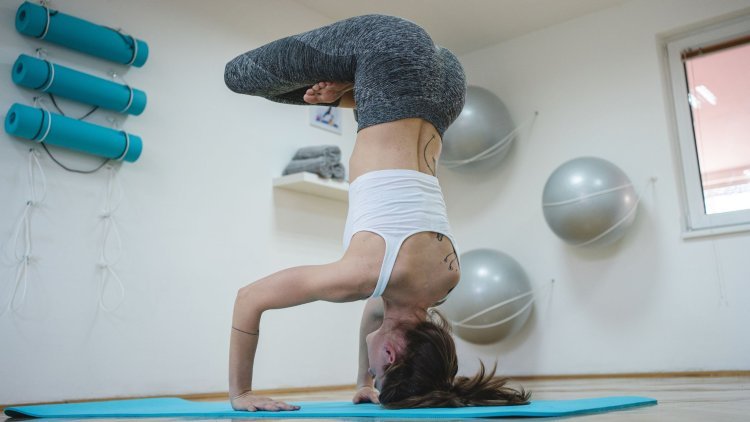
In this advanced variation, practitioners bring the legs into Padmasana (Lotus Pose) while balancing in the headstand.
This variation requires strong hip flexibility, balance, and core control.
4. Eagle Legs Headstand
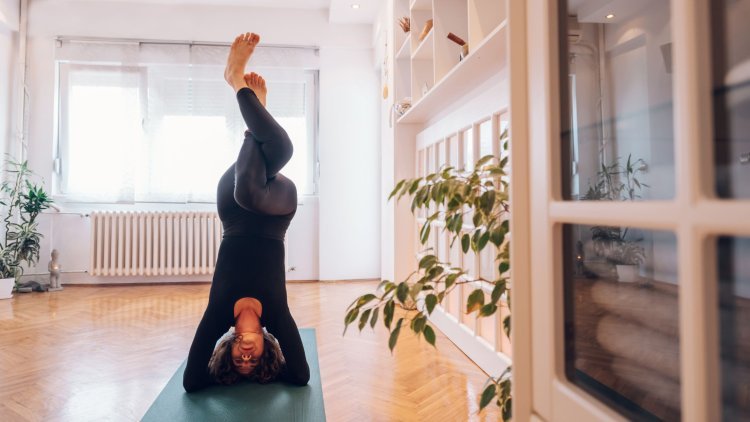
Here the legs are wrapped in Garudasana (Eagle Pose) position while maintaining the headstand.
This variation improves concentration, inner thigh activation, and balance.
5. Straddle Headstand
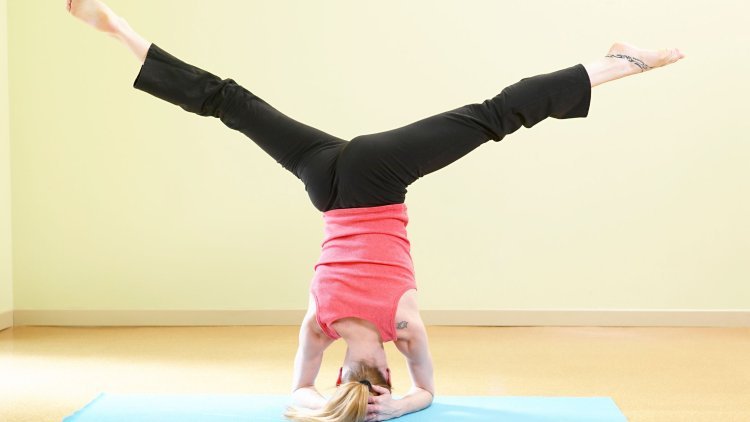
The legs open outward into a wide straddle position.
This variation challenges core stability and hip control while reducing the center of gravity during entry.
Benefits of Practicing Shirshasana Variations
Practicing different headstand variations can help:
-
Strengthen the core, shoulders, and arms
-
Improve proprioception (body awareness)
-
Enhance balance and concentration
-
Build confidence in inversion practice
-
Develop deeper control and stability in yoga practice
Benefits of Shirshasana (Headstand Pose)
Shirshasana, often called the “King of Asanas,” is one of the most powerful and beneficial yoga postures. When practiced regularly and correctly, it positively affects almost every part of the body. This inversion not only strengthens the body but also improves mental clarity and overall wellbeing. Let us explore the key benefits of Shirshasana.
1. Improves Physical and Mental Health
Shirshasana supports both physical fitness and mental balance. By reversing the flow of gravity, it refreshes the body and helps calm the mind, promoting overall wellbeing.
2. Helps Improve Digestion
This posture stimulates the digestive organs and can help relieve constipation and digestive discomfort. The gentle pressure on abdominal organs supports better digestion and elimination.
3. Enhances Memory and Concentration
Regular practice of Shirshasana increases blood circulation to the brain, which may help improve memory, focus, and intellectual capacity. This makes it particularly beneficial for students and individuals engaged in mental work.
4. Builds Confidence and Mental Clarity
Holding the headstand requires balance and discipline, which helps develop self-confidence, willpower, and concentration. It encourages mental clarity and promotes a more positive mindset.
5. Creates Balance in the Body
Shirshasana promotes harmony between the mind and body, helping practitioners feel more balanced, centered, and energized.
6. Reduces Fluid Retention
The inversion helps reduce fluid retention by encouraging proper circulation and lymphatic drainage within the body.
7. Stimulates Endocrine Glands
Practicing Shirshasana stimulates important glands such as the pituitary, pineal, and thyroid glands, supporting hormonal balance and overall health.
8. Improves Blood Circulation to the Face and Eyes
Because the body is inverted, there is increased blood flow to the head, face, and eyes, which may help nourish these areas and improve overall vitality.
9. Relieves Stress and Fatigue
Shirshasana is known for its ability to reduce stress and calm the nervous system. The increased circulation helps relax the body and refresh the mind.
10. Strengthens Upper Body Muscles
This posture helps develop core strength and stability while strengthening the arms, shoulders, and neck muscles.
11. May Slow Signs of Aging
The improved circulation and stimulation of glands may help support healthy skin and overall vitality, which is often associated with slowing the visible signs of aging.
12. Supports Healthy Hair Growth
Better blood flow to the scalp may help nourish hair follicles, potentially supporting healthier hair growth.
13. Improves Elimination and Internal Organ Function
The gentle inversion creates a subtle massage for internal organs, which can support better functioning of the digestive and elimination systems.
14. Supports Healthy Blood Levels
Regular practice may help improve overall circulation and can contribute to maintaining healthy hemoglobin levels, which is beneficial for individuals experiencing symptoms of anemia.
Frequently Asked Questions
What's Your Reaction?