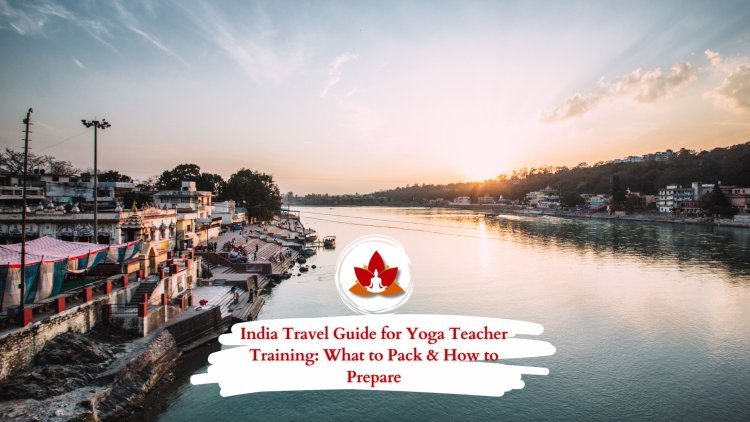
India Travel Guide for Yoga Teacher Training: What to Pack & How to Prepare
Thinking of Doing Your Yoga Teacher Training in India? Read This First.
Most people won’t tell you this before you book your flight to India…
You arrive full of excitement—but underprepared.
You underestimate the intensity of a Yoga Teacher Training (TTC), pack too many unnecessary things, and struggle to adapt to a completely new culture.
The result?
Anxiety, discomfort, and missing out on fully enjoying this once-in-a-lifetime experience.
But here’s the good news—
With the right preparation, your Yoga Teacher Training in India can become one of the most transformative and life-changing journeys you’ll ever experience.
What This Guide Will Help You With
-
Pack smart (not heavy)
-
Prepare physically and mentally
-
Avoid common beginner mistakes
-
Feel confident before you arrive
Quick Self-Check: Are You Ready for India?
Before you begin your journey, make sure you can confidently say YES to the following:
✔️ I have all my travel documents ready
✔️ I’ve researched my yoga school and location thoroughly
✔️ I’ve started a basic yoga practice
✔️ I understand and respect cultural differences
Why Choose India for Yoga Teacher Training (TTC)?
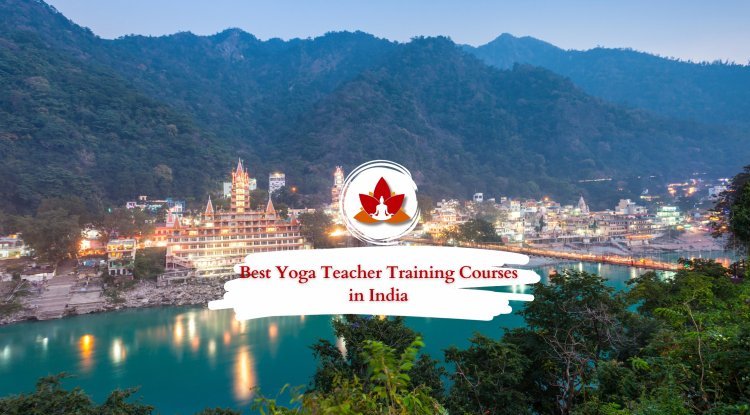
India is widely regarded as the ultimate destination for Yoga Teacher Training (TTC). As the birthplace of yoga, it offers an authentic and immersive experience rooted in a tradition that dates back over 5,000 years—something truly difficult to find anywhere else in the world.
Beyond physical practice, training in India becomes a complete lifestyle transformation, guided by ancient yogic philosophy and the wisdom of traditional teachers (gurus). It’s not just about learning yoga—it’s about living it.
What Makes India the Best Choice for Yoga TTC?
Authenticity & Heritage
India is the origin of yoga, allowing students to learn directly from its roots. Here, teachings remain deeply connected to classical texts like the Yoga Sutras and the Bhagavad Gita, preserving the true essence of yoga beyond modern adaptations.
Affordable Yet High-Quality Training
Compared to Western countries, India offers high-quality, residential Yoga Teacher Training programs at a much more accessible cost—without compromising on depth, experience, or certification.
A Truly Spiritual Environment
Destinations like Rishikesh (the “Yoga Capital of the World”), Goa, and Kerala provide a naturally serene and spiritually charged atmosphere. Surrounded by mountains, rivers, and sacred spaces, these locations support deep inner reflection and personal growth.
Holistic & Comprehensive Curriculum
Most Yoga TTC programs in India are Yoga Alliance certified and follow a well-rounded curriculum that includes:
-
Asana (postures)
-
Pranayama (breathwork)
-
Meditation
-
Anatomy & physiology
-
Yoga philosophy
-
Ayurveda
This ensures a balanced development of body, mind, and spirit.
A Global Yoga Community
Yoga Teacher Training in India attracts like-minded seekers from all over the world, creating a beautiful, diverse, and supportive learning environment. Many students leave not only as certified teachers—but with lifelong friendships and global connections.
In essence, choosing India for your Yoga Teacher Training is more than a course—it is a journey into the heart of yoga itself.
Best Places in India for TTC
|
Destination |
Experience |
Ideal For |
|
Rishikesh |
Spiritual, traditional |
Deep yogic immersion |
|
Goa |
Beach, relaxed |
Balance of yoga & leisure |
|
Kerala |
Healing, Ayurvedic |
Wellness-focused training |
|
Mysore |
Disciplined |
Ashtanga practitioners |
Why Preparing for Yoga TTC in India is Essential
A Yoga Teacher Training Course (TTC) in India is not a vacation—it’s a deeply immersive and disciplined journey.
It challenges you physically, mentally, and emotionally while introducing you to a completely new culture and lifestyle. Without proper preparation, this experience can feel overwhelming. But with the right mindset and planning, it becomes profoundly transformative.
Physical & Lifestyle Preparation
Build a Consistent Practice
Start practicing yoga at least 2–3 months before your arrival. Most TTC programs involve 5–6 hours of daily practice, so preparing your body in advance helps prevent fatigue and injury.
Transition to a Sattvic Diet
Gradually shift toward a vegetarian (sattvic) diet, reducing caffeine, sugar, and processed foods. This helps your body adapt more easily to the simple, nourishing meals typically served in ashrams.
Adjust Your Sleep Cycle
Yoga TTC schedules often begin early—around 5:00 AM to 6:00 AM. Training your body to sleep early and wake up early beforehand will make your transition much smoother.
Mental & Cultural Preparation
Set a Clear Intention
Take time to reflect on why you are joining this training.
Is it for a teaching career, personal growth, or spiritual exploration?
Having clarity will help you stay grounded during physically and emotionally intense moments.
Respect Local Culture
India is deeply rooted in tradition. Dress modestly (covering shoulders and knees), follow ashram guidelines, and maintain silence in sacred or shared spaces when required. Respect enhances your experience.
Health & Safety Essentials
-
Ensure your vaccinations are up to date
-
Carry a basic first-aid kit
-
Include probiotics and electrolyte powders to support digestion and hydration during dietary changes
What Your Daily Schedule May Look Like
Be prepared for a structured and disciplined routine:
-
Early morning meditation
-
Asana (yoga practice) sessions
-
Theory classes (anatomy, philosophy)
-
Teaching practice
-
Self-study or evening relaxation
Expect 6–8 hours of daily study and practice
Common First-Time Mistakes to Avoid
-
Arriving without physical preparation
-
Expecting luxury accommodations
-
Ignoring cultural etiquette and norms
What to Wear in India
Packing wisely depends on a few key factors:
-
Season: Summer, winter, or monsoon
-
Location: North India vs South India (climate varies greatly)
-
Duration of stay: Short trip or long-term stay
-
Travel plans: Staying in one place or exploring multiple regions
General Clothing Tips
-
Carry comfortable, breathable yoga clothes
-
Pack modest outfits for public and cultural settings
-
Bring a light jacket or warm layer—especially for night travel or early mornings
During winter months (December to February), temperatures can drop significantly—even in cities like Delhi, Mumbai, and Bangalore, particularly at night and early morning.
Remember: Preparation is not just practical—it is part of your journey. The more aligned you are before arriving, the deeper and more fulfilling your Yoga TTC experience in India will be.
What to Wear in Rishikesh
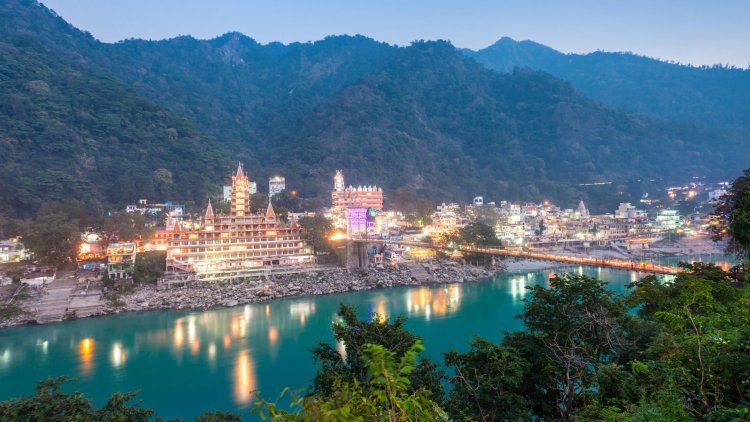
Packing the right clothes for Rishikesh can make a big difference in your comfort—especially during your Yoga Teacher Training. The weather here varies throughout the year, so it’s important to plan accordingly.
Winter in Rishikesh (December – February)
If you’re visiting during winter, warm clothing is essential. Temperatures can drop to around 5°C (41°F) in January, especially in the early mornings and evenings.
What to pack:
-
Warm jackets or sweaters
-
Gloves, scarves, and winter caps
-
Long trousers and layered clothing
-
Thermal wear for early morning practice
It can get surprisingly cold, especially near the Ganga and in the foothills of the Himalayas.
Best Time to Visit (March–April & October–November)
These months offer the most pleasant and balanced weather—ideal for yoga practice and outdoor activities.
-
Days are warm but comfortable
-
Evenings are slightly cool
-
Perfect for both practice and exploration
This is considered the best time for Yoga Teacher Training in Rishikesh.
Monsoon Season (July – September)
It’s generally not recommended to visit Rishikesh during the monsoon.
-
Heavy rainfall is frequent
-
Many schools, cafes, and activities may be closed
-
Outdoor excursions are limited
The experience can feel restricted due to weather conditions.
Summer (May – June)
Summers in Rishikesh can become intensely hot, especially in May and June. Because of this, many travelers and practitioners prefer heading towards cooler Himalayan destinations like Dharamshala during this time.
Quick Packing Tips
-
Choose comfortable, breathable yoga wear
-
Carry modest clothing (covering shoulders and knees) for local culture
-
Always pack at least one warm layer, regardless of the season
Pro Tip: Rishikesh’s weather can shift between warm days and cool mornings—layering is your best friend.
What to Wear in Mysore
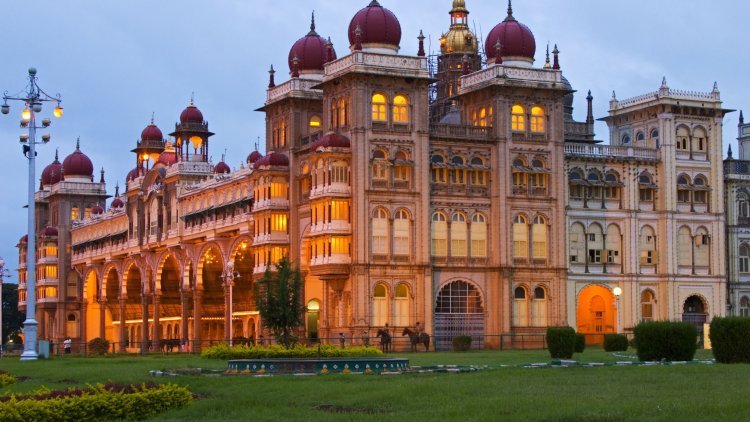
Mysore, located in South India, enjoys a generally warm and pleasant climate throughout the year, making it an ideal destination for yoga practice. However, slight seasonal changes mean you should still pack smart.
Year-Round Climate
Mysore stays warm most of the year, with a relatively dry and comfortable atmosphere—perfect for daily yoga sessions. Light, breathable clothing is your best choice for daytime practice.
Cooler Months (December – February)
While Mysore doesn’t experience harsh winters, early mornings and late evenings can feel slightly chilly during these months.
What to pack:
-
A light jacket or windbreaker
-
A scarf or shawl
-
Comfortable layers for early morning classes
If you plan to ride a scooter to your yoga shala in the early hours, a windproof (windstopper) jacket will keep you comfortable.
If you plan to ride a scooter to your yoga shala in the early hours, a windproof (windstopper) jacket will keep you comfortable.
Summer Season (April – June)
These are the hottest months in Mysore, with temperatures rising significantly during the day.
-
Wear light, breathable, and loose-fitting clothes
-
Stay hydrated and avoid heavy fabrics
Interestingly, this period also marks the end of the main yoga season, as many teachers take a break and resume classes around July or August.
Quick Packing Tips
-
Opt for cotton or moisture-wicking yoga wear
-
Keep clothing modest and comfortable
-
Always carry a light layer for early mornings
Pro Tip: Mysore mornings are calm, quiet, and perfect for practice—being comfortably dressed for those early hours will enhance your entire experience.
What to Wear in Kerala
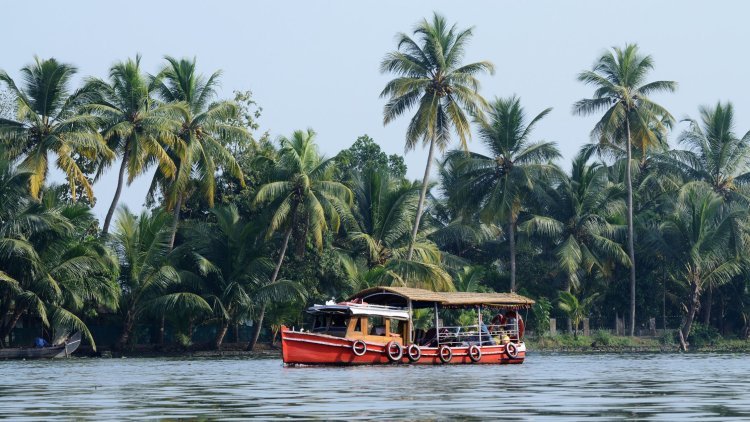
Kerala, often called “God’s Own Country,” is a lush tropical destination known for its backwaters, greenery, and coastal charm. Whether you’re joining a Yoga Teacher Training or simply visiting, dressing appropriately will help you stay comfortable in its warm and humid climate.
Hot & Humid Climate (Most of the Year)
Kerala remains warm, humid, and slightly more damp than Goa throughout the year.
What to pack:
-
Light cotton or linen clothing
-
Comfortable daily yoga wear
-
Breathable tops with loose pants or shorts
-
Sandals or flip-flops
Humidity can feel intense if you’re not used to it, so breathable fabrics are essential.
Best Time to Visit (October – March)
This is the most pleasant and ideal season for yoga and travel in Kerala.
-
Warm, comfortable days
-
Lower humidity compared to summer
-
Perfect for beaches, backwaters, and yoga practice
Light clothing is still recommended, though early mornings and evenings may feel slightly cooler.
Monsoon Season (June – September)
Kerala transforms into a beautiful green paradise during monsoon, but expect heavy rainfall.
What to carry:
-
Quick-dry clothes
-
A light raincoat or umbrella
-
Waterproof sandals
This season is also popular for Ayurvedic treatments and deeper, meditative experiences.
Summer Season (April – May)
Summers in Kerala can be intensely hot and humid, sometimes even more than North India.
What to wear:
-
Extremely light, loose-fitting clothes
-
Minimal layers
-
Light-colored fabrics to reflect heat
Quick Packing Tips
-
Choose breathable, sweat-friendly fabrics (cotton is ideal)
-
Dress modestly for yoga spaces and local culture (cover shoulders and knees when needed)
-
Always carry sun protection (hat, sunglasses, sunscreen)
Pro Tip: Kerala’s humidity can make you sweat more than expected—even during gentle yoga practice. Staying cool, dry, and comfortable will greatly enhance your overall experience.
What to Wear in Goa
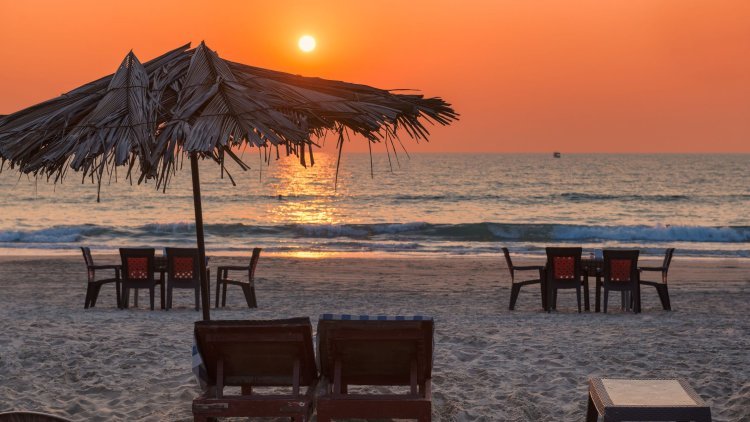
Goa offers a tropical, beachside climate, making it one of the most relaxed and easy-going destinations in India for Yoga Teacher Training. Your clothing here should be light, breathable, and suited for warm weather.
Warm & Tropical Weather (Most of the Year)
Goa stays hot and humid for most of the year, similar to Kerala.
What to pack:
-
Light summer clothes (cotton, linen, breathable fabrics)
-
Swimwear for beach time
-
Flip-flops or sandals
-
Comfortable, loose-fitting yoga clothes
Expect to spend most of your day in shorts, airy outfits, and beach-friendly wear.
Best Time to Visit (November – March)
This is considered the peak season in Goa, offering the most pleasant weather:
-
Sunny, bright days
-
Comfortable temperatures (not too hot)
-
Calm and beautiful sea conditions
During cooler nights—especially between December and February—you might need a light sweater or shawl.
For a quieter experience, October and April are also great options with fewer crowds and better deals.
Monsoon Season (May – September)
Goa experiences heavy rainfall during these months, and the vibe changes significantly:
-
Many cafes, yoga schools, and beach shacks may close
-
The sea becomes rough and less suitable for swimming
-
Outdoor activities are limited
What to carry:
-
A raincoat or umbrella
-
Quick-dry clothing
The monsoon season is generally not ideal for Yoga TTC or beach experiences in Goa.
Quick Packing Tips
-
Choose light, breathable fabrics to stay comfortable in humidity
-
Pack modest clothing for yoga classes and local areas
-
Don’t forget sun protection (hat, sunglasses, sunscreen)
Pro Tip: Goa’s lifestyle is relaxed and free-flowing—but staying comfortable, respectful, and well-prepared will enhance your entire experience.
Respecting Local Culture: What to Wear in India
Dressing appropriately in India is an important part of showing respect for local culture and traditions—especially during your Yoga Teacher Training journey.
While India is diverse and evolving, being mindful of how you dress will help you feel more comfortable and welcomed.
General Guidelines
For women, it is generally recommended to:
-
Cover shoulders
-
Wear clothing below the knees
-
Choose loose, modest, and comfortable outfits
These guidelines are especially important in yoga schools, ashrams, and spiritual spaces.
That said, attitudes are gradually changing, particularly in urban and tourist-friendly areas.
More Relaxed Areas
Some destinations are more liberal when it comes to clothing:
-
Goa: Very relaxed—beachwear like shorts, bikinis, and summer outfits are common
-
Kerala (Varkala & Kovalam Beaches): Swimwear is acceptable on beaches
-
Gokarna (Karnataka) & Mamallapuram (Tamil Nadu): Casual beachwear is generally fine
Big Cities
In cities like Mumbai and Delhi, clothing norms can vary depending on the area:
-
Modern neighborhoods are more open and flexible
-
Traditional areas still expect modest dressing
When in doubt, it’s always safer to dress conservatively.
For Men
Men generally have more flexibility in clothing choices across India.
However, modest and respectful attire is still appreciated, especially in spiritual or traditional settings.
Visiting Temples & Sacred Spaces
-
Always dress modestly and respectfully
-
Remove shoes before entering
-
In some temples (especially in Kerala), men may be required to remove their shirts as a sign of respect
Pro Tip: Dressing modestly isn’t about restriction—it’s about blending in, feeling comfortable, and honoring the culture you are stepping into.
Travel Packing List for India (Yoga TTC & Retreats)
Whether you’re planning to attend a Yoga Teacher Training (TTC) or a retreat in India, packing wisely can make your journey smoother, more comfortable, and stress-free.
This carefully curated packing list includes all the essential travel items you’ll need for your stay in India.
Essential Documents
Passport & Visa Copies
Most guesthouses, hostels, and hotels will require a copy of your passport and visa for registration. While many places can make copies for you, it’s always helpful to carry a few printed copies to save time and hassle.
Bags & Travel Gear
Backpack or Travel Bag
Avoid hiking backpacks with only a top opening—they can be inconvenient when accessing your belongings.
Instead, choose a suitcase-style backpack or travel bag with a wide opening for easy organization and access.
Travel Guidebook
A guidebook can be very useful—especially if it’s your first time in India or if you plan to explore beyond your yoga course.
Sleep Essentials
Earplugs
India is vibrant and lively—even at night. Whether you’re in a busy town or a peaceful ashram, there’s often background noise.
Earplugs are a small item that can make a big difference in your sleep quality.
Mosquito Protection
Travel Mosquito Net
You may not always need one—but when you do, it can be a lifesaver.
-
Especially useful in South India, where mosquitoes are more common
-
Not always provided in ashrams or guesthouses
Even in North India, mosquitoes can be intense during warmer months.
Mosquito Repellent
This is non-negotiable when traveling in India.
-
Easily available everywhere (popular option: Odomos)
-
Works like a lotion and is simple to apply
If you’re sensitive to strong smells, consider bringing your preferred repellent from home.
Practical Essentials
Headlamp or Torch
Power cuts can occasionally happen in India. A headlamp is incredibly useful, especially when:
-
Navigating at night
-
Searching through your bag
-
Using shared spaces without disturbing others
It’s also great for reading without turning on lights in shared rooms.
Travel Comfort
Travel Sheet
A travel sheet is lightweight and extremely practical:
-
Ideal for night trains or buses
-
Useful in basic accommodations
-
Easier to clean than a sleeping bag
Sleeping Bag (Optional)
In North India, blankets are usually provided. However, if you have allergies or hygiene concerns, bringing your own sleeping bag can offer extra comfort and peace of mind.
Footwear
Walking Sandals / Flip-Flops
In India, you’ll frequently remove your shoes when entering:
-
Temples
-
Ashrams
-
Homes
Choose comfortable, easy-to-remove footwear like sandals, flip-flops, or Crocs.
Water & Sustainability
Water Filter Bottle or UV Purifier
While bottled and filtered water is widely available, using a reusable filter bottle or UV purifier is a great option if you:
-
Want to reduce plastic waste
-
Prefer extra safety when drinking water
Travel Umbrella or Raincoat
India can be quite hot and humid, especially during the monsoon season. Wearing a raincoat often feels uncomfortable and sweaty.
A lightweight travel umbrella is usually a better and more practical choice.
You can also easily buy affordable umbrellas anywhere in India if needed.
International Driving License
If you plan to rent a scooter or drive in India, carrying an International Driving Permit (IDP) is highly recommended.
It helps you avoid unnecessary trouble with local authorities, especially if you are a foreign traveler.
Lock & Security Chain
For peace of mind during travel—especially on night trains or buses—carry a small lock and chain.
-
Secure your backpack under your seat
-
Prevent theft while you sleep
A simple tool that can make your journey much more stress-free.
Voltage Converters & Plug Adapters
Most modern devices like smartphones, tablets, and laptops are dual voltage (100–240V), meaning you do not need a voltage converter.
However, you will need a plug adapter to fit Indian sockets.
-
US/Canada travelers: bring a compatible adapter
-
European travelers: usually compatible with India’s 230V system
Devices like hair dryers, trimmers, or razors may require a voltage converter—always check the product manual.
Travel Towel (Better Alternative)
Microfiber towels are popular, but they can sometimes:
-
Take longer to dry than expected
-
Develop odor or mold
A sarong is often a better choice:
-
Dries quickly
-
Feels softer on the skin
-
Can be used as a towel, wrap, or even beachwear
Swiss Knife / Multi-Tool
A compact multi-tool can be surprisingly useful for everyday situations:
-
Cutting fruits
-
Opening bottles or cans
-
Small repairs
A small item, but extremely handy during travel.
Menstrual Cup
A menstrual cup is a practical and eco-friendly alternative to pads and tampons, which may not always be easily available in certain areas.
It’s compact, reusable, and ideal for long-term travel.
Best Travel Gadgets to Carry to India
Choosing the right gadgets can make your travel smoother and more convenient.
Smartphone
Your all-in-one essential:
-
Camera
-
Navigation
-
Communication
-
Entertainment
A must-have for every traveler.
Tablet
A tablet offers a larger screen for:
-
Reading books or PDFs
-
Watching content
-
Light work
Ideal if you plan to study or read during your TTC.
Laptop
Useful for:
-
Writing assignments
-
Work or content creation
-
Managing photos and files
Especially helpful for longer stays or intensive courses.
External Hard Drive
Perfect for storing:
-
Photos and videos
-
Movies or study material
Great if you plan to capture and keep your travel memories.
Power Bank (Portable Charger)
An absolute essential in India.
-
Charge devices during travel (bus, train, flights)
-
Useful during occasional power cuts
You’ll find yourself using it more often than you expect.
Final Tip:
Keep your gadgets minimal but meaningful. Carry what truly supports your journey—without overpacking.
What to Pack for a Yoga Retreat or Teacher Training in India
In addition to your basic travel essentials, there are a few yoga-specific items that will make your experience in India far more comfortable and enjoyable—whether you’re staying in an ashram, attending a retreat, or joining a Yoga Teacher Training (TTC).
Yoga Essentials
Yoga Mat
While some schools provide yoga mats, they may not always meet your expectations in terms of cleanliness or quality.
It’s highly recommended to bring your own yoga mat to ensure comfort, hygiene, and familiarity during your practice.
Yoga Mat Bag
A yoga mat bag makes it easy to carry your mat to and from class—especially in places like Rishikesh or Mysore, where you may walk between your accommodation and the yoga shala.
Yoga Towel / Yoga Rug
For dynamic practices like Ashtanga or Vinyasa, a yoga towel is essential:
-
Absorbs sweat
-
Prevents slipping
-
Enhances grip during practice
Yoga rugs (available in Mysore) are also a great alternative—thicker, more traditional, and highly durable.
Hand Towel
A simple but useful item:
-
Wipe away sweat during practice
-
Can assist teachers during adjustments
Clothing for Practice
Leggings & Comfortable Wear
You can wear leggings in most yoga classes, especially in modern studios. However, traditional ashrams may prefer:
-
Loose-fitting clothing
-
Modest attire
When in doubt, observe what others are wearing or check the dress code in advance.
Meditation & Study
Meditation Cushion (Optional)
If you plan to deepen your meditation or pranayama practice, a cushion can provide much-needed support.
While it takes up space, it can significantly improve comfort during long sitting sessions and lectures.
Travel Notebook / Journal
A must-have for your inner journey.
-
Reflect on your experiences
-
Record insights from classes
-
Track personal growth
Yoga TTC is not just physical—it’s deeply transformative. Writing helps you process it all.
Hydration & Daily Comfort
Water Bottle
Most ashrams provide clean drinking water, so carrying a reusable bottle allows you to:
-
Stay hydrated throughout the day
-
Reduce plastic waste
Travel Mug / Thermos
Especially useful in North India during winter:
-
Keeps your drinks warm
-
Encourages hydration in colder weather
Electric Water Heater (Optional)
A handy item for heating water quickly—especially in colder regions.
Use with caution and never leave it unattended, as it can be unsafe if misused.
Important Extras
Passport-Size Photos
These are often required for:
-
Ashram or course registration
-
Local SIM card purchase
-
Visa applications for onward travel
Carry a few copies to avoid last-minute hassle.
Final Tip:
When packing for a yoga journey in India, think beyond convenience—pack in a way that supports your practice, your comfort, and your inner growth.
Stay Fit & Healthy in India: What to Pack
Maintaining your health and energy during a Yoga Teacher Training or retreat in India is essential. While many yoga schools offer nourishing meals and a supportive lifestyle, carrying a few additional items can help you stay balanced, strong, and energized throughout your journey.
Nutrition & Supplements
Protein Powder / Supplements
During your stay—especially in traditional ashrams—meals are often simple, sattvic, and lightly spiced. While they support digestion and clarity, you may sometimes feel a lack of protein or variety.
Carrying a good-quality protein powder or supplements can help maintain your strength—especially if you’re practicing intense styles like Ashtanga or Vinyasa yoga.
That said, many schools like Rishikesh Yogkulam offer well-balanced, Ayurvedic meals designed to support your practice and overall health.
Portable Blender (Optional)
A small blender can be very useful for:
-
Making protein shakes
-
Preparing smoothies
-
Creating quick, fresh meals
Ideal for longer stays or if you follow a specific diet.
Fitness Essentials
Running Shoes
Finding a safe and clean running environment in India can sometimes be challenging. However, if you enjoy running:
It’s better to bring your running shoes—even if you use them occasionally—than regret not having them.
Skipping Rope
A simple yet effective workout tool:
-
Lightweight and easy to pack
-
Can be used almost anywhere
-
Great for cardio when outdoor running isn’t possible
A perfect alternative to maintain your fitness routine.
Health & Medication
Essential Medicines
It’s always wise to carry a small personal medical kit, including:
-
Medication for digestive issues (commonly known as “Delhi Belly”)
-
Pain relievers
-
Fever medicine
-
Electrolyte or rehydration salts
-
Prescribed antibiotics (if recommended by your doctor)
Always consult your doctor before traveling to ensure you’re well-prepared.
Always consult your doctor before traveling to ensure you’re well-prepared.
Less is more in India.There is easy access to the laundry services hence do not over pack. Put emphasis on coziness and comfort. |
Do:
Don't: X Overpack unnecessary items X Compare your experience with other people. X Ignore rest and recovery |
Ready to Begin Your Journey?
Your Yoga Teacher Training in India is about much more than becoming a teacher—it’s a deep, life-changing experience that touches every layer of your being.
With the right preparation, this journey becomes smoother, more meaningful, and truly transformative. Thoughtful packing and mindful planning create the foundation for growth, learning, and inner evolution.
The less you worry about missing essentials, the more you can fully immerse yourself in your practice, your studies, and the wisdom of yoga—right at its birthplace.
Frequently Asked Questions
What's Your Reaction?