Why Do People Really Do Yoga Teacher Training? The Real Reasons People Choose YTT

You're scrolling through yoga teacher training programs at 2 AM again, aren't you? Calculating if you can swing the time off work, wondering if you're crazy for even considering this. Your friends think you want to become a yoga instructor. Your family's asking about your "career change." But that's not really it, is it?
Let me tell you the thing nobody admits: most people signing up for yoga teacher training have zero intention of teaching yoga. They're running from something, or toward something, and yoga teacher training is just the socially acceptable cover story. I know because I was one of them.
What Is Yoga Teacher Training?
Yoga Teacher Training (YTT) is a structured 200-hour certification program covering asana, pranayama, meditation, yoga philosophy, anatomy, and teaching methodology, often accredited by Yoga Alliance.
While designed to prepare certified yoga instructors, most students join Yoga Teacher Training for personal transformation rather than career change.
People choose YTT to:
-
Deepen personal yoga practice and self-awareness
-
Improve mental health, stress regulation, and emotional balance
-
Experience immersive learning in yoga hubs like Rishikesh, Bali, or Costa Rica
-
Reset lifestyle habits through daily meditation, disciplined routine, and mindfulness
-
Understand traditional yogic texts such as the Yoga Sutras, Hatha Yoga, and pranayama science
-
Navigate life transitions, burnout, or search for purpose
-
Build confidence, communication skills, and embodiment practices
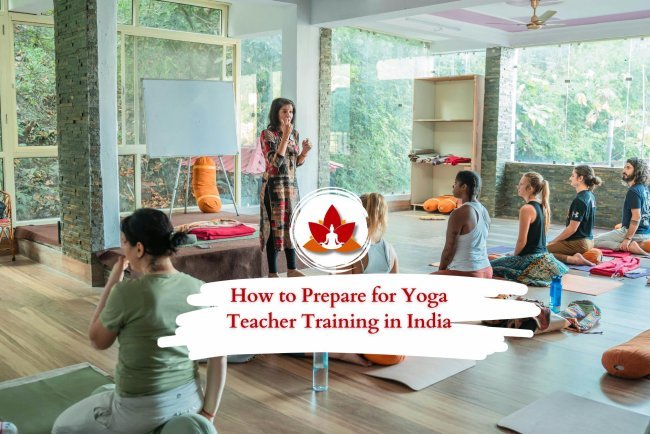
A 200-hour Yoga Teacher Training typically runs as:
-
Intensive residential immersion (3–4 weeks)
-
Part-time weekend programs (6–12 months)
-
Online or hybrid yoga certification courses
In reality, Yoga Teacher Training is less about teaching yoga and more about learning how to live yoga — integrating physical practice, philosophy, breathwork, and self-development into everyday life.
5 Real Reasons People Do Yoga Teacher Training
1. The Existential Crisis They Can't Name at Work
You've checked all the boxes society handed you. The degree, the job, the relationship, maybe even the house and the 401k. And yet there's this gnawing feeling that won't shut up—like you're living someone else's life in your own body.
You can't exactly tell your boss you're having an existential crisis. You can't announce at Sunday brunch that you feel fundamentally disconnected from yourself. But you can say you're doing yoga teacher training. That sounds productive. Legitimate. Maybe even career-enhancing.
Many arrive at this threshold after years of feeling fragmented. They've succeeded by conventional metrics but sense something fundamental missing. Yoga teacher training becomes a socially acceptable form of pilgrimage—a way to pause the relentless forward march and ask "who am I beneath all these roles?"
2. Permission to Completely Transform
There's something about committing to 200+ hours that grants permission to shed an old skin. It's not just learning to teach; it's declaring "I'm allowed to change completely."
People trapped in identities they've outgrown—the lawyer, the corporate manager, the dutiful daughter—use this training as a socially legitimate escape hatch. The intensive nature creates a container where transformation feels inevitable rather than self-indulgent.
That corporate job that's slowly killing your soul? The identity you've outgrown but don't know how to shed? You can't just blow it all up without looking reckless or unstable. But yoga teacher training? That's respectable transformation.
3. The Body Finally Gets to Speak
After decades of living entirely in your heads, people discover their bodies hold wisdom their minds have suppressed. That hip that won't open? It's storing the grief they never processed. The trembling in warrior pose? It's rage they were taught to swallow.
Yoga teacher training offers systematic permission to listen to what you've been ignoring, with a framework that makes it feel safe and purposeful rather than self-absorbed. One day in pigeon pose, your hip finally opens and you sob for twenty minutes and have no idea why. That's not about flexibility. That's about finally listening to what you've been storing in your tissues.
4. Community and Belonging
Modern life is isolating despite being constantly connected. Yoga teacher training creates instant community—20-30 people going through the same intense experience simultaneously. You're vulnerable together, growing together, witnessing each other's breakthroughs and breakdowns.
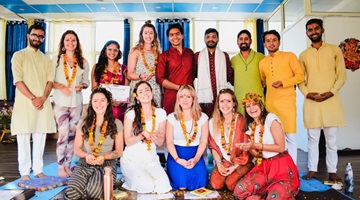
Many trainees report that the relationships formed during YTT become some of the most meaningful friendships of their lives. There's something about shared ordeal that creates unbreakable bonds.
5. Deepening Personal Practice
Some people genuinely want to deepen their understanding of yoga—not to teach, but for themselves. They want to understand the philosophy behind the poses, learn proper alignment to prevent injury, and develop a home practice that goes beyond following YouTube videos.
YTT provides structure and depth that drop-in classes simply can't offer. You learn the "why" behind the practice, not just the "how."
Why Rishikesh for Yoga Teacher Training?
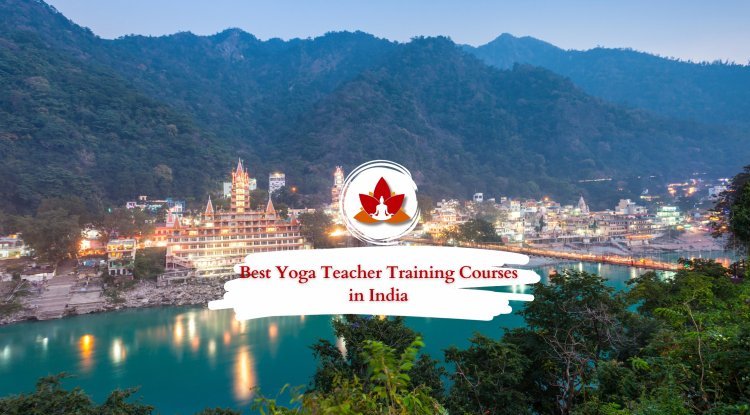
And then there's the question within the question: why do so many end up in Rishikesh, India specifically? The numbers are staggering—thousands of international students flock to this small Himalayan town every year for yoga teacher training.
The Geography of the Sacred
You don't just want to learn yoga. You want to feel it in your bones as something ancient and real. Rishikesh offers topography that mirrors your internal landscape—the Ganges cutting through stone, the Himalayas looming at dawn, temple bells echoing through valleys.
It's not really India you're seeking. It's a place where the sacred still feels woven into daily life, not compartmentalized into Sunday services or squeezed between SoulCycle and brunch. Western cities can teach you the poses. But they can't give you that moment at sunrise when the river mist rises and you realize you're standing where people have sought truth for thousands of years.
Learning from the Source
Here's the uncomfortable truth you don't say out loud: you worry about appropriating a practice that isn't yours. Learning in Rishikesh soothes that discomfort. It lets you tell yourself—and others—that you've done it "right." Learned from the source. Earned your place.
Rishikesh is recognized as the birthplace of yoga, where ancient rishis (sages) meditated and developed yogic practices thousands of years ago. Training here connects you to unbroken lineages stretching back millennia. You're not just another privileged Westerner commodifying Eastern wisdom—you went to the birthplace. You paid your respects.
Complete Immersion and Context Collapse
Rishikesh forces total disruption. You can't maintain your old patterns when everything—food, language, climate, social norms—is foreign. This disorientation is precisely what people crave but can't articulate. You need your default programming interrupted so thoroughly that new operating systems can install.
At home, even at the best yoga studio, you'd still be your old self. You'd still have your phone, your routines, your ways of avoiding what needs to be felt. In Rishikesh, none of your usual escape routes work. Your familiar ways of being simply don't function. You have no choice but to become someone new.
Authentic Teachers and Lineage
Beneath everything, many are spiritually orphaned—raised in traditions that don't resonate anymore, yet aching for guidance. Indian teachers in Rishikesh represent unbroken lineages, elders who haven't forgotten the old ways, who take the soul seriously, who view consciousness as the ground of being rather than an evolutionary accident.
Students can learn from teachers whose families have practiced and taught yoga for generations, offering authenticity that's difficult to find elsewhere.
Meaningful Challenge
Here's something strange: people are seeking hardship. Cold showers at 5 AM. Simple dal and rice. Physical exhaustion. The shock of seeing real poverty alongside spiritual seeking.
This voluntary difficulty feels redemptive—like you're finally paying a price that matches what you're receiving. People from wealthy nations are experience-starved. You have comfort but no discomfort that means something. Rishikesh offers manufactured difficulty that your soul recognizes as necessary.
Cost-Effective Training
Practically speaking, yoga teacher training in Rishikesh costs significantly less than Western programs—typically $1,000-$2,500 for a month-long intensive including accommodation and meals, compared to $3,000-$7,000+ in the US or Europe for the same certification.
What Actually Happens During Yoga Teacher Training
Let's get practical. Here's what a typical day looks like during intensive YTT in Rishikesh:
5:30-6:00 AM: Wake up, optional karma yoga (service)
6:00-7:30 AM: Morning asana practice
7:30-9:00 AM: Breakfast and break
9:00-11:00 AM: Philosophy, anatomy, or teaching methodology lecture
11:00-12:30 PM: Pranayama and meditation
12:30-2:00 PM: Lunch and rest
2:00-4:00 PM: Alignment workshops or teaching practice
4:00-6:00 PM: Evening asana or specialized workshops
6:00-7:00 PM: Dinner
7:00-8:30 PM: Meditation, chanting, or self-study
Beyond the Schedule:
You'll study the Yoga Sutras of Patanjali, learn Sanskrit terminology, understand the chakra system, master adjustments and modifications, practice teaching in front of peers (nerve-wracking but essential), complete written exams and practical teaching assessments, and likely experience emotional breakthroughs you didn't see coming.
The physical practice becomes more challenging than you expect. Teaching practice reveals insecurities you didn't know you had. Philosophy classes answer questions you didn't know how to ask.
Benefits of Yoga Teacher Training (Even If You Never Teach)
Personal Transformation
-
Deeper self-awareness and emotional processing
-
Breaking old patterns and establishing new ones
-
Confidence that comes from completing something difficult
Physical Benefits
-
Improved flexibility, strength, and body awareness
-
Understanding proper alignment to prevent injury
-
Developing a sustainable home practice
Mental and Emotional Wellness
-
Stress reduction and anxiety management techniques
-
Meditation skills that actually work
-
Tools for emotional regulation
Professional Skills (Even Outside Yoga)
-
Public speaking and presentation abilities
-
Creating safe, inclusive spaces for others
-
Leadership and group facilitation
Community and Connection
-
Lifelong friendships with like-minded people
-
Global network of yoga practitioners
-
Sense of belonging to something larger
Career Flexibility
-
Option to teach yoga part-time or full-time
-
Retreat leading or private instruction opportunities
-
Corporate yoga or specialized populations (prenatal, seniors, trauma-informed)
Is Yoga Teacher Training Right for You?
You Might Be Ready If:
You've been practicing yoga consistently for at least 6-12 months (though some programs accept beginners), you feel called to deepen your practice beyond drop-in classes, you're willing to be physically and emotionally challenged, you have the time and financial resources to commit, and you're open to transformation even if it's uncomfortable.
You Might Want to Wait If:
You're dealing with acute mental health crisis (seek professional support first), you're only doing it because someone else thinks you should, you expect it to solve all your problems without personal work, or you're not prepared for the physical demands of 4-6 hours of daily practice.
Common Concerns Addressed:
"I'm not flexible enough": Flexibility is developed through practice, not a prerequisite. Teacher training will improve your flexibility.
"I'm not spiritual enough": There's no spirituality requirement. Come with curiosity and openness.
"I don't want to teach": Completely fine. Many do YTT purely for personal growth.
"I'm too old/young": Most programs welcome students from 18 to 70+. Age is rarely a barrier.
"I can't afford it": Consider programs in India or Southeast Asia, look for work-study options, or explore payment plans.
Making Your Decision
Here's what I learned: yoga teacher training doesn't give you answers. It gives you permission to ask better questions. It creates space for whoever you're becoming to emerge. It teaches you that the discomfort of transformation is different from the discomfort of staying where you've outgrown.
We're living through a collective spiritual emergency that modern culture has no vocabulary for. Success feels empty. Achievement feels hollow. We're connected to everything and intimate with nothing.
Yoga teacher training—especially in Rishikesh—has become the last socially acceptable form of vision quest. The place where educated, skeptical people can seek what they're actually craving: an initiatory experience modern life no longer provides.
Ordeal. Transformation. Return.
You're not really seeking yoga teacher training. You're seeking the experience of being unmade and remade. Of proving to yourself that you can endure and emerge changed. Of finally feeling like you've earned something real through struggle that matters.
You didn't come here to learn to teach downward dog. You came here because something in you is ready to break open, and you need a structure—a geography, a lineage, a difficulty—to catch you when it does.
So go ahead. Sign up for that training you've been researching for months. Tell people you're becoming a yoga teacher if it makes them feel better. But know the truth: you're becoming yourself. Finally. Messily. Necessarily.
The mat is just where you'll do it.
Still sitting there at 2 AM? Stop researching and start trusting. That pull you're feeling? It knows something your logical mind hasn't caught up to yet. Listen to it.
Frequently Asked Questions
What's Your Reaction?