How to Stretch Your Lower Back Safely and Effectively
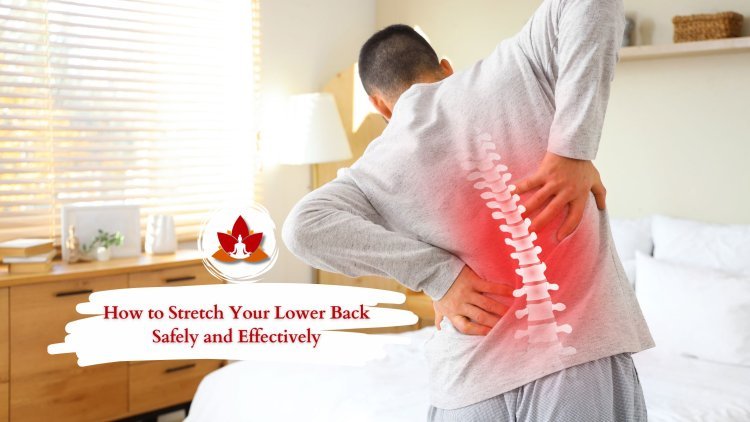
Lower back pain is one of the most common musculoskeletal concerns worldwide, affecting people of all ages. It can develop due to various factors, including poor posture, prolonged sitting, repetitive movements, muscle strain, or lack of mobility. In some cases, lower back pain may also be linked to underlying medical conditions such as kidney stones or acute pancreatitis, which require medical attention.
For many individuals, however, lower back discomfort is closely related to muscle tightness, inflammation, or reduced flexibility caused by a sedentary lifestyle. Targeted stretching exercises can help relieve tension in surrounding muscles, improve spinal mobility, and support overall lower back health.
While stretching is not a universal cure for every type of lower back pain, it can significantly ease discomfort in many cases when performed consistently and correctly. Below, you’ll find some of the most effective stretches that may help reduce lower back pain and improve flexibility.
The Art of Stretching to Relieve Back Pain
The spine is a complex structure made up of vertebrae, intervertebral discs, ligaments, and joints — all supported and stabilized by surrounding muscles. When key muscle groups such as the hamstrings, glutes, hip flexors, and lower back muscles become tight or weak, they can alter pelvic alignment. This imbalance places uneven stress on the lumbar spine, often contributing to lower back pain.
Targeted stretching can play an important role in restoring balance and supporting spinal health.
How Stretching Helps Relieve Lower Back Pain
1. Reduces Muscle Tension
Stretching gently lengthens tight muscles, decreasing excessive pulling on the spine. When surrounding muscles relax, pressure on the lower back reduces, helping alleviate discomfort.
2. Improves Blood Circulation
Movement increases blood flow to muscles and soft tissues. Better circulation enhances the delivery of oxygen and nutrients to irritated or injured areas, supporting natural healing and recovery.
3. Restores Mobility and Flexibility
Regular stretching maintains joint range of motion and prevents stiffness. Flexible muscles and mobile joints reduce the risk of strain, imbalance, and future injury.
4. Supports Better Posture
Balanced muscle flexibility helps maintain proper pelvic alignment and spinal posture, reducing chronic stress on the lower back.
Which Stretches Are Good for Your Lower Back?
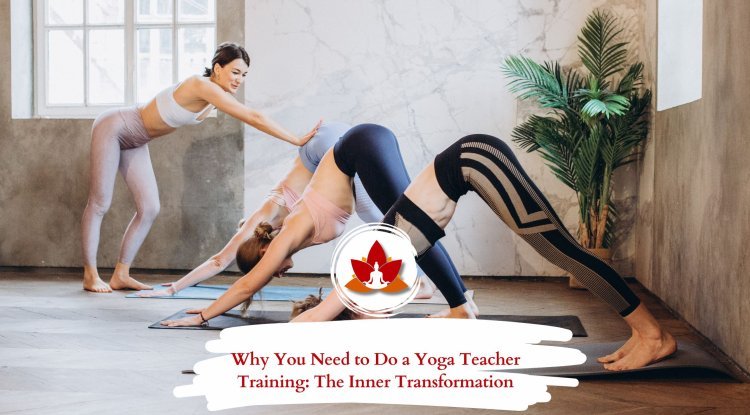
Certain yoga poses and gentle stretches can help relieve lower back pain by reducing muscle tension and improving flexibility. Popular options like Child’s Pose, Pelvic Tilts, and Cat-Cow are commonly recommended to ease tight lower back muscles and restore spinal mobility.
Before starting any new exercise routine, especially if you’re experiencing pain from a recent injury or medical condition, consult a healthcare professional. The National Institute of Neurological Disorders and Stroke (NINDS) recommends avoiding sudden or jarring movements and instead focusing on low-impact exercises that strengthen the back and core muscles.
You may perform these stretches once or twice daily. However, if your lower back pain worsens or becomes sharp and severe, take a break and seek professional advice.
As you practice:
-
Move within your limits
-
Avoid overexertion
-
Breathe slowly and deeply
-
Use your breath as a guide
-
Never force a stretch
Relaxation and mindful breathing are just as important as the stretch itself.
1. Child’s Pose (Balasana)
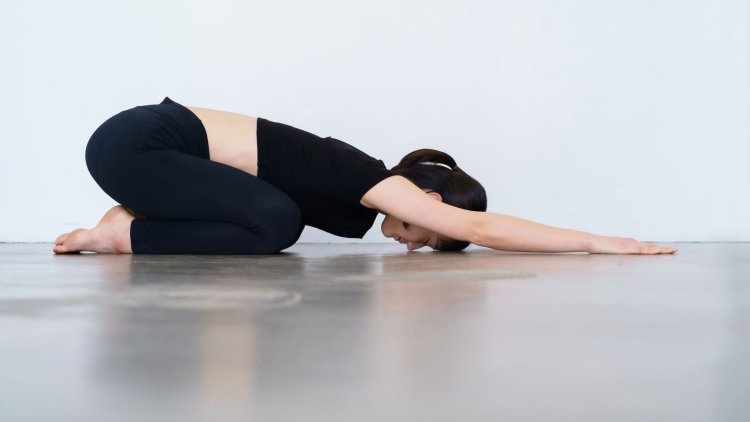
A classic yoga posture that gently stretches the spine, glutes, and lower back muscles while promoting relaxation.
Benefits:
-
Relieves tension along the spine
-
Opens hips and shoulders
-
Improves spinal flexibility
How to Do It:
-
Begin on hands and knees.
-
Sit back onto your heels.
-
Fold forward, extending your arms in front.
-
Rest your forehead on the floor.
-
Breathe deeply and hold for up to 1 minute.
Repeat between other stretches if desired.
Modifications:
-
Place a rolled towel under thighs for support.
-
Widen knees and rest forehead on a cushion.
2. Knee-to-Chest Stretch
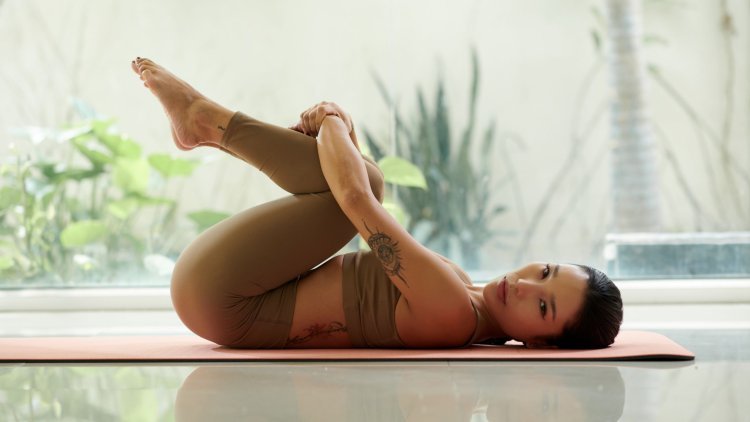
This stretch gently loosens the lower back, hips, and glutes.
How to Do It:
-
Lie on your back with knees bent and feet flat.
-
Bring one knee toward your chest.
-
Hold behind the thigh or shin.
-
Keep hips grounded and spine long.
-
Hold 30–60 seconds.
-
Repeat on the other side.
Modifications:
-
Support head with a cushion.
-
Use a towel behind thigh if needed.
3. Piriformis Stretch

Targets the deep glute muscle (piriformis), which can contribute to lower back discomfort.
How to Do It:
-
Lie on your back, knees bent.
-
Cross right ankle over left thigh.
-
Pull left thigh toward chest.
-
Hold 30–60 seconds.
-
Switch sides.
Modifications:
-
Keep bottom foot grounded for less intensity.
-
Rest head on cushion.
4. Seated Spinal Twist
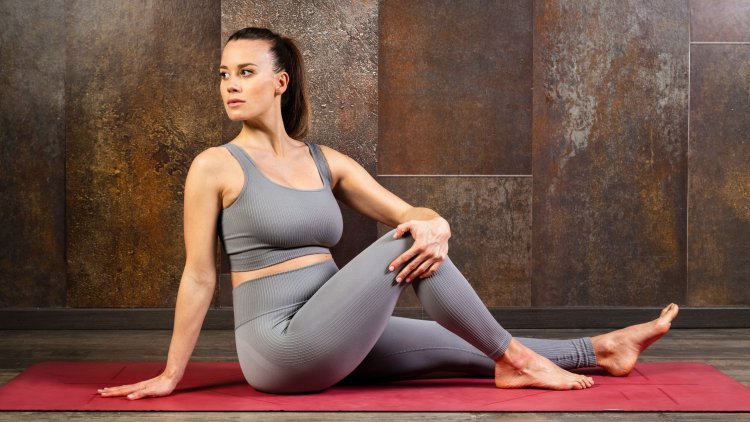
Improves spinal mobility and stretches hips, shoulders, and back.
How to Do It:
-
Sit with legs extended.
-
Bend left knee and place foot outside right thigh.
-
Place right arm over left thigh.
-
Twist gently toward left.
-
Hold up to 1 minute.
-
Repeat on opposite side.
Modifications:
-
Keep bottom leg straight for comfort.
-
Add gentle neck rotation for deeper release.
5. Pelvic Tilt
Strengthens abdominal muscles and reduces lower back strain.
How to Do It:
-
Lie on your back, knees bent.
-
Flatten your lower back against the floor by tightening abs.
-
Hold 5–10 seconds.
-
Release and repeat 3–5 times.
Perform 1–3 sets.
6. Cat-Cow Stretch
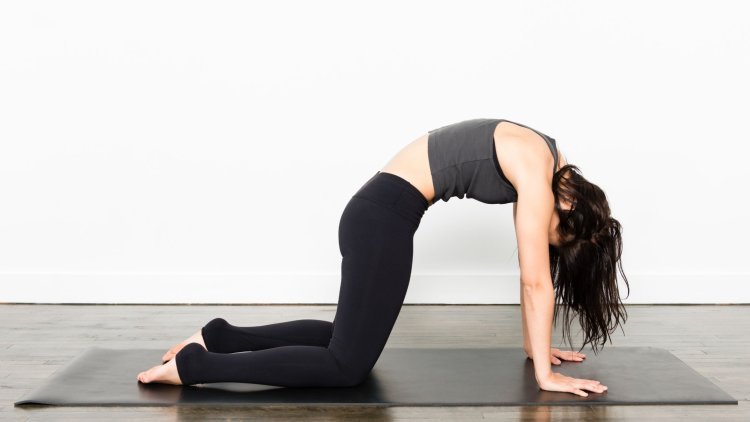
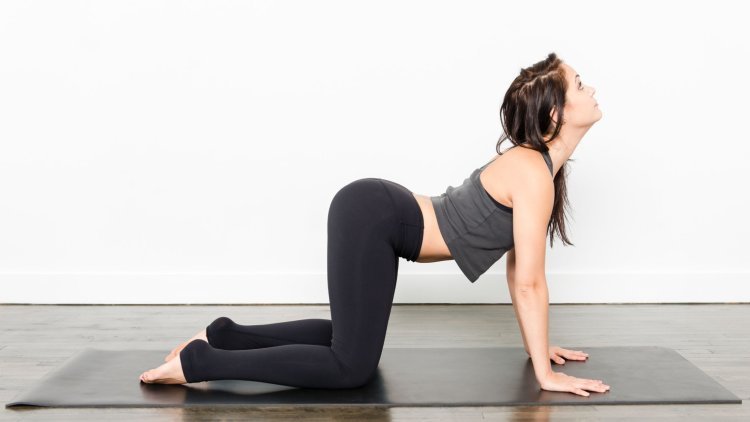
An excellent dynamic movement to mobilize the spine and warm up back muscles.
How to Do It:
-
Begin on hands and knees (tabletop).
-
Inhale: Drop belly, lift chest (Cow).
-
Exhale: Round back, tuck chin (Cat).
-
Continue for 1–2 minutes.
Modifications:
-
Place padding under knees.
-
Move hands slightly forward if wrists feel strained.
-
Hold each position 5–20 seconds for deeper stretch.
When to Avoid Stretching
Avoid stretching if you experience:
-
Sharp or radiating pain
-
Numbness or tingling down the leg
-
Recent injury
-
Fever or unexplained pain
Consult a doctor if symptoms persist.
Beyond Stretching: Building Core Strength for Long-Term Back Health
While stretching can provide short-term relief from lower back pain, long-term spinal stability depends heavily on core strength. The core includes the abdominal muscles, lower back muscles, and glutes, all of which work together to support the spine. A strong core acts like a natural brace, reducing strain on the lumbar spine and helping prevent recurring back pain.
Core Exercises That Support the Lower Back
1. Glute Bridges
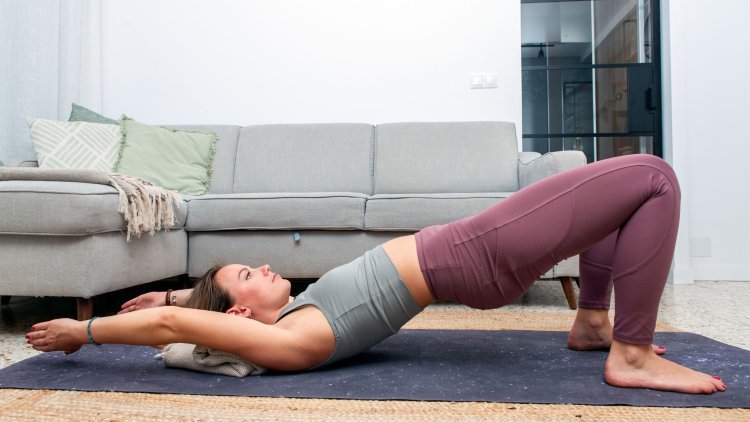
This exercise strengthens the glutes and stabilizes the pelvis, which helps reduce pressure on the lower back.
How to Perform:
-
Lie on your back with knees bent and feet flat on the floor.
-
Engage your glutes and lift your hips upward.
-
Raise your body until it forms a straight line from shoulders to knees.
-
Hold for 2–3 seconds.
-
Lower slowly and repeat 10–15 times.
2. Bird-Dog
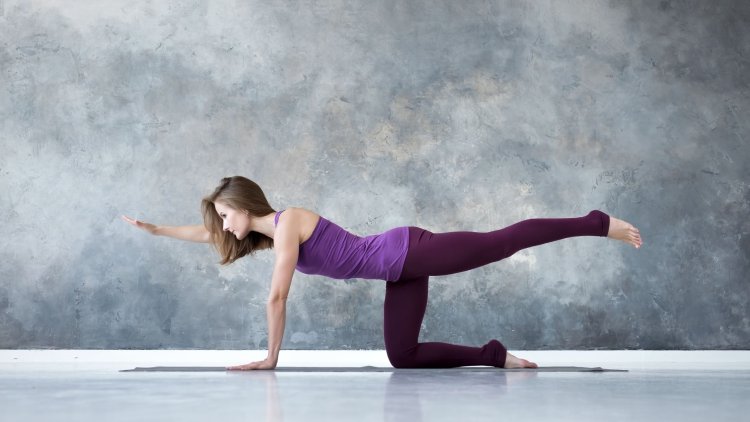
Bird-Dog improves balance, coordination, and core stability while strengthening the back muscles.
How to Perform:
-
Start on all fours (hands under shoulders, knees under hips).
-
Extend your right arm forward and left leg backward.
-
Keep your spine neutral and hips level.
-
Hold for 5–15 seconds.
-
Return to center and switch sides.
Repeat 8–12 times per side.
Safety and Precautions
Not all exercises are appropriate during acute back pain. Pay attention to warning signs and move mindfully.
Avoid High-Impact Movements
Running, jumping, or heavy lifting may aggravate lower back pain when symptoms are active.
Stop If Pain Is Sharp or Radiating
Sharp, shooting pain or numbness may indicate nerve involvement. Discontinue exercise and seek medical advice.
Be Cautious with Certain Movements
Traditional sit-ups or deep standing toe touches can increase pressure on spinal discs and may worsen conditions like disc herniation.
Warm Up First
Light movement such as walking or marching in place for 3–5 minutes prepares muscles and reduces injury risk before stretching or strengthening.
Healthy Back Habits for Daily Life
Exercise alone is not enough — daily habits play a crucial role in spinal health.
Lift Smart
Bend at your knees and hips, not your waist. Keep objects close to your body and lift using your legs.
Improve Your Workspace Ergonomics
-
Keep your computer monitor at eye level.
-
Use a chair that supports the natural curve of your lower back.
-
Avoid prolonged sitting without breaks.
Optimize Your Sleep Position
-
When sleeping on your back, place a pillow under your knees.
-
When sleeping on your side, place a pillow between your knees to maintain spinal alignment.
Maintain a Healthy Weight
Excess weight, particularly around the abdomen, increases strain on the lower back by shifting the body’s center of gravity.
Avoid Smoking
Smoking reduces blood flow to spinal discs and may accelerate degeneration.
The Bottom Line
The lower back does so much, such as walking and running as well as rising in bed in the morning. Stretching is one of the best methods to achieve and preserve flexibility, reduce tension, and assist in gaining strength.
Frequently Asked Questions
What's Your Reaction?