How Much Does a 200-Hour Yoga Teacher Training Cost in Rishikesh? (2026 Complete Price & Expense Guide)

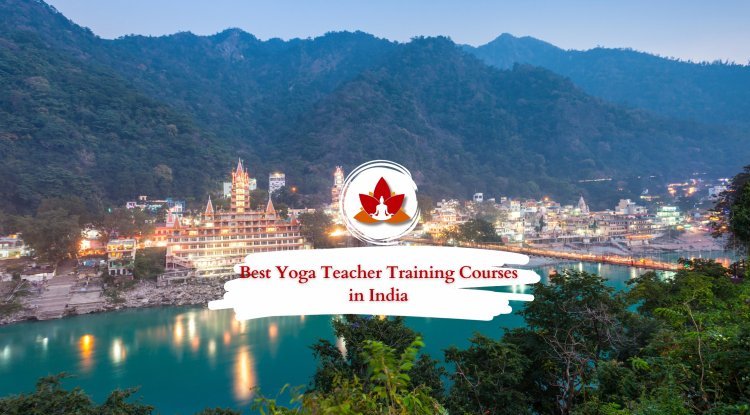
Traveling to India for a residential 200-hour yoga teacher training is a life-altering investment in personal practice and professional teaching credentials. Set in the foothills of the Himalayas along the sacred banks of the River Ganga, Rishikesh is revered globally as the birthplace and capital of yoga. Every year, thousands of aspirants travel from the United States, the United Kingdom, Canada, Australia, and across Europe to study at the source. However, planning this journey requires realistic financial clarity.
A quick search reveals a staggering range of course prices, ranging from bare-bones backpacker ashrams charging $600 USD to luxury riverside resorts charging upwards of $3,500 USD. For international students unfamiliar with Indian travel economics, knowing what constitutes a fair price, what is legitimately included, and where hidden expenses arise can feel overwhelming. This guide provides an exhaustive, transparent breakdown of every direct and indirect cost associated with completing your 200-Hour Yoga Alliance certification in Rishikesh in 2026.
Key Takeaways & Budget Summary
- Average Course Tuition: Legitimate, accredited 24-to-28-day residential 200-hour courses in Rishikesh average between $950 and $1,400 USD.
- Package Inclusions: A reputable school package covers full Yoga Alliance USA accredited tuition, private or shared en-suite accommodation, three daily Ayurvedic sattvic vegetarian meals, course manuals, and traditional cleansing materials.
- Total Trip Budget: When factoring in round-trip international flights ($600–$1,000 USD), Indian e-Visa ($25–$40 USD), airport transfers ($15–$70 USD), and local pocket money ($150–$250 USD), plan for a total realistic budget of $1,800 to $2,800 USD.
- Quality Red Flags: Avoid schools charging under $750 USD that herd 35 to 50 students into single halls. Optimal learning and safe alignment require cohorts capped at 15 to 20 students.
2026 Price Brackets for Rishikesh Yoga Schools
Yoga schools in Rishikesh generally operate across three price tiers based on facility standards, faculty lineage, and cohort size:
|
Pricing Tier |
Tuition Range (USD) |
What Is Included |
Key Considerations |
|
Budget / Dormitory |
$600 – $850 |
Shared dorm housing (3-4 beds), simple vegetarian meals, group lectures. |
Large classes (30-50 students), limited hot water, apprentice teachers, minimal individual alignment correction. |
|
Mid-Tier (Authentic Ashram) |
$950 – $1,400 |
Twin-shared or private room with en-suite bath, 3 sattvic meals, course books, cleansing kit, Yoga Alliance RYT-200 certificate. |
Best overall value. Capped cohorts (15-20 students), senior Indian master teachers, clean amenities, and balanced discipline. |
|
Luxury / Resort |
$1,800 – $3,500+ |
Boutique hotel amenities, air-conditioned suites, swimming pool, Westernized fusion menu. |
High overhead costs. Often prioritizes spa and resort aesthetics over rigorous traditional yogic immersion. |
At Rishikesh Yogkulam, our residential 200-Hour Yoga Teacher Training in Rishikesh offers transparent, fixed pricing: $999 USD for a twin-shared room and $1,299 USD for a private room. Both options include all tuition, Yoga Alliance certification, 24 days of lodging, three daily sattvic meals, and local weekend excursions, with groups strictly limited to 15 to 20 students.
What Determines the Cost of a Course?
1. Faculty Pedagogy and Experience: The caliber of teachers is the single most critical factor in your training. Established schools employ master teachers holding master's degrees in yogic science and decades of personal sadhana. Inexpensive schools frequently cut costs by hiring recent graduates or apprentice instructors.
2. Student-to-Teacher Ratio: Running an intimate cohort of 15 to 20 students requires maintaining high faculty staffing per student. Commercial schools double or triple student volume in each hall, which lowers the per-student price but severely diminishes personal teaching feedback.
3. Campus Location in Rishikesh: Schools located in peaceful spiritual areas such as Laxman Jhula and Ram Jhula offer immediate proximity to the Ganga River and temple bells, avoiding the heavy traffic, dust, and vehicle noise of central commercial Rishikesh.
4. Quality of Accommodation and Infrastructure: Reliable hot water, comfortable mattresses, clean private bathrooms, soundproofed yoga shalas, and hygienic kitchen facilities represent legitimate operational costs that separate professional schools from budget hostels.
What Does Your Money Pay For? A Typical Ashram Day
A 200-hour YTTC is an intensive, dawn-to-dusk immersion. Tuition covers an extensive daily curriculum that balances physical practice, theoretical philosophy, practical anatomy, and teaching methodology. Here is what a standard training day looks like:
05:30 AM – 06:00 AM: Morning Wake-Up & Herbal Detox Tea
06:00 AM – 07:30 AM: Shatkarma (Cleansing Techniques) & Pranayama (Breathwork)
07:30 AM – 09:00 AM: Traditional Hatha Yoga Practice (Alignment & Asana)
09:00 AM – 10:00 AM: Nutritious Sattvic Breakfast & Rest
10:30 AM – 11:45 AM: Yoga Philosophy (Yoga Sutras of Patanjali, Bhagavad Gita, Yogic Ethics)
12:00 PM – 01:15 PM: Yoga Anatomy & Physiology (Biomechanics, Joint Safety, Injury Prevention)
01:15 PM – 02:30 PM: Ayurvedic Vegetarian Lunch & Free Time
03:00 PM – 04:15 PM: Teaching Methodology & Alignment/Adjustment Clinic
04:30 PM – 06:00 PM: Ashtanga Vinyasa Yoga (Primary Series & Dynamic Flow)
06:15 PM – 07:15 PM: Meditation, Yoga Nidra, or Mantra Chanting
07:30 PM – 08:30 PM: Wholesome Dinner & Community Reflection
08:30 PM – 10:00 PM: Self-Study, Journaling, & Lights Out by 10:00 PM
The Yogic Diet: What Food Is Included?
In traditional yoga education, nutrition is integral to sadhana. Residential tuition covers three sattvic meals prepared fresh daily following Ayurvedic principles. Sattvic food promotes clarity of mind, smooth digestion, and sustained physical vitality throughout long hours of physical asana practice.
- Fresh Ingredients: Meals center around seasonal organic vegetables, whole grains, lentils (dal), wholesome flatbreads (roti), fresh fruits, seeds, and herbal infusions.
- Mindful Preparation: Dishes are prepared with minimal oil and gentle digestive spices like cumin, coriander, turmeric, and ginger, avoiding heavy onion, garlic, or excess chilies.
- Dietary Accommodations: Standard kitchens comfortably support pure vegan, gluten-free, dairy-free, and nut-allergy requirements when notified in advance.
- Water Safety: Reputable schools maintain multi-stage reverse-osmosis (RO) purified drinking water stations throughout the campus, completely eliminating the need to purchase single-use plastic water bottles.
External Travel Expenses to Budget
Outside your school tuition invoice, you will need to fund your international travel, visas, and living incidentals. Here is an honest cost breakdown:
1. Flights to India ($550 – $1,100 USD): Flights into New Delhi (DEL) vary by origin and season. Flights from Europe and the UK typically range from $550 to $800 USD return, while North American flights range from $850 to $1,200 USD. Booking 8 to 12 weeks in advance yields the lowest fares.
2. Indian e-Visa ($25 – $40 USD): International tourists should apply online through the official Government of India portal for an electronic tourist visa (e-Visa). The 30-day tourist e-Visa costs approximately $25 USD depending on nationality, while a 1-year multiple entry visa costs around $40 USD.
3. Delhi to Rishikesh Transit ($15 – $75 USD): Students can take a connecting domestic flight from New Delhi to Dehradun Jolly Grant Airport (DED) for $40–$70 USD, followed by a 40-minute taxi ($18 USD). Alternatively, the express Vande Bharat or Shatabdi train from New Delhi Railway Station to Haridwar costs roughly $15 USD for an executive AC chair car.
4. Travel Medical Insurance ($40 – $90 USD): Comprehensive international travel insurance covering medical care, trip interruption, and baggage loss is strongly recommended for any overseas training.
5. Local Sim Card & Data ($5 – $10 USD): An Indian eSIM or physical SIM card (Airtel or Jio) purchased at Delhi airport provides 1.5GB to 2GB of high-speed 5G data per day for an entire month for under $8 USD.
Season-by-Season Budgeting in Rishikesh
Weather in the Himalayan foothills heavily impacts your travel experience and living expenses:
- October to November (Peak Autumn): Clear blue skies, pleasant temperatures (20°C–28°C), and optimal river conditions. Airfares and flight connections book out early, making early registration essential.
- December to January (Winter): Crisp, cold mornings and evenings (8°C–14°C) with warm afternoon sunshine. Warm layers and heating options in your room are advisable.
- February to April (Peak Spring): The most popular season for international yogis. Mild weather, blooming mountain flora, and the annual International Yoga Festival. Prices across cafes and private transport are at their standard rates.
- May to June (Summer): Warm and sunny (32°C–38°C). Air-conditioned private rooms become an important comfort upgrade during afternoon lecture hours.
- July to September (Monsoon): Lush, mystical green mountains with regular rains. Often features special off-season promotions and quieter ashram grounds.
Packing List: What to Bring vs. What to Buy in Rishikesh
Over-packing adds unnecessary luggage weight. Rishikesh has a flourishing market for spiritual goods and yoga supplies:
Bring From Home: High-quality durable personal yoga mat, personal prescription medicines, electrolytes, comfortable walking sandals, travel adapter plug (Type D/C/M for India), and a durable water bottle.
Buy Inexpensively in Rishikesh: Loose cotton harem pants, white meditation attire, shawls, organic herbal toiletries, Ayurvedic skincare, essential oils, and sacred books can all be purchased locally at a fraction of Western prices.
Total Trip Expense Worksheet (All-Inclusive Estimate)
|
Expense Category |
Estimated Cost (Twin Shared) |
Estimated Cost (Private Room) |
|
Course Tuition & 24-Day Lodging & Meals |
$999 USD |
$1,299 USD |
|
Return International Flight |
$750 USD |
$750 USD |
|
Indian Tourist e-Visa |
$35 USD |
$35 USD |
|
Airport Taxi Transfers (Return) |
$70 USD |
$70 USD |
|
Travel Insurance |
$60 USD |
$60 USD |
|
Personal Spending (Cafes, Laundry, Gifts) |
$150 USD |
$150 USD |
Estimated Grand Total: ~$2,064 USD (Shared) | ~$2,364 USD (Private Room)
How to Spot Quality and Avoid Certification Mills
When comparing schools, evaluating marketing claims against reality prevents disappointment:
Transparent Pricing: Legitimate schools clearly post total prices including room, food, and certification fees without springing surprise administrative charges upon arrival.
Accreditation Verification: Check Yoga Alliance USA's registry directory directly to ensure the school is a verified Registered Yoga School (RYS) in good standing.
Student Review History: Examine video testimonials and authentic Google reviews that describe teacher guidance, curriculum clarity, and life post-graduation.
Curricular Breadth & Progression: Schools offering continued study, including an advanced 300-Hour Yoga Teacher Training and specialized Prenatal Yoga Certification, demonstrate long-term educational depth.
Reserve Your Space at Rishikesh Yogkulam
Choosing where to study yoga in India is an empowering step on your spiritual and professional path. At Rishikesh Yogkulam, our mission is to provide an authentic, traditional yogic education that honors classical lineage while remaining completely transparent, accessible, and grounded in personal care.
To explore our upcoming monthly schedules, curriculum modules, and reserve your place, visit our official 200-Hour Yoga Teacher Training Course in Rishikesh. We look forward to welcoming you into our yoga family.
What's Your Reaction?