How to Become a Prenatal Yoga Teacher (Step-by-Step Guide)
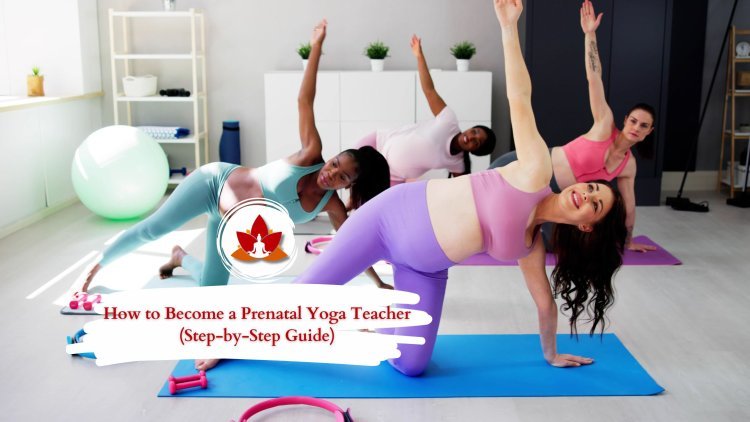
Are you searching for a purpose-driven career that creates a meaningful impact—both in your life and in the lives of others?
Becoming a prenatal yoga teacher is a deeply rewarding path. It allows you to support expectant mothers through the profound physical, emotional, and psychological changes of pregnancy and childbirth. With the right knowledge and compassionate guidance, you can help women move through this sacred phase with strength, confidence, and calm.
To teach prenatal yoga safely, responsibly, and effectively, proper certification is essential. This guide walks you through the step-by-step journey to becoming a qualified prenatal yoga teacher, empowering you with the skills, understanding, and credibility needed to make a real difference in maternal wellness.
Step 1: Foundational Yoga Teacher Training (200-Hour RYT)
The journey to becoming a certified prenatal yoga teacher typically begins with a strong foundation in general yoga education. Most reputable yoga schools and internationally recognized organizations—such as Yoga Alliance—require a 200 hour Registered Yoga Teacher (RYT 200) certification before you can pursue a prenatal specialization.
This foundational training ensures that you understand yoga not only as a physical practice, but as a holistic system that integrates body, breath, and mind.
What Does a 200-Hour RYT Program Include?
A comprehensive RYT 200 course equips you with essential knowledge and teaching skills, including:
-
Asanas (Postures) & Alignment
Learn correct posture execution, alignment principles, and safe movement patterns. -
Pranayama (Breathwork)
Study a variety of breathing techniques and their physiological and energetic effects. -
Meditation & Mindfulness
Develop the ability to guide relaxation, concentration, and stress-relief practices. -
Anatomy & Physiology
Gain a foundational understanding of the human body, movement mechanics, and bodily systems. -
Teaching Methodology & Ethics
Learn how to structure classes, communicate effectively, support diverse students, and uphold professional ethics.
While some prenatal yoga programs may accept students without a 200-hour certification—especially those with medical or birth-related backgrounds such as midwives or doulas—having an RYT 200 qualification provides a well-rounded, confident foundation. It ensures you deeply understand yoga’s fundamentals before addressing the specialized and sensitive needs of pregnant women.
This step builds the confidence, credibility, and competence required to move forward safely into prenatal yoga training.
Step 2: Pursue Specialized Registered Prenatal Yoga Teacher Training (RPYT)
Once you have built a strong foundation in yoga, the next essential step is to specialize in prenatal yoga. This involves enrolling in a Registered Prenatal Yoga Teacher (RPYT) training program—typically 85 to 100 hours in duration—designed exclusively to address the needs of pregnant and postpartum students.
It is crucial to choose a program that is properly accredited, such as one registered with Yoga Alliance. Accreditation ensures that the training meets established professional standards and significantly enhances your credibility and employability as a prenatal yoga teacher.
What Does an RPYT Program Cover?
A well-structured RPYT curriculum usually includes the following core subjects:
-
Physiological Anatomy of Pregnancy
Understanding hormonal and structural changes, fetal development, and common pregnancy-related conditions. -
Safe Sequencing & Trimester-Based Modifications
Learning how to adapt asanas for each trimester, recognize contraindications, and use props to support the changing pregnant body. -
Breathing, Relaxation & Visualization Techniques
Exploring specific pranayama, meditation, and relaxation practices that support emotional balance, labor preparation, and nervous system regulation. -
Childbirth Education
Gaining insight into the stages of labor and how yoga can assist physically, mentally, and emotionally during childbirth. -
Postpartum Recovery & Rehabilitation
Understanding the postpartum period, including challenges such as fatigue and emotional changes, along with safe practices for core and pelvic floor recovery. -
Teaching Methodology & Ethics
Learning how to assess students, identify risk factors, and create a safe, inclusive, and trauma-informed learning environment.
RPYT programs are available in online, residential, and hybrid formats, allowing flexibility for different lifestyles and locations. Fees may vary depending on the depth of training, faculty expertise, and whether the program is conducted online or in person.
This step equips you with specialized knowledge, confidence, and sensitivity, enabling you to teach prenatal yoga safely while offering meaningful support to mothers during one of the most transformative phases of life.
Step 3: Acquire Practical Experience/Log Hours
While certification provides essential theoretical knowledge, hands-on teaching experience is equally vital. Real-world practice allows you to translate what you’ve learned into confident, compassionate instruction. Reputable certifying bodies such as Yoga Alliance place strong emphasis on practical teaching hours as part of the certification process.
How to Build Practical Experience
-
Supervised Teaching Practice
Most prenatal yoga trainings include guided teaching sessions, where you practice instructing fellow trainees or real expectant mothers under expert supervision. This helps you develop confidence, clarity, and sensitivity in real classroom settings. -
Observe Experienced Prenatal Yoga Teachers
Watching seasoned instructors is invaluable. You’ll gain insights into class sequencing, communication, safety cues, emotional support, and effective class management—skills that only experience can teach. -
Log Required Teaching Hours
To register as an RPYT with Yoga Alliance, you must: -
Complete an 85-hour RPYT training from a Registered Prenatal Yoga School (RPYS)
-
Teach at least 30 hours of prenatal yoga
-
Log these hours after completing your formal training
This step is where your learning truly comes alive. By teaching, observing, and reflecting, you develop the confidence, competence, and compassion needed to support pregnant students safely and meaningfully.
Step 4: Obtain Insurance and Meet Legal Requirements
Before you begin teaching prenatal yoga, it is essential to have the proper legal and insurance protections in place. While yoga teaching may not be regulated by a single governing authority in many countries, both studios and private clients generally expect instructors—especially prenatal teachers—to be fully insured and professionally prepared.
Why Insurance Matters
-
Professional Liability Insurance
This is a critical requirement for all yoga teachers, and even more so when working with pregnant women. Prenatal yoga involves specific physical and medical considerations, and liability insurance protects both you and your students in the event of unforeseen incidents. -
Credibility & Professional Trust
Being insured demonstrates responsibility and professionalism, making studios, healthcare professionals, and expectant mothers more confident in working with you. -
Local Legal Compliance
Depending on your country or region, you may also need to meet additional legal requirements, such as business registration or local permits—especially if you plan to teach independently or run private classes.
Taking the time to secure proper insurance and understand your legal obligations ensures that you can teach with confidence, integrity, and peace of mind, while offering a safe and supportive environment for your prenatal students.
Step 5: Launch Your Career and Specialize Further
Once you have completed your certification and secured proper insurance, you are ready to step confidently into your role as a prenatal yoga teacher. This stage marks the transition from training to real-world teaching—and offers multiple pathways to shape your career based on your goals and lifestyle.
Career Pathways You Can Explore
-
Teach at Yoga Studios or Fitness Centers
Many yoga studios, wellness centers, and gyms hire certified prenatal yoga instructors either as independent contractors or in-house teachers. This option provides steady teaching opportunities and exposure to a wider student base. -
Teach Independently
You may choose to offer private or small-group sessions, teach from a rented studio space, host home visits, or create a mobile prenatal yoga setup tailored to individual client needs. This route allows for greater flexibility and personalized care. -
Offer Online Prenatal Yoga Classes
Online teaching opens your work to a global audience. You can create pre-recorded courses, lead live-streamed classes, or combine both. This option is ideal for reaching expectant mothers who may not have access to in-person prenatal yoga in their area.
Continue Learning & Expanding Your Expertise
As your career grows, consider deepening your impact by pursuing advanced education in areas such as postpartum recovery, pelvic floor health, yoga therapy, or childbirth education. Ongoing learning not only enhances your skills but also builds trust and long-term success in this specialized field.
Launching your prenatal yoga career is not just about teaching classes—it’s about supporting life, fostering confidence, and walking alongside mothers during one of the most transformative journeys they will ever experience.
Conclusion
To build a truly successful and sustainable career as a prenatal yoga teacher, it is wise to collaborate with medical professionals, midwives, doulas, and childbirth educators who can offer trusted referrals. Equally important is continuous learning. Advancing your education through workshops or further specializations—such as postnatal yoga, pelvic floor recovery, or mommy-and-me classes—will allow you to serve mothers more holistically and confidently.
If you are unsure where to begin or how to move forward, a powerful next step is enrolling in a Yoga Alliance–certified Prenatal Yoga Teacher Training at Rishikesh Yogkulam. This immersive program offers deep insight into the science and philosophy of prenatal yoga, while equipping you with practical teaching skills, professional confidence, and global credibility.
With the right guidance and education, you won’t just become a prenatal yoga teacher—you’ll become a compassionate guide, ready to support mothers around the world through one of the most transformative journeys of their lives.
Frequently Asked Questions
What's Your Reaction?