Prenatal Yoga Anatomy: Essential Guide for Safe Pregnancy Practice

Pregnancy is a transformative journey filled with remarkable changes—some expected, some surprising, and some that become truly noticeable only when you step onto your yoga mat. Muscles stretch, joints soften, breathing patterns shift, and your sense of balance feels entirely different. That’s why prenatal yoga is far more than simply modifying a few postures—it’s about understanding prenatal yoga anatomy and how the pregnant body evolves from within.
When you become aware of the anatomy behind these changes, prenatal yoga tran0sforms into a safer, more comfortable, and deeply empowering experience. Whether you’re an expecting mother or a yoga teacher guiding pregnant students, this guide will help you understand what’s happening inside the body and how to adjust the practice with confidence, compassion, and care.
Before beginning any prenatal yoga practice, it’s important to explore the potential benefits, understand what a typical class looks like, and learn key safety considerations to ensure a supportive and nurturing journey throughout pregnancy.
What are the benefits of prenatal yoga?
Prenatal yoga, like many childbirth-preparation programs, offers a multidimensional approach to wellness that blends gentle stretching, mindful movement, breath awareness, and emotional grounding. Research shows that prenatal yoga is safe for most expecting mothers and provides numerous benefits for both parent and baby.
Prenatal yoga can help you:
-
Sleep better by calming the mind and relaxing the nervous system
-
Reduce stress and anxiety through conscious breathing and mindfulness
-
Build strength, flexibility, and endurance—especially in muscles essential for labor and birth
-
Relieve common pregnancy discomforts such as lower back pain, nausea, headaches, and shortness of breath
-
Create meaningful connections with other pregnant women, fostering emotional support and a sense of community
-
Prepare mentally and emotionally for the challenges and changes of becoming a new parent
Prenatal yoga is not just a physical practice—it is a powerful way to support the body, balance the emotions, and nurture the growing bond between you and your baby.
Understanding Prenatal Anatomy for Safety Considerations
While prenatal yoga is widely considered safe and beneficial for both mother and baby, scientific research on yoga during pregnancy has only recently begun to expand. This makes it even more important to approach the practice with awareness and informed guidance.
If you have a high-risk pregnancy or any medical complications, always consult your healthcare provider before beginning yoga. Even in a healthy pregnancy, you will need to adjust your practice as your baby grows and your body changes.
One key factor to understand is the hormone relaxin, which is produced throughout pregnancy. Relaxin helps soften ligaments and prepare the pelvis for childbirth. Because of this hormone, you may feel more flexible than usual—but this increased range of motion can also lead to overstretching and joint instability if you’re not careful.
Another important consideration is balance. As your belly grows and your center of gravity shifts, the risk of falling increases. To stay safe:
-
Modify or avoid challenging balancing poses
-
Use props like a wall or yoga block for extra support
-
Move slowly and mindfully during transitions
Certain breathing practices also require caution. Avoid any pranayama that causes dizziness or breath retention, as this may increase the risk of fainting.
Additionally, Bikram or hot yoga should be avoided, as the high heat can raise your core body temperature, which may be unsafe during pregnancy.
By understanding these anatomical and physiological changes, you can create a prenatal yoga practice that is safe, supportive, and deeply nourishing for both you and your growing baby.
Trimester-Wise Prenatal Yoga Anatomy & Modifications

As the pregnancy progresses, the body changes—and so should the yoga practice. Each trimester brings its own anatomical shifts, energy levels, and safety considerations. Here is a simple guide to help you understand what to focus on during each stage:
|
Trimester |
Timeline |
Anatomical Focus & Key Modifications |
|
First Trimester |
0–12 weeks |
Fatigue and nausea are common. Focus on gentle, restorative practices and avoid overheating. Core changes are mostly internal at this stage. |
|
Second Trimester |
13–27 weeks |
The belly becomes visible and energy often increases. Prioritize stability work (glutes, hips) and begin using props for comfort and balance. Avoid lying flat on your back after 20 weeks. |
|
Third Trimester |
28–40 weeks |
Balance becomes more challenging; swelling and fatigue may increase. Focus on hip mobility, grounding poses, and birth-preparation postures such as squats and supported side-lying positions. |
Yoga in the First Trimester
During the first trimester, your posture doesn’t change much yet, as the belly has not grown significantly. What matters most at this stage is learning to listen closely to your body. Fatigue and nausea are common, so give yourself permission to slow down and rest when needed.
If you already practice yoga, you can usually continue with your regular routine—just be sure to inform your teacher about your pregnancy so they can offer safe modifications. If you’re new to yoga, that’s perfectly fine. In fact, starting with a prenatal yoga class is the safest and most supportive option.
Yoga in the Second Trimester
The second trimester is often considered the best time to begin or deepen your prenatal yoga practice. Morning sickness has usually eased, your energy levels may rise, and your belly is now beginning to show—making pregnancy-specific guidance increasingly important.
As the uterus expands, it’s time to avoid any poses that require lying on your belly. Similarly, deep twists are no longer comfortable or safe, as they compress the abdominal area. Instead, focus on gentle twists, stability-building poses, and movements that create space in the body as it adapts to your growing baby.
Yoga in the Third Trimester
During the third trimester, your growing belly becomes a major consideration in your practice. This is the time to make generous adaptations in your standing poses to create space and stay comfortable. A wider stance enhances stability, which is essential, as the risk of losing balance is higher at this stage. For this reason, inversions are generally not recommended.
A 2015 study was the first to monitor fetal responses during third-trimester yoga and found no signs of fetal distress in any of the 26 postures tested—including downward-facing dog and savasana. Still, these poses may eventually feel uncomfortable, and it is completely fine to skip them whenever needed. Comfort and safety take priority above all.
If You Are New to Yoga

Many women who have never practiced yoga before find it to be an ideal form of exercise during pregnancy and even after childbirth. If you’re starting yoga for the first time, look specifically for prenatal yoga classes. These classes are led by teachers trained to offer safe modifications and supportive guidance throughout pregnancy.
If you choose to attend a regular class, always inform the teacher that you are pregnant so they can adjust the practice accordingly. Even if you begin yoga only in the third trimester, you will still experience significant benefits—but the earlier you can start, the more time you have to build strength, awareness, and confidence.
If You Have Yoga Experience
If you already have an established yoga practice, you’ll be glad to know that you can continue throughout pregnancy with mindful adjustments. You may attend your regular classes as long as you feel comfortable, but make sure your teacher is aware of your pregnancy. And remember: you do not need to maintain the same intensity as before—your body is doing important work, and your practice should support that.
For experienced practitioners at home, consider switching to prenatal sun salutations and reviewing trimester-specific guidelines to understand which postures should be avoided. Taking a few prenatal yoga classes can also be incredibly valuable—you’ll learn pregnancy-safe techniques, connect with other expectant mothers, and prepare yourself mentally and physically for childbirth.
How Yoga Helps During Pregnancy
A pregnant woman’s body experiences unique physical and emotional challenges. Prenatal yoga offers a safe, gentle, and effective way to support these changes—alleviating discomfort, strengthening key muscle groups, and preparing the mind and body for birth. Below are the major areas where yoga provides meaningful support:
1. The Breath
Breathing is an automatic function we rarely think about—until pregnancy. During labor, the breath becomes one of the most powerful tools for relaxation, pain management, and focus.
Prenatal yoga teaches conscious breathing techniques such as three-part breath and Ujjayi breathing. These practices:
-
Expand the depth and quality of the breath
-
Strengthen the diaphragm and abdominal breathing
-
Increase oxygen supply
-
Activate natural relaxation on the exhale
When we take a deep breath and slowly exhale, we can feel the muscles soften and release—this is the body’s natural response to the calming breath. Learning these techniques early in pregnancy helps prepare both the body and mind for labor.
2. The Pelvic Floor
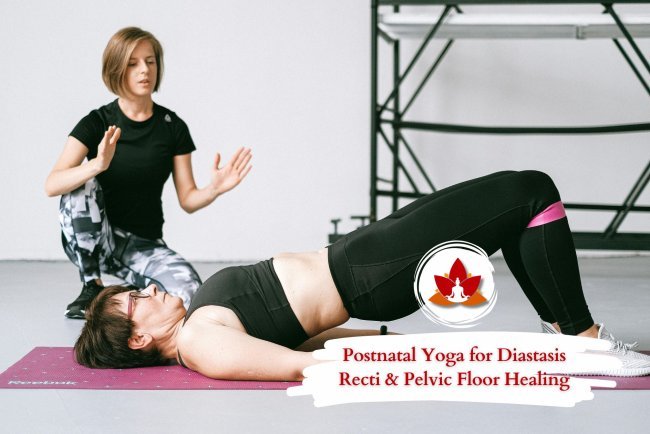
The pelvic floor is a hammock-like group of muscles that supports the reproductive organs, digestive organs, and, during pregnancy, the growing baby. Strengthening this area is essential for comfortable pregnancy, smooth labor, and postnatal recovery.
A weak pelvic floor—whether due to pregnancy, aging, or inactivity—may lead to:
-
Urinary or fecal incontinence
-
Constipation or incomplete emptying
-
Reduced sexual pleasure or painful intercourse
-
Difficulty achieving orgasm
-
Pelvic organ prolapse
-
Lower back or lower abdominal pain
During pregnancy, a strong pelvic floor:
-
Makes carrying the baby more comfortable
-
Helps support the uterus
-
Assists during labor and delivery
-
Aids quicker recovery postpartum
In yoga, gentle pelvic floor activation (often referred to as "lifting the pelvic floor") is practiced to build strength and awareness. Strong contractions should be avoided in the first trimester, but gentle awareness-based activation can begin safely in the second trimester.
3. The Posture
As the baby grows, the body’s center of gravity shifts forward. The abdominal muscles stretch and weaken, causing the lower back muscles to work harder, often resulting in lumbar pain—especially in the third trimester.
Prenatal yoga helps by:
-
Strengthening the abdominal muscles gently
-
Stretching tight lower back and upper leg muscles
-
Releasing tension caused by the shift in posture
Poses like Chakravakasana (not Cat/Cow) and other teacher-guided movements help keep the abdominal region integrated and strong enough to support the spine. After childbirth, yoga can assist in bringing separated abdominal muscles back toward their pre-pregnancy alignment.
4. The Feet
Each foot carries 26 bones, 33 joints, and more than 100 muscles, tendons, and ligaments. During pregnancy, changing weight distribution and shifting posture can lead to:
-
Overpronation (arches collapsing inward)
-
Swelling (edema)
-
Heel, arch, or ball-of-foot pain
-
Leg cramps and varicose veins
To support healthy feet during pregnancy:
-
Walk barefoot when possible
-
Practice mindful walking
-
Elevate the feet regularly
-
Wear properly fitting shoes
-
Stay hydrated and avoid salty foods
-
Use seamless socks to prevent restricted circulation
-
Take breaks during long drives to stretch and move
-
Consider gentle insoles if needed
Simple practices can greatly improve circulation and reduce discomfort.
5. The Hips
Prenatal yoga improves flexibility and comfort in the hip region—an area that plays a central role in pregnancy and childbirth. Pregnancy hormones soften the ligaments around the pelvis, preparing it for delivery, but this can also create instability without proper muscular support.
The hip flexors (front hips) help lift the knee toward the chest, while the gluteal muscles (back hips) stabilize and support movement. Balanced work on both sides helps:
-
Create space in the pelvis
-
Support comfortable fetal positioning
-
Ease movements needed during labor
-
Reduce tension and discomfort
Poses like low lunges stretch and strengthen the hip flexors and surrounding ligaments. Your yoga teacher can guide you through variations to ensure balance between the front and back hip muscles.
Contraindications Based on Anatomy
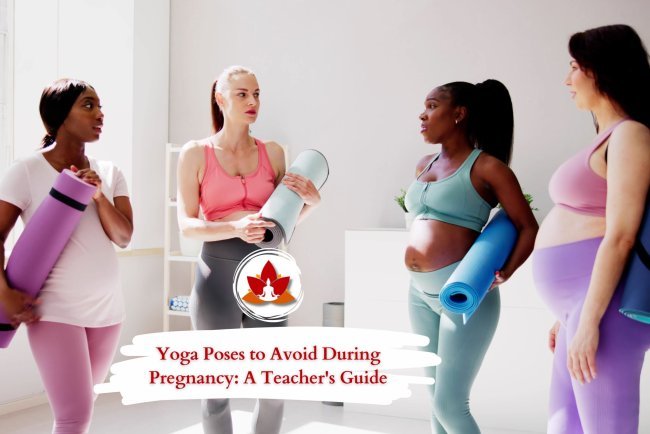
While prenatal yoga is generally safe, certain practices must be avoided to protect both mother and baby. Understanding these contraindications ensures that the practice remains supportive, gentle, and anatomically appropriate.
Absolute Contraindications
These practices should be completely avoided during pregnancy:
-
Hot yoga or Bikram yoga – increases the risk of maternal hyperthermia
-
Deep twists and prone (belly-down) positions – compress the abdomen and strain ligaments
-
Breath retention (Kumbhaka) – may reduce oxygen flow and cause dizziness
-
High-impact activities or new inversions – increase the risk of falling or overstressing lax joints
Conditions Requiring Medical Clearance
Before beginning or continuing prenatal yoga, pregnant individuals must consult their gynecologist or midwife if they have:
-
Placenta previa
-
High blood pressure or hypertension
-
A history of pre-term labor
-
Any other medical complications or high-risk concerns
Professional guidance ensures safe modifications tailored to the individual's condition.
Sample Prenatal Yoga Sequence – Anatomy-Focused
This gentle and supportive sequence promotes mobility, stability, and pelvic comfort while honoring the anatomical changes of pregnancy:
-
Cat–Cow (Marjaryasana–Bitilasana):
Encourages spinal mobility, relieves lower back pain, and helps correct pelvic tilt. -
Side Stretches (Seated or Standing):
Opens the side ribs and intercostal muscles, compensating for diaphragm compression as the uterus grows. -
Standing Supported Balance – Vrksasana (Tree Pose):
Builds ankle stability and supports balance amid increased joint laxity. -
Goddess Pose (Utkata Konasana):
Strengthens the legs and opens the hips, supporting pelvic stability and labor preparation. -
Supported Malasana (Squat):
Gently opens and releases the pelvis using blocks or a chair for support. -
Butterfly Pose (Baddha Konasana):
Offers a passive inner-hip release and supports pelvic floor relaxation. -
Side-Lying Savasana:
A deeply restorative pose safe after 20 weeks. Use a bolster under the head and between the knees for full-body support.
Expert Tips for Yoga Teachers
When teaching pregnant students, the most important skill is anatomical awareness. A mindful, supportive approach creates a safe and empowering environment. Consider the following guidelines:
-
Encourage generous use of props such as bolsters, blocks, cushions, and blankets to create comfort and stability.
-
Guide students to listen deeply to their bodies, honoring sensations and choosing comfort over intensity or depth.
-
Use empowering, positive language that reinforces trust in their body’s innate ability to birth.
A teacher’s voice and presence can profoundly influence a pregnant student’s confidence, emotional safety, and overall experience on the mat.
Conclusion
Emerging research suggests that prenatal yoga offers a wide range of physical, emotional, and mental benefits for both mother and baby. Evidence highlights improvements in:
-
Sleep quality
-
Stress and anxiety levels
-
Strength, flexibility, and endurance of muscles used during childbirth
-
Common discomforts such as nausea, headaches, shortness of breath, and carpal tunnel syndrome
Prenatal yoga may also help reduce the risk of preterm labor, pregnancy-related high blood pressure, and intrauterine growth restriction—conditions that can affect fetal development.
Yoga continues to be an excellent practice even after the baby arrives. Once you feel ready, gentle stretching, mindful breathing, and slow re-engagement with movement can support recovery. Even 15 minutes of soft yoga during your baby’s nap can help rebuild strength and boost energy. Practicing pranayama while feeding your baby can also aid relaxation and speed up healing by activating deep abdominal and diaphragm muscles.
As always, consult your healthcare provider before beginning any new exercise routine.
If you’re inspired to explore the deeper science and practice of prenatal yoga, join the Rishikesh Yogkulam Prenatal Yoga Teacher Training and step into a life-changing journey of wisdom, confidence, and holistic transformation.
Frequently Asked Questions
What's Your Reaction?