The Best Must Read Yoga Books to Inspire You and Your Yoga Practice

When you think about deepening your yoga practice, books might not be the first thing that comes to mind. Yet, some of the most profound growth in yoga happens not just on the mat but through the wisdom found in great yoga literature.
From ancient teachings to modern insights, yoga books open the doorway to understanding the philosophy, lineage, and transformative principles that make yoga such a rich and timeless practice. They help you expand your awareness—of your body, mind, and the world around you—one page at a time.
In this article:
We’ve curated a list of top-rated yoga books to guide and inspire you on your yogic journey. Whether you’re a beginner seeking a gentle introduction or a seasoned practitioner diving deeper into philosophy and spiritual growth, you’ll find something that resonates here.
At the end of the article:
You’ll also discover practical tips on how to choose the right yoga books for your path, along with answers to frequently asked questions from aspiring yogis.
Why Read Yoga Books?
Every yogi has a story about a book that profoundly changed their practice. Some have more than a few. If you’ve been practicing yoga for years, you can probably relate—how a single line, a new perspective, or a deeper understanding can shift everything.
A well-written yoga book can transform not only how you move on the mat but how you see the world off it. It can spark inspiration, awaken clarity, and connect you to the ancient wisdom that underlies this timeless practice.
How We Curated These Best Yoga Books
To bring you the most valuable recommendations, we:
-
Researched teacher-endorsed and top-rated yoga books from around the world.
-
Included a diverse mix of genres to suit various interests.
-
Chose titles suitable for all levels, from curious beginners to seasoned practitioners.
Why We Chose These Books
Our carefully curated list covers a balanced range of topics, categorized into three main sections:
-
Books on Yoga Poses and Practice
-
Yoga and Functional Anatomy
-
Meditation, Psychology, and Yoga Philosophy
Each review provides a concise yet comprehensive summary of the book, followed by insights into why you might love it—or skip it. And for those looking for more advanced reading, we’ve added a few bonus recommendations to deepen your exploration.
Here’s your detailed list of the best yoga books to read and expand your yogic journey.
Yoga Poses and Practice Books
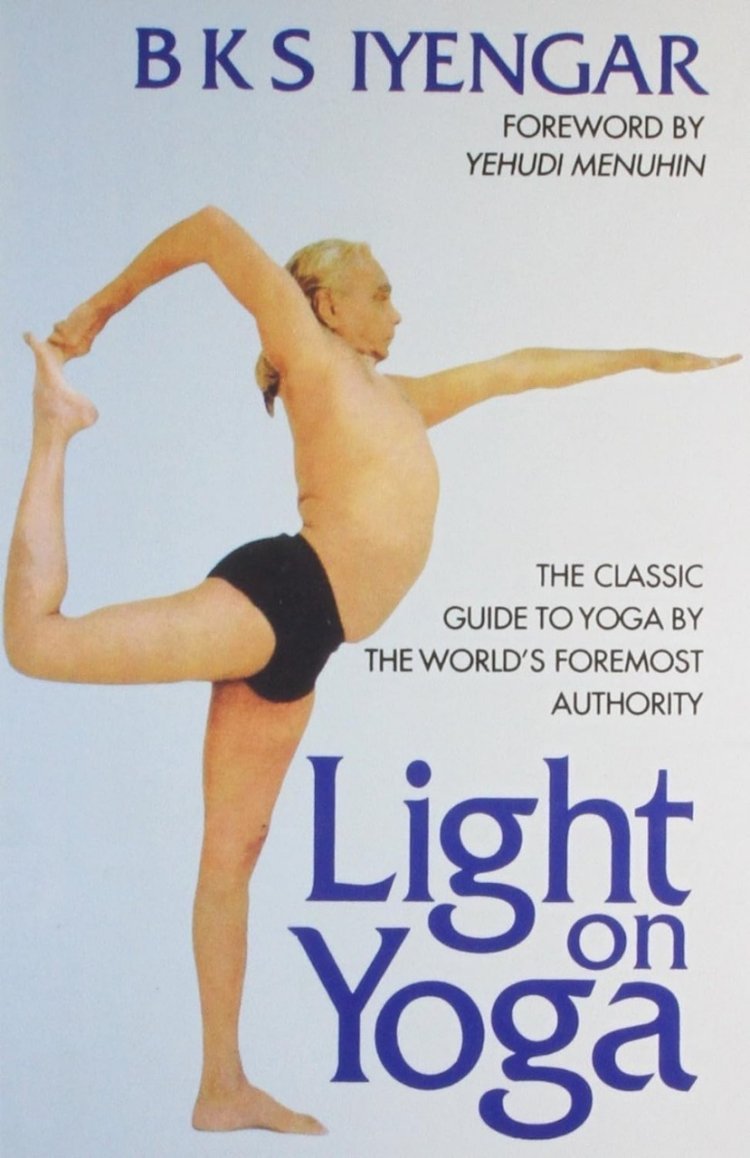
Light on Yoga by B.K.S. Iyengar
Often referred to as the “Bible of Modern Yoga,” Light on Yoga by B.K.S. Iyengar is a timeless classic that continues to guide practitioners across generations. This best-selling book covers everything from yoga theory and philosophy to detailed instructions on asanas, bandhas, kriyas, and pranayama—all explained with clarity and depth.
Written by one of the most respected yoga masters in the world, it carries an authentic, almost sacred tone—offering a direct link to yoga’s ancient roots while remaining deeply practical for today’s practitioner.
A Perfect Choice If:
-
You want a comprehensive and detailed manual on yoga.
-
You’d benefit from step-by-step guidance on transitioning between poses.
-
You’re comfortable with black-and-white photos that focus on precision rather than aesthetics.
-
You’re interested in yoga philosophy, including bandhas and kriyas.
-
You value a book written by a renowned, lifelong yoga master.
Not the Best Choice If:
-
You prefer modern, full-color photographs for visual reference.
-
You’re looking for pose modifications or simplified sequences.
-
You want a quick, beginner-friendly overview rather than an in-depth guide.
Yoga and Functional Anatomy Books
1. Functional Anatomy of Yoga: A Guide for Practitioners and Teachers
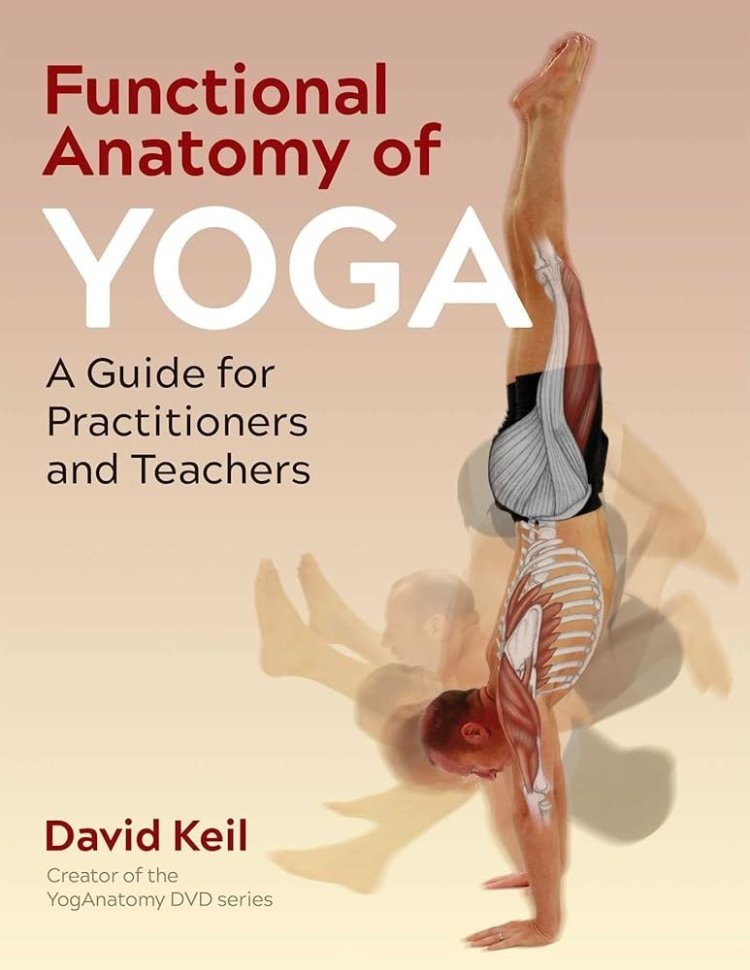
By David Keil
Understanding functional anatomy can completely transform your yoga practice—and your relationship with your body. David Keil’s Functional Anatomy of Yoga is widely regarded as one of the best guides for practitioners and teachers alike.
Keil’s clear, intuitive teaching style makes anatomy approachable, even for those who find the subject intimidating. He begins with the fundamentals—bones, muscles, and movement mechanics—and then shows how these principles apply directly to yoga asanas. His explanations are so vivid that you’ll begin to feel anatomy come alive in your own body.
Packed with illustrations, color diagrams, and practical insights, this book is an invaluable resource that you’ll return to for years. It’s particularly useful for yoga teachers looking to deepen their understanding of anatomy and integrate that knowledge into their classes.
A Perfect Choice If:
-
You enjoy learning about anatomy and body mechanics.
-
You’re curious about how your body moves and functions.
-
You appreciate clear visuals and color diagrams that make complex topics simple.
-
You’re a teacher who wants to integrate more anatomy into your lessons.
Not the Best Choice If:
-
You’re not particularly interested in anatomy or how your body functions.
2. Anatomy of Hatha Yoga: A Manual for Students, Teachers, and Practitioners
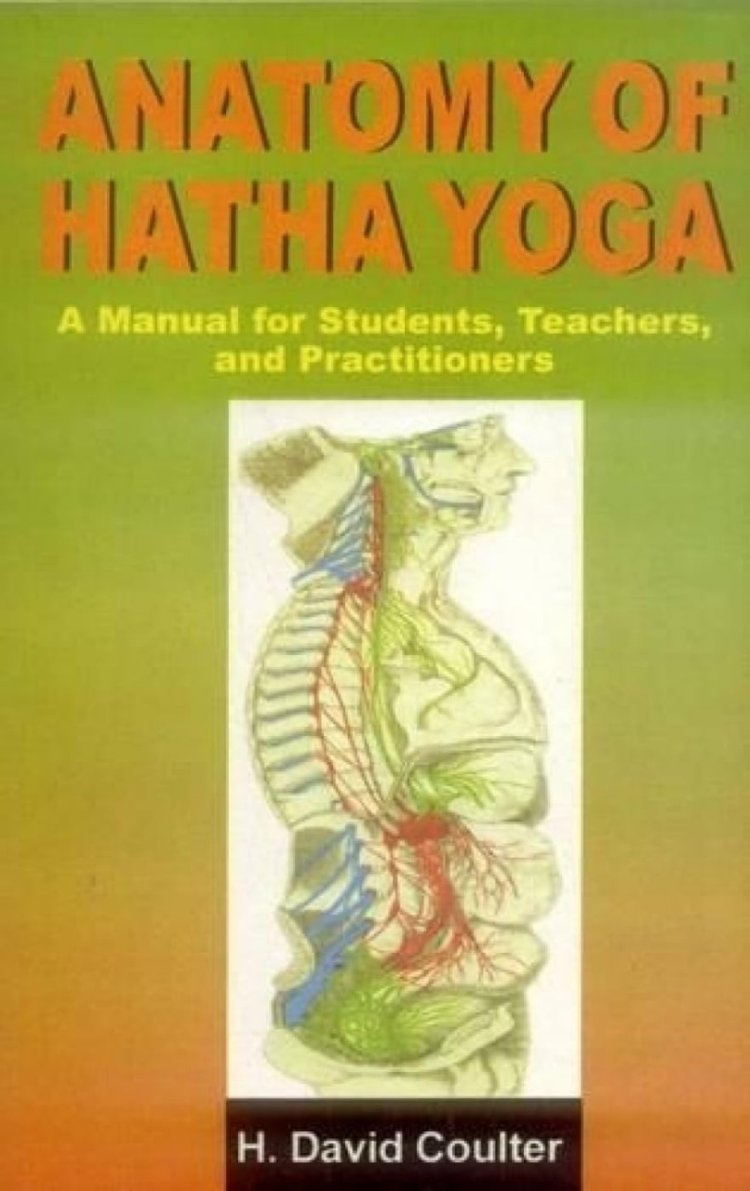
By H. David Coulter
H. David Coulter’s Anatomy of Hatha Yoga is considered one of the most comprehensive yoga anatomy texts ever written. Resembling a full anatomy and physiology textbook, it delves deeply into the mechanics of movement, posture, breathing, and core engagement, before exploring each major category of yoga poses—standing, forward bends, backbends, twists, inversions, and more.
At nearly 600 pages, it’s dense with information yet surprisingly readable for non-medical audiences. This book is ideal for serious students and teachers who want to understand why yoga works on a physical level and how each posture affects the body’s internal systems.
A Perfect Choice If:
-
You’re passionate about anatomy and physiology.
-
You’re eager to learn how your body moves and adapts in different poses.
-
You appreciate detailed black-and-white diagrams and photos.
Not the Best Choice If:
-
You’re not enthusiastic about studying anatomy in depth.
-
You prefer colorful, lightweight books over dense academic reads.
-
You want something simpler and quicker to read.
3. Meditation, Psychology, and Yoga Philosophy Books
Eastern Body, Western Mind by Anodea Judith
Anodea Judith has a rare gift—she bridges Eastern spirituality and Western psychology in a way that feels both deeply profound and easily understandable. Eastern Body, Western Mind is not just a book; it’s a journey of healing and self-discovery.
Through the lens of the chakra system, Judith explores how our emotional patterns, beliefs, and life experiences are stored in the body. Each chapter feels like a mirror—revealing how we can transform old wounds into awareness, strength, and compassion. More than a read, it’s a workbook for the soul—a guide toward balance, self-love, and conscious living.
A Perfect Choice If:
-
You’re feeling stuck, unmotivated, or emotionally drained and want gentle guidance.
-
You want to understand your psyche, emotions, and belief system more deeply.
-
You value self-reflection and inner growth.
-
You enjoy challenging yourself on a mental and spiritual level.
-
You’re drawn to books that blend psychology with spirituality.
Not the Best Choice If:
-
You prefer not to engage in deep emotional introspection.
-
You’re not interested in exploring your belief system or inner patterns.
-
You don’t enjoy books that merge Eastern philosophy with Western psychology.
What to Look for in a Yoga Book: Helpful Tips
1. Length
Some yoga books are perfect for a single inspiring read, while others serve as long-term companions you’ll revisit for years. Consider how much time you have—and how deeply you want to explore a topic—before choosing.
2. Topic
Yoga offers something unique for everyone. For some, it’s a physical practice; for others, it’s spiritual, therapeutic, or even emotional healing. Whether you’re an athlete, a trauma survivor, or an expectant mother, choose books that align with your personal intention and journey.
3. Author Experience
Authenticity matters. Look for authors who are experienced yoga teachers or scholars, ideally with certifications such as RYT, YTT, or E-RYT. Their background ensures the content is rooted in genuine practice and knowledge.
4. Digital Availability
If you prefer flexibility, opt for digital editions that can be read on your phone, tablet, or e-reader. Having your favorite yoga wisdom easily accessible on the go keeps your inspiration always within reach.
5. Illustrations or Images
Visual learners benefit from books that include clear illustrations or photographs, especially for asana practice. If you want to refine your posture—say, your Downward Dog or Reclined Pigeon—choose books with detailed visuals to guide you safely and effectively.
More Must-Reads by Category
In addition to our curated list above, here are a few more standout yoga books—perfect for beginners, moms-to-be, or anyone seeking inspiration and depth in their yoga journey.
1. The Yoga Beginner’s Bible – Tai Morello
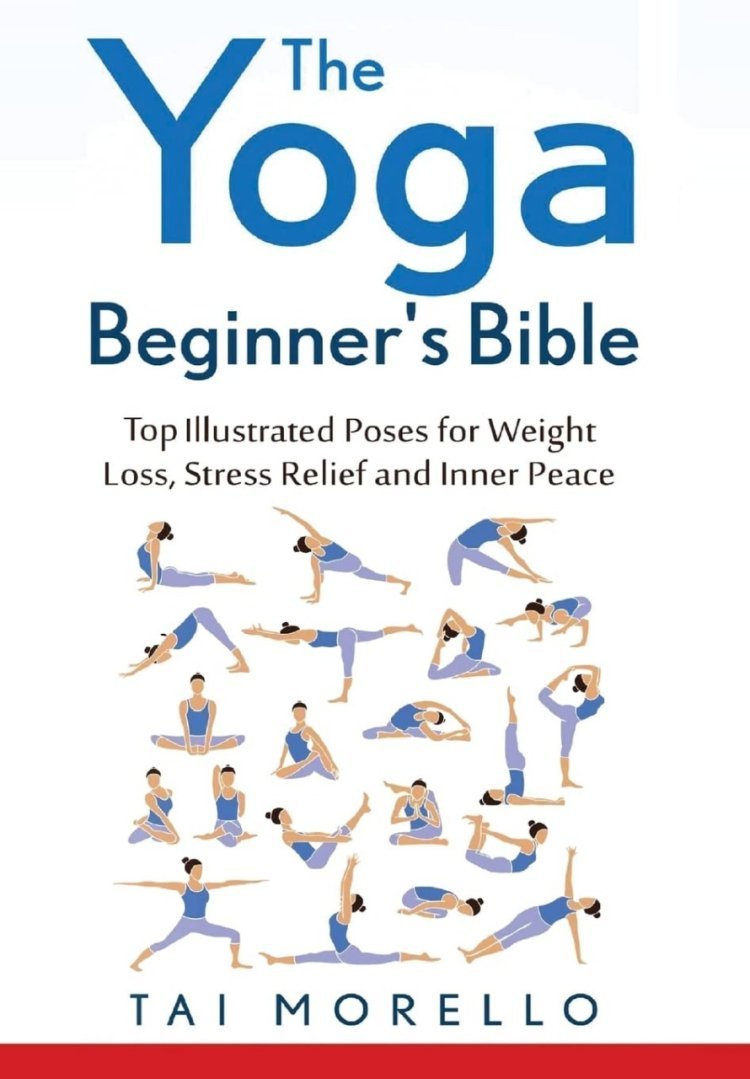
Category: Best Yoga Book for Beginners
What It’s About:
An approachable guide that breaks down fundamental poses, breathing techniques, and mindfulness practices into simple, digestible steps.
Why It’s Worth Reading:
Straightforward, motivating, and easy to follow—this book is the perfect launchpad for anyone starting their yogic journey.
2. Yoga Anatomy – Leslie Kaminoff & Amy Matthews
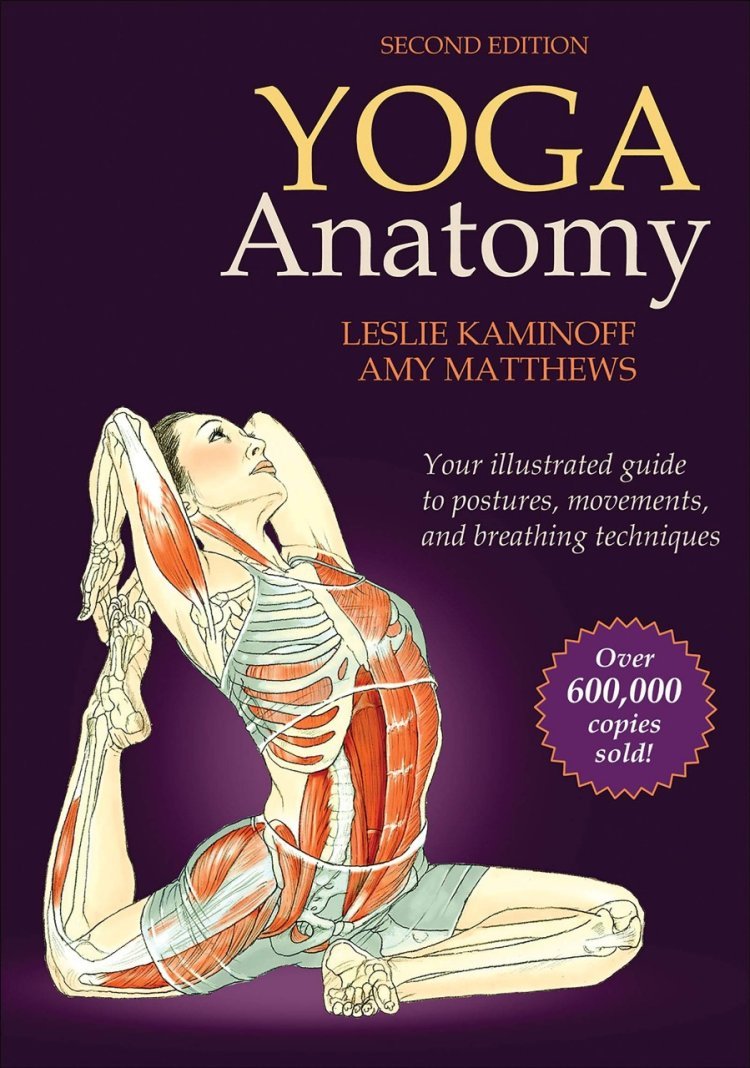
Category: Best Illustrated Yoga Book
What It’s About:
A beautifully visual guide that reveals the inner mechanics of each pose through detailed anatomical drawings and clear explanations of body movement.
Why It’s Worth Reading:
A must-have for teachers and inquisitive yogis who want to look beneath the surface and truly understand how yoga works from the inside out.
3. Poser: My Life in 23 Yoga Poses – Claire Dederer
Category: Best Yoga Memoir
What It’s About:
A witty, honest memoir that follows the author’s evolving relationship with yoga—and with herself—through the lens of 23 poses.
Why It’s Worth Reading:
Funny, heartfelt, and deeply relatable, this memoir reminds us that yoga is as much about life’s imperfect moments as it is about perfecting a pose.
4. Bountiful, Beautiful, Blissful – Gurmukh Kaur Khalsa
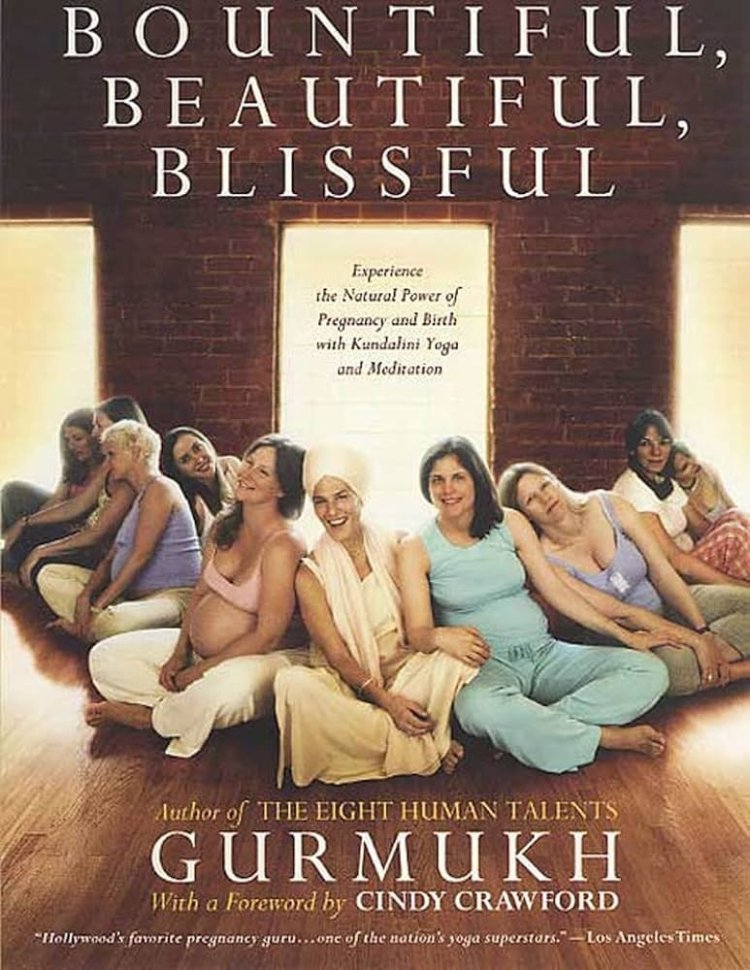
Category: Best Yoga Book for Pregnancy
What It’s About:
A nurturing guide rooted in Kundalini yoga, meditation, and affirmations to help expectant mothers embrace pregnancy with strength and serenity.
Why It’s Worth Reading:
A beautiful companion for mothers-to-be—offering wisdom, positivity, and spiritual grounding for a mindful pregnancy journey.
5. The Fourth Trimester – Kimberly Ann Johnson
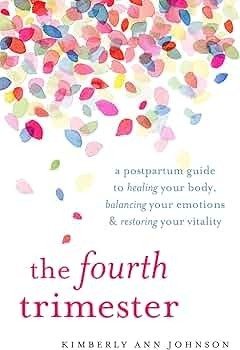
Category: Best for Postpartum Healing
What It’s About:
A compassionate manual for new mothers, focusing on physical, emotional, and energetic recovery after childbirth.
Why It’s Worth Reading:
This sacred roadmap offers deep support for postpartum healing—helping mothers restore balance, vitality, and self-connection during one of life’s most transformative phases.
Books Based on Traditional Yogic Wisdom
The authentic teachings and timeless values of the yogic lineage are a treasure that can never be stolen—only shared. They carry within them the sacred wisdom of countless generations, illuminating the path for seekers across the globe.
Yoga’s essence is not confined to the mat; it thrives in sacred scriptures, ancient experiences, and the written words of realized masters. This curated collection bridges the ancient roots of yoga with modern understanding, guiding readers through asana, pranayama, subtle energy, and spiritual philosophy.
1. Asana Pranayama Mudra Bandha
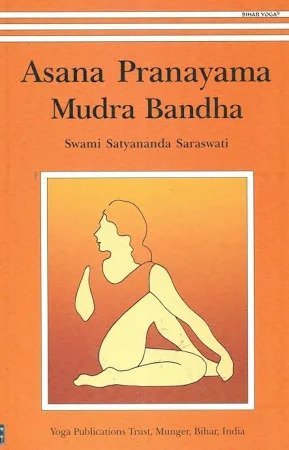
By Swami Satyananda Saraswati
A classic guide highly praised for its clarity, detailed illustrations, and methodical explanations. It covers asana, pranayama, mudra, bandha, and shatkarma, presenting both the physical and energetic dimensions of yoga.
Why Read It:
This book unites classical yogic wisdom with anatomical understanding, offering practical guidance on techniques, benefits, and contraindications—often missing in Western texts.
Best For:
Dedicated Hatha Yoga teachers and students who value discipline, structure, and a holistic approach to safe and powerful practice.
For Download - https://www.yogkulam.org/books/Asana.pdf
2. Hatha Yoga Pradipika
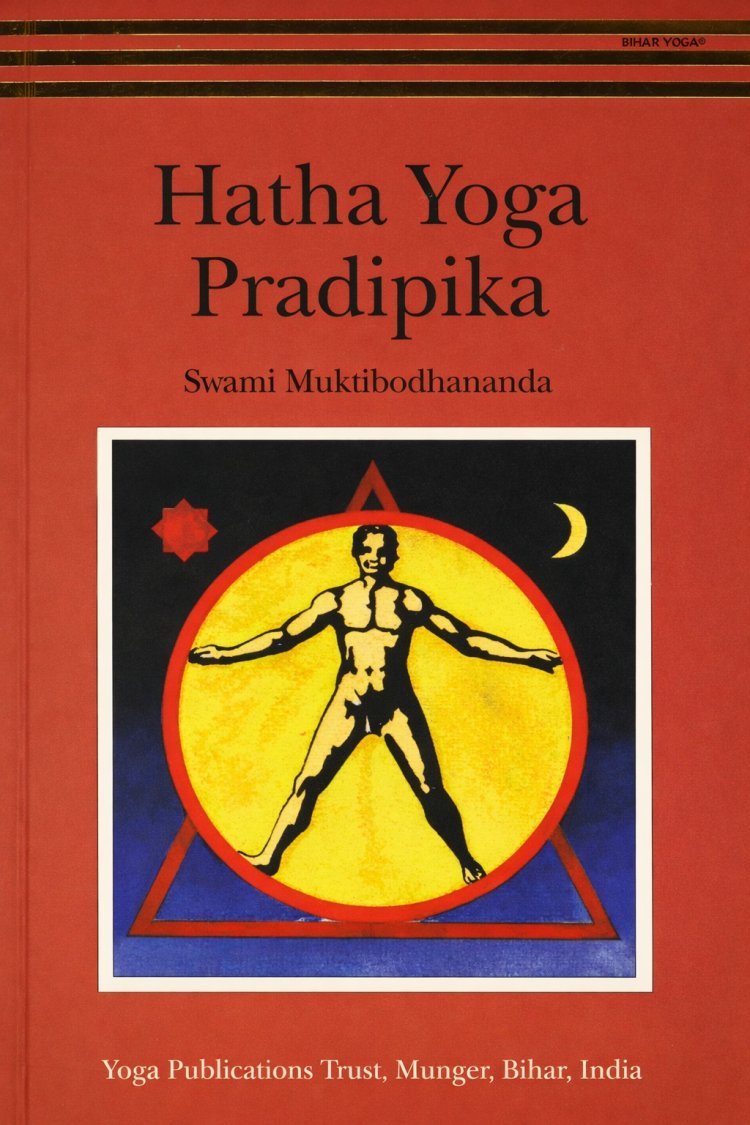
By Swami Muktibodhananda
Written in the 15th century, this seminal text is one of the three core scriptures of Hatha Yoga. It emphasizes spiritual awakening through the cultivation of pranic energy, outlining teachings on asana, pranayama, cleansing, mudra, and meditation.
Why Read It:
A cornerstone of traditional yoga, it shaped the foundation for later texts like the Gheranda Samhita. Its teachings connect physical practice with deep spiritual intent.
Best For:
Those drawn to the Bhakti-Tantric roots of yoga and eager to explore its classical, devotional dimensions.
For Download - https://www.yogkulam.org/books/Hatha%20Yoga%20Pradipika.pdf
3. Gheranda Samhita
By Swami Niranjanananda Saraswati
This 17th-century text presents a sevenfold path of yoga—purification, asana, mudra, pratyahara, pranayama, dhyana, and samadhi. Written in a dialogue format, it offers both structure and spiritual insight.
Why Read It:
Unlike other traditional works, this scripture offers a systematic, practical roadmap from body purification to ultimate liberation, making it invaluable for those seeking a disciplined yogic lifestyle.
Best For:
Practitioners who prefer a structured and comprehensive approach rooted in classical yoga tradition.
4. Four Chapters on Freedom
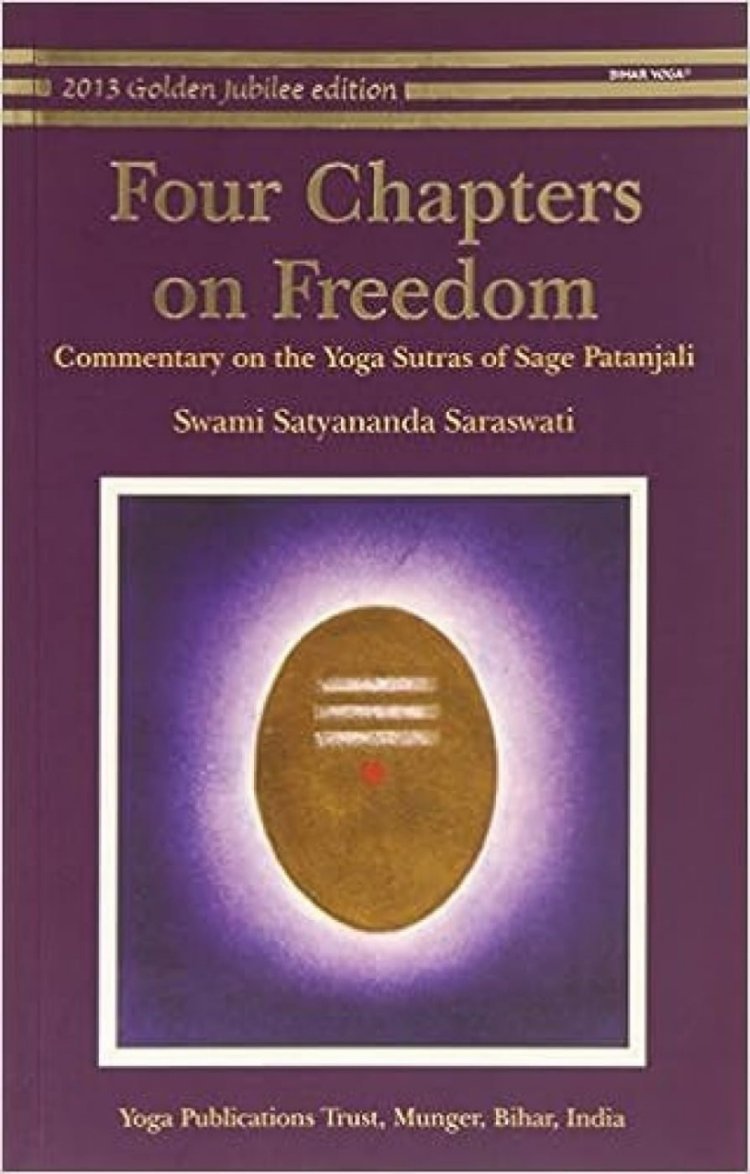
By Swami Satyananda Saraswati
(Commentary on Patanjali’s Yoga Sutras)
A lucid and accessible interpretation of Patanjali’s Yoga Sutras, this version organizes the aphorisms into four padas (chapters): Samadhi, Sadhana, Vibhuti, and Kaivalya—each unfolding a deeper level of consciousness.
Why Read It:
This commentary bridges ancient yogic philosophy with modern understanding, making Patanjali’s wisdom practical for daily life and meditation.
Best For:
Seekers of inner transformation who wish to integrate yogic philosophy into both spiritual and practical living.
5. Prana and Pranayama
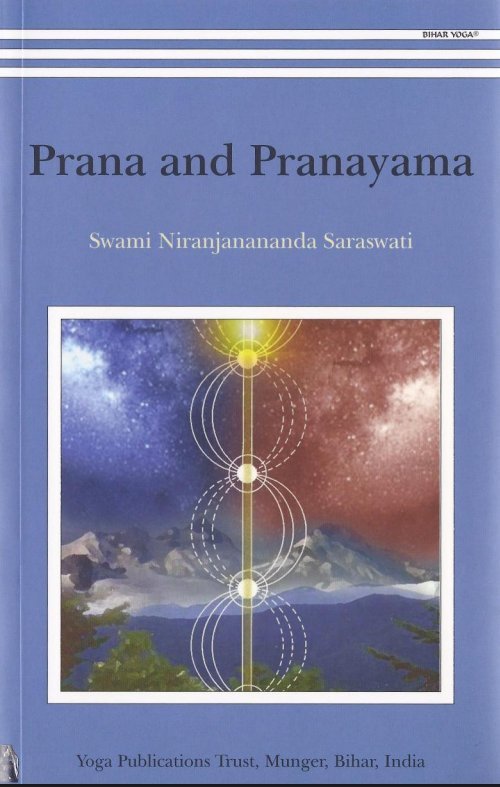
By Swami Niranjanananda Saraswati
A comprehensive study of the science of prana (vital energy) and pranayama (breath control), exploring their physiological, energetic, and spiritual aspects in detail.
Why Read It:
It provides deep insight into how breath and energy shape the mind, emotions, and consciousness—empowering practitioners to move from technique to true energetic mastery.
Best For:
Yoga teachers, therapists, and advanced practitioners seeking to understand prana, the vayus, koshas, and higher pranayama techniques.
For Download - https://www.yogkulam.org/books/Prana%20and%20Pranayama.pdf
6. Yoga of the Subtle Body
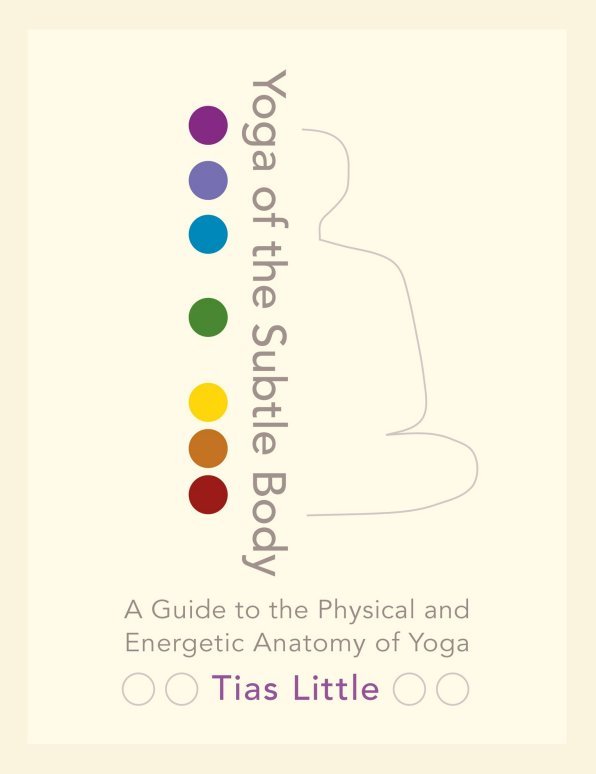
By Tias Little
Blending yoga, anatomy, and Eastern philosophy, this book explores subtle energy systems—the chakras, nadis, koshas, and prana—through the lens of somatics, mindfulness, and body awareness.
Why Read It:
It beautifully bridges ancient energy wisdom with modern anatomy and mindfulness, helping practitioners embody subtle awareness in daily life and movement.
Best For:
Modern yogis interested in energy, embodiment, and bridging science with subtle anatomy.
For Download - https://www.yogkulam.org/books/Yoga%20of%20the%20Subtle%20Body.pdf
7. The Seven Spiritual Laws of Yoga
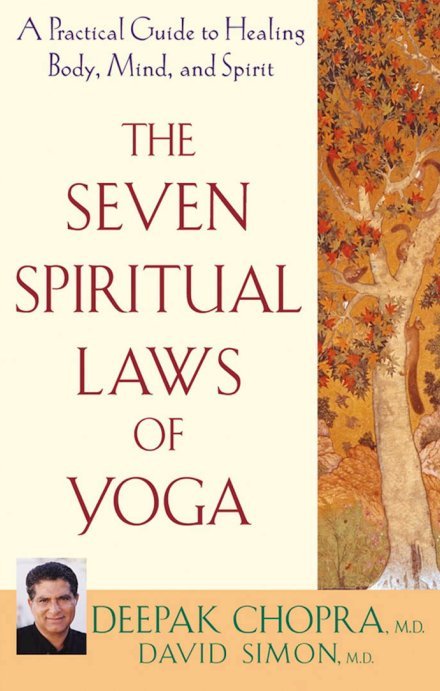
By Deepak Chopra & David Simon
Drawing on Vedanta and Ayurveda, this book distills yoga’s spiritual essence into seven universal principles, making yogic philosophy accessible and applicable to everyday living.
Why Read It:
It harmonizes movement, intention, and consciousness—offering a heart-centered, mindful approach to living yoga beyond the mat.
Best For:
Spiritual seekers and lifestyle yogis who want to align daily life with universal wisdom and inner peace.
For Download - https://www.yogkulam.org/books/The%20Seven%20Spiritual%20Law%20of%20Yoga.pdf
8. The Yoga Sutras of Patanjali
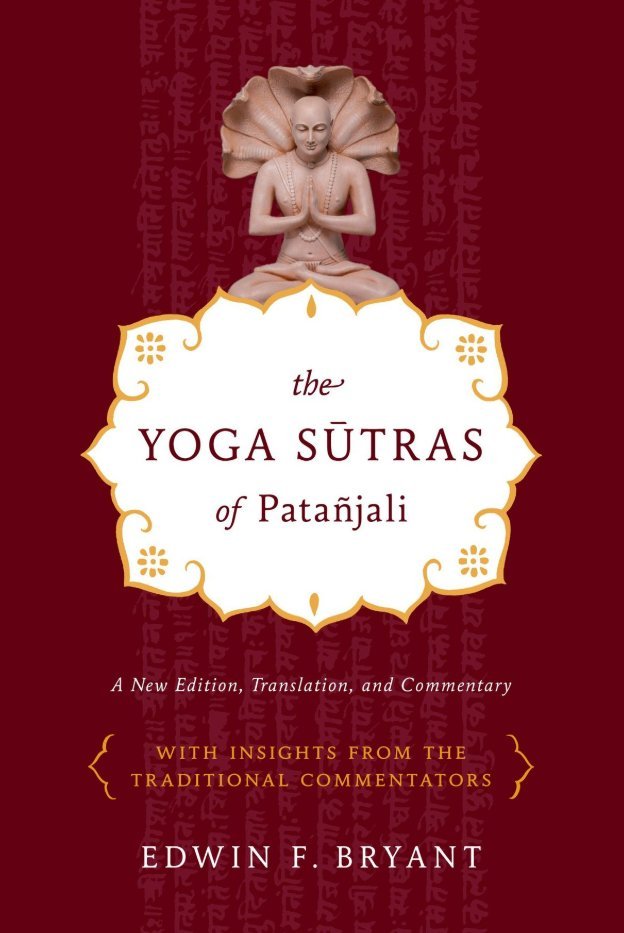
Various Translations: Swami Satchidananda, Edwin Bryant, Georg Feuerstein
The foundational scripture of Raja Yoga, Patanjali’s Yoga Sutras lays out the eightfold path (Ashtanga Yoga)—guiding practitioners from moral discipline to ultimate self-realization.
Why Read It:
This timeless text offers profound psychological and spiritual insight into the nature of the mind, consciousness, and liberation. It remains the bedrock of all yoga philosophy.
Best For:
Philosophically inclined yogis, meditators, and teachers seeking depth, clarity, and timeless spiritual guidance.
What’s Your Favorite Pick?
Every book on this list carries a voice that speaks straight to the heart. Each one has the power to lift you up in its own unique way—revealing something new about yourself, your yoga practice, and even life itself.
We hope this guide helps you find the perfect yoga book for where you are on your journey right now—or inspires you to gift one to a friend, co-worker, or loved one who shares your passion for yoga.
That wraps up our selection of some of our most beloved yoga books. Of course, there are countless others out there, and we’d love to hear from you!
Tell us in the comments: Which yoga books have inspired you the most, and why?
FAQs
1. Will yoga books make me a yoga teacher?
While yoga books are an excellent way to expand your understanding, they cannot replace formal teacher training. Accredited Yoga Teacher Training Courses (YTTCs) require a specific number of in-person training hours for certification. However, reading these books can greatly support your journey, helping you grasp foundational theory, philosophy, and anatomy before or during your training.
2. Can I really learn yoga from books?
Absolutely! Just like any field of study, reading about yoga is a powerful way to deepen your knowledge. Books can help you understand the philosophy, anatomy, and spiritual principles behind each practice. They offer context that enhances your experience on the mat—and for teachers, they enrich both understanding and instruction.
3. What is the science behind yoga?
Modern research supports what yogis have known for centuries. According to the National Center for Complementary and Integrative Health (NCCIH), yoga offers measurable benefits—helping reduce stress, anxiety, and depression, improve flexibility and strength, aid in weight management, and even assist in pain relief and smoking cessation. The combination of breath awareness, mindful movement, and mental focus creates a holistic impact on both body and mind.
4. What can you expect from yoga books?
That depends on your interests and level of commitment. For beginners, a simple guide on basic poses and breathing might build confidence to start practicing. For seasoned yogis, advanced books on philosophy, anatomy, or energy systems can open entirely new dimensions of understanding. The more time and heart you invest, the more deeply yoga’s wisdom will unfold.
What's Your Reaction?