How to Relieve Stress Quickly
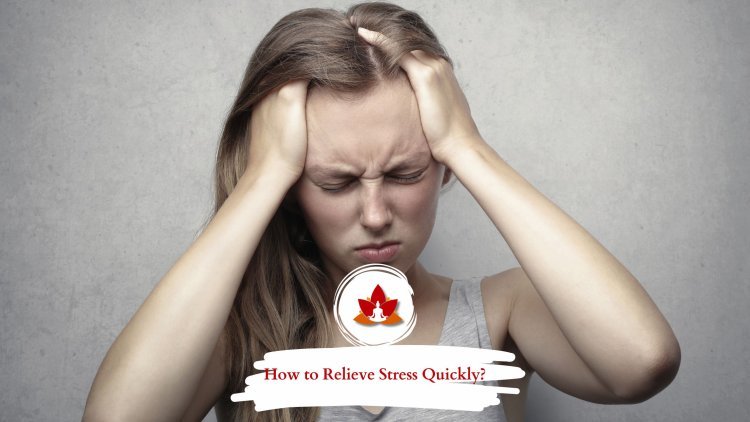
Discover what stress really is, how cortisol affects your body, and why reducing stress is essential for your health. Learn how to calm your mind and body fast with 10 proven tips designed to bring you back to balance.
Stress touches almost everyone. It can be triggered by tight deadlines, personal challenges, or simply the constant demands of everyday life.
It often shows up as anxiety, fatigue, irritability, or even physical illness. While stress is a natural response—your body’s way of preparing to face challenges—too much of it can harm your health and happiness.
The good news? Relieving stress doesn’t have to be complicated. There are quick, effective methods you can use anytime to calm your mind, restore energy, and feel better.
What is Stress?
Stress is the body’s natural response to challenging or demanding situations. When you face stress, your body releases cortisol—often called the “stress hormone.” In short bursts, cortisol can actually be helpful, giving you the energy and focus needed to respond quickly. For example, if a baseball is suddenly thrown your way, cortisol helps your body react fast to avoid it.
However, when stress becomes constant and cortisol levels remain high for too long, it starts to wear you down. Chronic stress can lead to problems such as poor sleep, weight gain, anxiety, high blood pressure, and even heart or blood sugar imbalances.
The good news is that by learning how to manage stress and regulate your body’s alarm system, you not only feel calmer in the moment—you also protect your long-term health and well-being.
10 tips to relieve stress quickly
Learning to calm stress in the moment is essential. By breaking the stress cycle, lowering cortisol, and shifting from tension to relaxation, you can restore balance and protect your well-being. Here are 10 quick and effective tips to help you relax and recharge:
1. Listen to Soothing Music
Relaxing music can slow your heart rate, lower blood pressure, and reduce cortisol. Explore calming genres—such as classical, ambient, or nature sounds—that help you instantly feel at ease.
2. Practice Deep Breathing
Stress often makes our breathing shallow and rapid. Counter this by slowing it down. Techniques like box breathing, the 4–7–8 method, or diaphragmatic breathing can quickly trigger the body’s natural relaxation response.
3. Visualize a Peaceful Scene
Close your eyes and imagine a serene place—like a quiet beach or a forest path. Your body often responds as if you were really there, helping to reduce stress while engaging your senses in calm.
4. Enjoy a Square of Dark Chocolate
Dark chocolate contains compounds that reduce stress hormones and boost mood. Savor a small piece of high-quality chocolate as a mindful, stress-busting treat.
5. Try Aromatherapy
Essential oils such as lavender, sandalwood, or eucalyptus are known for their calming effects. Use a diffuser, light a scented candle, or apply diluted oils to instantly create a soothing atmosphere.
6. Take a Warm Bath
Immersing yourself in warm water helps relax muscles, improve circulation, and melt away tension—providing both physical and mental relief from stress.
7. Move Your Body
Physical activity releases endorphins, the body’s natural stress-fighters. A short walk, yoga stretches, or even a quick burst of jumping jacks can clear your head and restore calm.
8. Sip Herbal Tea
Herbal teas like chamomile, peppermint, or green tea can gently relax the nervous system. Preparing and enjoying a warm cup becomes a soothing ritual in itself.
9. Spend Time with an Animal
Interacting with pets lowers cortisol and boosts oxytocin—the hormone linked with happiness and connection. A few minutes of play or cuddles with your furry friend can do wonders for stress relief.
10. Write It Out
Journaling helps release mental clutter, reduce anxiety, and process emotions. By writing down your thoughts, you create clarity and discover patterns that may help you manage future stress.
What is Cortisol? The Science Behind Stress

Cortisol, often called the stress hormone, is a powerful chemical messenger that does much more than help you cope with pressure. Alongside managing stress, cortisol also:
-
Regulates metabolism
-
Reduces inflammation
-
Supports memory and learning
When you encounter a stressful situation, your body releases cortisol as part of the fight-or-flight response, preparing you to face or escape danger—even if that “danger” is something as ordinary as a looming deadline or a packed schedule.
Cortisol fuels your body by releasing sugar (glucose) into the bloodstream, giving you a quick burst of energy. It also helps your brain use that glucose more effectively while temporarily slowing down non-essential functions like digestion or reproduction.
The Impact of High Cortisol
While healthy amounts of cortisol are necessary for survival, chronic stress can keep cortisol levels elevated for too long, leading to serious health consequences:
-
Impaired cognition — Excess cortisol can weaken memory, concentration, and learning ability.
-
Weakened immunity — Constantly high cortisol suppresses the immune system, leaving you more vulnerable to illness.
-
Weight gain — Cortisol increases appetite and encourages fat storage, particularly around the midsection.
-
Chronic disease risks — Long-term high cortisol is linked to heart disease, high blood pressure, and diabetes.
-
Mental health struggles — Elevated cortisol can trigger or worsen anxiety, depression, and other psychological disorders.
Understanding cortisol—and keeping it in balance—is key not only for handling stress but also for protecting your long-term physical and mental well-being.
Balancing Cortisol Levels
Keeping cortisol in check is essential for both your daily well-being and your long-term health. By practicing simple stress-management techniques, you can calm your mind, reduce tension, and prevent cortisol from staying elevated. Small, consistent changes not only help you feel better in the moment but also protect your body from the harmful effects of chronic stress.
What Causes Stress?
Understanding the root causes of stress is the first step to managing it effectively. Stressors—whether internal or external—can look very different from person to person, but identifying them gives you the power to respond with clarity instead of overwhelm.
External Causes of Stress
These are stressors that often feel outside our control:
-
Work and career challenges – High performance demands, tight deadlines, workplace conflict, or job insecurity.
-
Relationship conflicts – Tension with a partner, family, or friends, as well as feelings of isolation or loneliness.
-
Financial pressure – Worries about debt, bills, or long-term financial security.
-
Life transitions – Major changes such as moving to a new city, starting a new job, marriage, or divorce—even positive changes can be stressful.
Environmental conditions – Constant noise, crowded spaces, or the relentless fast pace of modern life.
Internal Causes of Stress
These stressors originate within us, often shaped by our mindset and self-perception:
-
Negative thinking – Dwelling on worst-case scenarios or seeing challenges as bigger than they are.
-
Perfectionism – Holding yourself to unrealistic standards.
-
Inflexibility – Difficulty adapting to new or unexpected situations.
-
Unrealistic expectations – Placing impossible demands on yourself or others.
-
Harsh self-criticism – Constantly putting yourself down, which erodes self-esteem and well-being.
Identifying Your Personal Stressors
Awareness is key. Pay attention to the situations, thoughts, and emotions that trigger your stress response. By recognizing your personal stressors, you can prepare for them, adjust your perspective, or build healthier coping strategies that reduce their impact.
10 Lifestyle Changes That Can Lower Cortisol and Stress
Managing stress and keeping cortisol levels balanced is essential for overall health and wellness. While it’s impossible to eliminate stress completely, making small lifestyle adjustments can significantly reduce its impact on your mind and body.
1. Regular Exercise
Physical activity releases endorphins—your body’s natural “feel-good” hormones—which help improve mood and lower stress. Even a daily walk, gentle yoga practice, or short workout can make a big difference.
2. Eat a Balanced Diet
Fuel your body with whole foods like fresh fruits, vegetables, whole grains, and lean proteins to stabilize cortisol. Reduce sugar, caffeine, and processed foods, which can trigger stress and energy crashes.
3. Prioritize Quality Sleep
Aim for 7–9 hours of restful sleep each night. Create a calming bedtime routine, limit screen time before bed, and stick to a consistent sleep schedule to support hormonal balance and recovery.
4. Practice Mindfulness and Meditation
Staying present helps calm the nervous system and reduce stress. Try meditation, deep breathing, or mindful eating. To deepen your practice, explore meditation and breathwork techniques at Rishikesh Yogkulam, where the seeker’s yogic journey begins.
5. Spend Time Outdoors
Nature is a natural stress reliever. Sunlight, fresh air, and greenery can lower cortisol and boost mood. Go for a walk in the park, try gardening, or simply sit outside and soak in the moment.
6. Nurture Social Connections
Strong relationships provide emotional support and reduce feelings of isolation. Make time to connect with friends, family, or supportive communities to strengthen your resilience against stress.
7. Develop Hobbies
Engage in activities you enjoy—painting, cooking, music, or any creative outlet. Hobbies provide distraction, accomplishment, and joy, all of which help counter stress.
8. Practice Gratitude
Focusing on the positives rewires your perspective. Keep a gratitude journal or take a few moments daily to reflect on what you’re thankful for. Gratitude naturally lifts your mood and reduces stress.
9. Manage Your Time Wisely
Set boundaries and avoid overcommitting. Prioritize your tasks, delegate when possible, and don’t hesitate to say “no.” Effective time management prevents overwhelm and boosts productivity.
10. Seek Professional Support
If stress feels overwhelming, consider speaking with a counselor, therapist, or wellness coach. Professional guidance can help you uncover root causes and provide effective tools for long-term stress management.
Conclusion
The first step toward overcoming stress is identifying its source—whether it stems from work, relationships, or personal challenges. Resorting to unhealthy coping mechanisms like drinking or smoking may offer temporary distraction, but ultimately, they worsen the problem. Ignoring stress altogether can also intensify its effects over time.
True stress relief comes from building emotional resilience, taking proactive steps to manage your circumstances, and surrounding yourself with a strong support network. Coupled with an optimistic mindset, these strategies not only help you cope with daily stressors but also empower you to protect your long-term health and well-being.
FAQs
How do I know if my stress is too much?
You may be experiencing excessive stress if it shows up as unusual physical, emotional, or behavioral symptoms:
-
Physical: Frequent headaches, fatigue, or nausea.
-
Emotional: Feeling anxious, irritable, or depressed.
-
Behavioral: Changes in appetite, disrupted sleep patterns, or withdrawing from social interactions.
What are signs that I need to act immediately to relieve stress?
Seek help right away if you notice severe symptoms such as:
-
Panic attacks
-
Ongoing insomnia
-
Debilitating physical pain
-
Turning to unhealthy coping mechanisms like heavy drinking or drug use
If stress is negatively affecting your relationships, work, or overall health, it’s important to take action immediately.
How does sleep affect stress—and can better sleep reduce it?
Stress and sleep are deeply connected. Severe stress can disrupt sleep, and poor sleep increases stress by raising cortisol levels. This creates a cycle of anxiety and fatigue. Improving sleep quality helps lower cortisol and allows your body to rest, recover, and reset.
Tips for better sleep include:
-
Keeping a consistent sleep schedule
-
Creating a calming bedtime routine
-
Making your sleep environment comfortable and screen-free
How often should I practice stress relief techniques for best results?
It depends on your personal needs:
-
Daily practices: Deep breathing, meditation, or mindfulness can be done once—or even several times—a day.
-
Weekly practices: Exercise, social activities, or hobbies can be incorporated a few times a week.
The key is consistency—regular practice makes stress easier to manage and keeps cortisol levels in check.
What should I do if regular stress relief methods aren’t working?
If you’ve tried common techniques without success, it may be time to consult a mental health professional. A counselor or therapist can help identify underlying causes of stress and create a personalized plan that works for you.
What's Your Reaction?