10 Key Advantages of Completing a 300-Hour Yoga Teacher Training

Graduating from a 200-hour yoga teacher training naturally sparks the question: What comes next? Should you jump straight into leading classes, dedicate time to deepening your solo practice, or enroll in an advanced program like a 300-hour yoga teacher training? If you are leaning toward that third route, you are looking at a transformative next step.
An advanced 300-hour curriculum offers far-reaching rewards. Designed to elevate your physical capabilities, expand your breathwork repertoire, deepen your grasp of traditional philosophy, and sharpen your instructional methods, this training bridges the gap between foundational knowledge and seasoned teaching. Below is a closer look at the core objectives of a 300-hour yoga teacher training course (YTTC) and how it can shape your path forward.
(Note: If you are exploring immersive, in-person study, Sampoorna Yoga’s 300-hour yoga teacher training in Goa offers an enriching environment to experience these benefits firsthand.)
1. Expand Your Physical Capabilities Through Intensive Practice
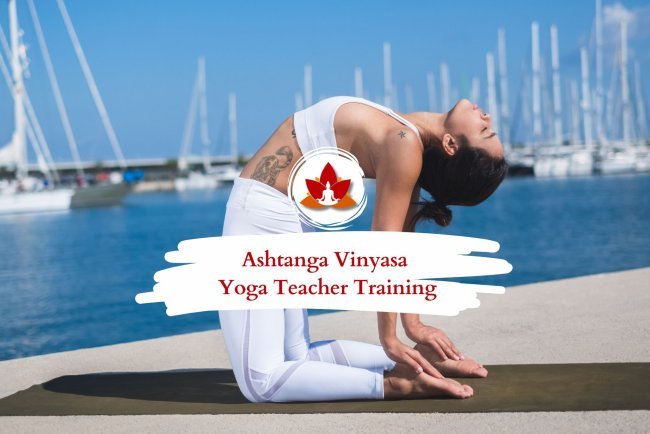
A 300-hour YTTC challenges you to move safely past familiar physical boundaries. By working through complex postures—including arm balances, deep splits, and core-intensive transitions—you discover new levels of resilience in your body. The curriculum is structured to build muscular endurance, stability, stamina, and mobility, leaving you feeling noticeably stronger, lighter, and more energized by graduation.
2. Master Subtle Yogic Techniques Beyond Asana
Advanced training takes you well beyond physical postures. You will refine intricate breathwork techniques, including Kumbhaka (controlled breath retention), and learn how to engage Bandhas (energetic locks) during both pranayama and movement. Depending on your school's syllabus, you will also explore traditional purification practices (Shatkarmas) such as Neti (nasal cleansing) and Trataka (steady candle-gazing).
3. Deepen Your Command of Yogic Philosophy
While introductory courses touch on history and ethics, a 300-hour program immerses you in classical texts and traditions—including Patanjali’s Yoga Sutras, the Bhagavad Gita, Bhakti Yoga, and Karma Yoga. Just as importantly, experienced faculty help you translate these timeless teachings into modern daily scenarios so you can genuinely live your practice off the mat.
4. Cultivate Deeper States of Meditation and Stillness
If your 200-hour course introduced basic meditation styles, an advanced program guides you into sustained, inward-focused stillness. Through prolonged practice, you learn to quiet external distractions, cultivate emotional equilibrium, and connect with a deeper sense of self-awareness. Over time, this personal grounding equips you to lead your own students through genuinely restorative meditative journeys.
5. Understand Functional Anatomy and Subtle Physiology
Rather than memorizing surface-level muscle charts, a 300-hour syllabus examines human anatomy and physiology directly through the lens of yoga movement and breath. Progressive programs—such as those at Sampoorna Yoga—emphasize functional anatomy, teaching you how a posture should feel internally rather than forcing an external aesthetic. You will also learn how subtle energy pathways (Nadis) and energy centers (Chakras) map onto the physical body, empowering you to offer safer cues and individualized modifications.
6. Embody a Sustainable Yogic Lifestyle
Spending an extended period immersed in mindful study naturally reshapes your daily habits. A 300-hour training makes it far easier to integrate yogic ethics, balanced nutrition, consistent movement, and emotional awareness into everyday routines. Instead of treating mindfulness as an occasional exercise, you develop a calm, intentional approach to work, relationships, and self-care.
7. Elevate Your Instructional Skills Through Mentorship
As your personal understanding matures, your ability to guide others improves alongside it. Many advanced programs place you in the teacher’s seat from day one, pairing consistent practice-teaching hours with direct feedback from senior mentors. If you intend to build a career in yoga, this hands-on coaching builds tremendous poise and clarity at the front of the room.
8. Bridge the Gap Between Personal Passion and Profession
Plenty of graduates finish a 200-hour training out of personal curiosity, still feeling hesitant to step in front of a class. A 300-hour YTTC provides the repetition, structure, and confidence needed to turn that passion into a viable profession—preparing you to lead private sessions, community classes, and multi-level group offerings with ease.
9. Strengthen Your Professional Credentials
For aspiring full-time educators, completing an accredited 300-hour course qualifies you to register as an RYT-500 with Yoga Alliance (should you choose to register). Holding 500 hours of formal training adds weight to your resume, distinguishes you in a competitive market, and opens doors to teaching opportunities at established studios, retreat centers, and training academies.
10. Clarify Your Unique Teaching Niche
Extended study gives you the clarity to identify which facets of yoga resonate with you most. You might discover a calling toward Yin Yoga, Ashtanga, Yoga Nidra, therapeutic applications, prenatal support, or philosophical study—or simply realize you prefer sharing yoga informally with loved ones. Pinpointing your core strengths helps you carve out an authentic, fulfilling niche.
Ready to Take the Next Step?
One of yoga's greatest strengths is its ability to meet every practitioner where they are. Whether your priority is personal transformation, deeper study, or launching a full-time teaching career, a 300-hour yoga teacher training creates the dedicated space needed to grow and share the practice with confidence.
If you are weighing your options and want to know whether an advanced training fits your goals, reach out to our team—we would be glad to talk through your next steps!
What's Your Reaction?