A Complete Guide to Safe Yoga Practices During Pregnancy

Pregnancy is a time of profound transformation—physically, emotionally, and mentally. As the body changes and new life unfolds within, many women turn to yoga as a grounding and supportive practice. Prenatal yoga, a specialized and mindful adaptation of traditional yoga, offers gentle yet powerful benefits, helping to ease common discomforts such as back pain, swelling, fatigue, and emotional stress.
That said, the pregnant body has unique needs, and safety must always come first. Movements, postures, and breathing techniques that once felt natural may now require thoughtful modification. Practicing without awareness can do more harm than good—making informed guidance essential.
This comprehensive guide is dedicated entirely to pregnancy-safe yoga practices. It explores gentle, effective techniques suitable for each trimester, highlights key adjustments to support the changing body, and clearly outlines movements and practices that should be avoided. Above all, this guide aims to help you cultivate a yoga practice that is nurturing, empowering, and safe—supporting not only your well-being, but also the healthy development of your baby.
Your yoga practice during pregnancy is not about pushing limits; it’s about listening deeply, moving consciously, and honoring this extraordinary journey of motherhood.
Prenatal Yoga: Essential Safety Protocols

When it comes to prenatal yoga, safety is paramount. During pregnancy, the body produces the hormone relaxin, which softens the ligaments of the pelvis—and, in fact, all the joints in the body. While this natural process supports childbirth, it also increases joint instability, making pregnant women more vulnerable to injury. For this reason, the focus of yoga during pregnancy should shift away from flexibility and toward stability, support, and awareness.
Below are the essential safety principles every expectant mother should follow when practicing prenatal yoga:
Obtain Medical Clearance
Before beginning any new exercise or yoga routine, always seek approval from your obstetrician or midwife. This ensures your practice aligns with your individual pregnancy needs.
Work with a Qualified Prenatal Yoga Teacher
Prenatal yoga requires specialized knowledge. A trained prenatal yoga instructor understands pregnancy-related contraindications and can safely modify postures based on physiological changes.
Honor Your Body’s Wisdom
This is not the time to push limits or chase intensity. If you feel discomfort, strain, dizziness, or pain in any pose, gently come out of it immediately. Listening to your body is an essential part of prenatal practice.
Stay Hydrated and Keep Cool
Overheating can be harmful to fetal development. Practice in a well-ventilated, cool environment and drink water regularly. Hot yoga and heat-intensive practices should be strictly avoided throughout pregnancy.
Use Props Generously
Bolsters, blankets, blocks, and straps are invaluable tools during pregnancy. They provide stability, support balance, and help create space as your body grows and changes.
Avoid Lying Flat on Your Back
From the second trimester onward (after approximately 16 weeks), it’s best to avoid supine positions. Lying flat can compress the vena cava—a major vein—reducing blood flow to the heart and placenta.
Breathe Naturally and Continuously
Breath should remain smooth, deep, and relaxed. Avoid breath retention (kumbhaka) and forceful or heating breathing techniques such as bhastrika. A steady flow of oxygen is vital for both mother and baby.
Prenatal yoga is not about performance—it is about care, presence, and conscious movement. When practiced with these safety protocols in mind, yoga becomes a powerful ally, supporting both maternal well-being and the healthy development of your baby.
Tailor-Made Methods and Positions for Every Trimester
Consistency in yoga practice is valuable during pregnancy—but adaptability is essential. As your body, energy levels, and needs evolve, your practice should evolve with them. Each trimester brings unique physical and emotional changes, and prenatal yoga must be adjusted accordingly to remain supportive, safe, and nourishing
First Trimester (Weeks 1–13)
The first trimester is a time of subtle yet powerful internal changes. Fatigue, nausea, and emotional fluctuations are common. The focus here should be on gentle movement, breath awareness, and deep listening to the body.
Seated Cat–Cow Pose (Marjari–Asana)


How to Practice:
Sit on a cushion with your legs crossed, or come onto all fours. Inhale as you lift your chest and gently arch the spine (Cow). Exhale as you round the spine, drawing the chin slightly toward the chest (Cat).
Benefits:
Relieves spinal tension, improves mobility in the back, and gently supports digestion.
Bound Angle Pose (Baddha Konasana)

How to Practice:
Sit on an elevated surface, bring the soles of the feet together, and allow the knees to fall open naturally. Avoid pressing the knees down—let gravity do the work.
Benefits:
Opens the hips, softly stretches the inner thighs, and promotes healthy blood circulation in the pelvic region.
Second Trimester (Weeks 14–27)
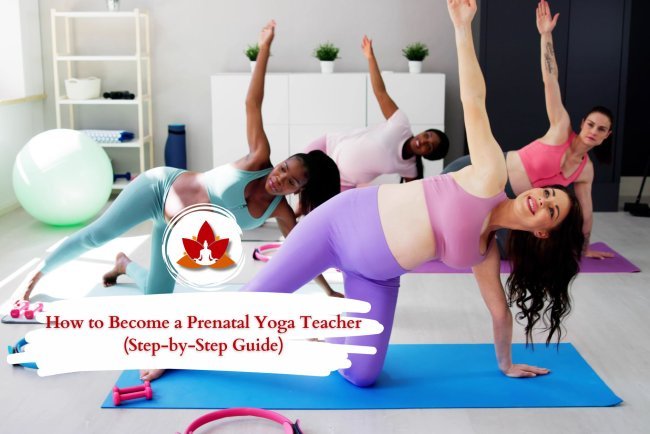
Energy levels often improve during the second trimester, though the growing belly shifts your center of gravity. This phase is ideal for building strength, stability, and confidence, while adapting postures to accommodate bodily changes.
Warrior II (Virabhadrasana II)
How to Practice:
Step your feet wide apart, turning the back foot slightly inward. Bend the front knee so it stacks over the heel. Extend both arms parallel to the floor and gaze softly over the front hand.
Benefits:
Strengthens the legs and arms, enhances stamina, and builds grounded stability.
Triangle Pose (Trikonasana – Modified)
How to Practice:
Stand with the legs wide. Turn the front foot outward and hinge forward from the hips. Rest the lower hand on a block or your shin, keeping space in the torso.
Benefits:
Stretches the legs, hips, and spine while supporting lower-back health.
Third Trimester (Weeks 28–40)
In the final trimester, the emphasis shifts toward preparation for labor, relaxation, and comfort. Breathing practices, restorative postures, and hip-opening poses become especially valuable.
Supported Garland Pose (Malasana)

How to Practice:
Step your feet wide and lower into a squat. Support yourself with blocks or a bolster under the sitting bones. Keep the spine long and the chest open.
Benefits:
Gently stretches the pelvic floor and thighs, encouraging openness in the pelvis.
Side-Lying Savasana (Modified Corpse Pose)
How to Practice:
Lie on your left side to support optimal blood flow to the placenta. Use pillows between the knees, under the head, and beneath the top arm for full support.
Benefits:
Promotes deep relaxation, improves sleep quality, and avoids compression of the vena cava.
Deep Belly Breathing
How to Practice:
Sit or lie comfortably. Place one hand on the abdomen. Inhale slowly through the nose, feeling the belly expand. Exhale gently through pursed lips, allowing the abdomen to soften.
Benefits:
Calms the nervous system and becomes a powerful tool for managing contractions during labor.
Pranayama (Breathing Techniques) as a Labor Tool Kit
Perhaps the most effective thing you can use when giving birth is breathing. The regulated breathing of pranayama can greatly contribute to awareness and control of the process, which will be invaluable during the actual delivery.
Bhramari Pranayama (Bee Breath/Humming Bee Breath): Inhale deeply and then close your ears by gently pressing your thumbs into your ears and exhaling while making an "Mmmmmm" humming sound. The hum is very soothing and reduces your worries and anxieties.
Extended Breathing: In a labor situation, it is essential to be able to exhale for a prolonged period of time as a technique for coping with pain. Practice exhaling for a duration twice as long as inhaling. This stimulates the parasympathetic nervous system, also referred to as "rest and digest."
Practices to Avoid During Pregnancy
As the body undergoes profound anatomical and hormonal changes during pregnancy, certain yoga practices that may feel familiar or beneficial at other times can become unsafe. Being aware of what not to practice is just as important as knowing which postures to include. The following practices should be avoided to ensure the safety and well-being of both mother and baby:
Hot Yoga
Practices performed in heated environments significantly raise body temperature. Maternal hyperthermia is a serious risk during pregnancy and has been linked to potential complications in fetal development. All forms of hot or heated yoga should be strictly avoided.
Prone Poses (Lying on the Belly)
Postures that require lying on the abdomen become uncomfortable and unsafe after the first trimester, as they place direct pressure on the growing uterus.
Supine Poses for Extended Periods (Lying Flat on the Back)
After approximately 16 weeks of pregnancy, lying flat on the back can compress major blood vessels—particularly the vena cava—reducing blood flow to the heart and placenta. Brief transitions may be acceptable, but prolonged supine positions should be avoided.
Deep or Closed Twists
Twisting postures that compress the abdomen, such as closed seated twists, restrict circulation to the uterus. Instead, opt for gentle, open twists that focus on the upper back and shoulders while keeping the belly free.
Deep Backbends
Strong, forceful backbends can overstretch the abdominal wall and place unnecessary strain on the lower spine. During pregnancy, backbends should remain mild, supported, and controlled.
Intense Core Exercises
Avoid crunches, full planks, boat pose, or any exercise that places excessive load on the abdominal muscles. These movements increase the risk of abdominal separation (diastasis recti) and can compromise core integrity.
Prenatal yoga is about protection, awareness, and mindful adaptation. By consciously avoiding these practices and choosing safer alternatives, yoga becomes a supportive and nourishing tool throughout pregnancy—helping you move with confidence, comfort, and care.
Pelvic Floor Muscles: How Strengthening and Releasing Work Together
One of the most vital—yet often misunderstood—aspects of prenatal yoga is its focus on the pelvic floor muscles. This deep and intelligent muscle group supports the uterus, bladder, and bowel, playing a crucial role throughout pregnancy, childbirth, and postpartum recovery.
Prenatal yoga approaches the pelvic floor with balance and awareness, emphasizing both gentle strengthening and conscious release. Regular, mindful engagement helps support the growing weight of the baby, reduces the risk of urinary leakage, and aids in preventing pelvic organ prolapse. However, strength alone is not enough.
Equally important is the ability to fully relax the pelvic floor. During childbirth, a chronically tense pelvic floor can restrict the baby’s descent through the birth canal, making labor more difficult and prolonged. Learning how to soften, release, and trust these muscles is therefore just as essential as learning how to engage them.
Through breath-led movement and mindful cues, prenatal yoga teaches women when to activate and when to let go—creating a pelvic floor that is both responsive and resilient.
Mindfulness and Meditation
Mindfulness practices are a powerful complement to physical yoga during pregnancy. Through meditation, expectant mothers learn to anchor their awareness in the present moment, cultivating calm, emotional stability, and a deep connection with their developing baby.
Guided relaxation techniques such as Yoga Nidra (yogic sleep) are especially beneficial. These practices soothe the nervous system, reduce anxiety, and help women develop inner resources to cope with discomfort and pain during childbirth. By fostering relaxation and trust in the body, mindfulness and meditation support a more empowered and conscious birth experience.
Together, pelvic floor awareness and meditative presence form the heart of prenatal yoga—supporting not only physical strength and flexibility, but also confidence, calm, and inner connection throughout pregnancy and beyond. .
Conclusion
Safe and thoughtfully modified prenatal yoga is a powerful and nurturing practice that supports the extraordinary journey of motherhood. By prioritizing grounding, honoring the innate intelligence of your body, and practicing conscious, steady breathing, prenatal yoga helps cultivate both physical strength and emotional calm during pregnancy.
Embracing this practice is a meaningful way to deepen your connection with yourself and the life growing within you, while laying a strong foundation for long-term health and well-being—for both mother and baby. The skills developed on the mat—such as patience, resilience, breath awareness, and deep relaxation—extend far beyond pregnancy, offering invaluable support during childbirth and into the postpartum phase.
Prenatal yoga is not about perfection; it is about presence, trust, and gentle self-care. When practiced mindfully, it becomes a lifelong resource, empowering you to move through motherhood with greater confidence, balance, and ease.
Note: Before beginning or continuing any exercise or yoga program during pregnancy, always seek guidance and clearance from your qualified healthcare provider.
Frequently Asked Questions
What's Your Reaction?