Why Rishikesh is Called the Yoga Capital of the World
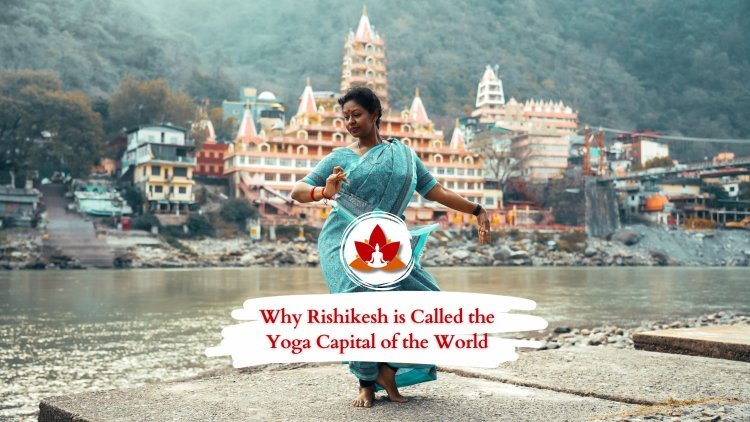
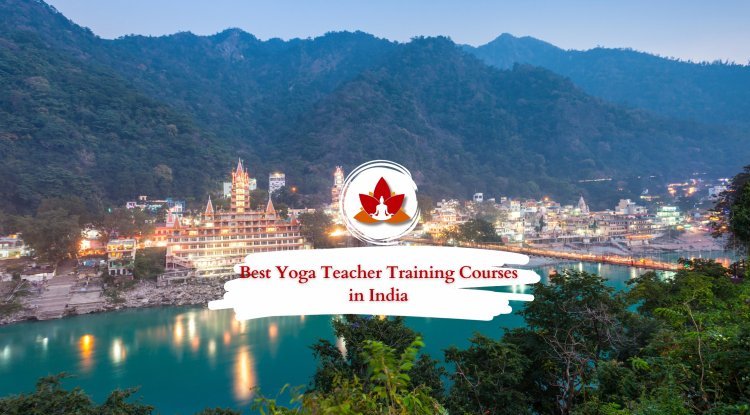
Perfectly cradled in the majestic foothills of the Himalayas, where the sacred Ganges flows with timeless grace, lies a small yet extraordinary town—a place steeped in history, rich tradition, and an unbroken yogic lineage. This is Rishikesh, the ultimate destination for yogis, spiritual seekers, and yoga enthusiasts from across the globe. Lovingly known as the “Yoga Capital of the World,” Rishikesh has become a pilgrimage for anyone longing to deepen their practice and experience yoga in its most authentic form.
Every year, this ancient spiritual town in Uttarakhand, India, attracts more than one million visitors, including countless international students who travel great distances to study yoga as it has been taught for millennia—pure, traditional, and untouched by modern dilution. With its abundance of yoga schools, centuries-old ashrams, vibrant spiritual energy, and a living legacy of yogic wisdom, Rishikesh stands tall and truly unrivaled as the world’s most beloved hub for yoga.
If you are curious about what makes this small Himalayan city the global epicenter of yoga, this must-read article reveals it all—from its ancient mythological roots and timeless spiritual traditions, to key turning points in modern history and the powerful contemporary yogic movement that continues to flourish while honoring its origins.
The Ancient Roots
Etymology and Mythological Origins
The name Rishikesh carries deep spiritual significance rooted in Sanskrit. Derived from hrishik (senses) and ish (master or lord), it translates to “Lord of the Senses.” The name originates from a sacred episode mentioned in the Skanda Purana, one of Hinduism’s eighteen major texts.
To understand how this serene Himalayan town became the heart of yoga, one must journey back through the mythology and legends that shaped its soul.
1. Lord Shiva’s Meditation After Drinking Poison
In Hindu mythology, during the great churning of the cosmic ocean—Samudra Manthan—a deadly poison called Halahala emerged. To protect the universe, Lord Shiva drank the poison and retreated to the Himalayas to meditate and cool its burning effect.
It is believed that Shiva meditated near present-day Rishikesh, at the revered Neelkanth Mahadev Temple. His throat turned blue from the poison, giving him the name Neelkantha (the Blue-Throated One). The profound stillness of his meditation is said to linger in this region, making it a powerful center for inner transformation and yogic practice.
2. Lord Rama’s Atonement and the Legend of Lakshman Jhula
Rishikesh is also intimately connected to the epic Ramayana. After defeating Ravana—who, despite being a demon king, was a learned Brahmin—Lord Rama came here to atone for the sin of Brahma-hatya. He spent years on the banks of the Ganga, performing deep penance for purification and peace.
According to legend, Lakshmana crossed the Ganges at the spot where the iconic Lakshman Jhula now stands, using a simple rope bridge made of jute. Nearby stands the ancient Lakshman Temple, believed to mark the site of his meditation. With these stories of repentance, devotion, and purification, Rishikesh carries a powerful aura of spiritual redemption.
3. Sage Raibhya Rishi and the True Origin of the Name “Rishikesh”
Another sacred origin of the name comes from the Skanda Purana, which narrates the intense penance of Raibhya Rishi. His austerity was so profound that Lord Vishnu appeared before him in the form of Hrishikesha—the Lord of the Senses.
From that moment, the region became known as Hrishikesha Tirtha, later simplified to Rishikesh. This story reflects the city’s essence as a land of spiritual awakening, discipline, and mastery over the senses—the very heart of yogic philosophy.
4. A Sacred Land of Tapasya in the Mahabharata
Rishikesh’s legacy also runs deep within the Mahabharata. After the devastating war of Kurukshetra, the Pandavas passed through Rishikesh to seek spiritual cleansing and repentance. Overwhelmed by the consequences of the war, they spent time performing tapasya, meditation, and prayer along the serene banks of the Ganga.
In those ancient times, the forests and caves of Rishikesh were home to countless sages and hermits, making it a vibrant center for yogic learning. The Pandavas found the solitude they needed to detach from worldly life and prepare themselves for their spiritual journey toward moksha—self-realization and ultimate liberation.
5. The Pandavas’ Path to Salvation
According to many legends, the Pandavas began their final journey, Mahaprasthan, toward the Himalayas from the Rishikesh region, making it a symbolic gateway to higher spiritual realms. Surrounded by ashrams, meditation caves, and hermitages, seekers—including the Pandavas—practiced dhyana (meditation), pranayama, and austerities under the guidance of sages and rishis.
This deep-rooted association with purification, inner transformation, and yogic discipline during the Mahabharata era laid a powerful foundation for what Rishikesh represents today. Over thousands of years, this spiritual legacy evolved into a global yogic tradition, earning Rishikesh its title as the Yoga Capital of the World.
The Vedic Era: Birthplace of Meditation and Yogic Science
During the Vedic period, roughly 1500 BCE to 500 BCE, Rishikesh emerged as a powerful sanctuary for rishis, yogis, and spiritual seekers. Its natural landscape and energetic potency made it a sacred ground for meditation and the early development of yogic sciences.
Energetic Vibes
Ancient yogis believed that certain places on Earth carry unique spiritual frequencies. Rishikesh—nestled at the confluence of the Chandrabhaga and Ganga rivers in the Himalayan foothills—was recognized as one such extraordinary location. Its serene environment, clean pranic energy, and profound stillness made it a magnet for seekers looking to deepen their meditation and tap into higher states of consciousness.
The Yogic Lineage That Made Rishikesh a Global Spiritual Capital

Rishikesh rose to worldwide prominence through the unbroken lineage of enlightened masters whose presence and teachings shaped its identity for thousands of years. Their wisdom turned this humble Himalayan town into one of the most significant spiritual destinations on the planet.
Sage Vashishtha
-
The revered sage Vashishtha—one of the Saptarishis (Seven Great Sages)—is believed to have meditated in the caves of Rishikesh, especially along the sacred Ganges.
-
His profound spiritual energy laid the earliest foundations for Rishikesh as a thriving center of meditation, ascetic life, and yogic wisdom.
-
The divine vibrations attributed to his presence established Rishikesh as a land of tapasya (austerity), drawing countless sages and seekers throughout the centuries.
Maharishi Mahesh Yogi
-
Founder of Transcendental Meditation (TM), a technique that transformed meditation practices across the world.
-
Established the Maharishi Ashram in Rishikesh, which gained global recognition when The Beatles visited in 1968.
-
His influence ignited a wave of international curiosity and brought thousands of Western seekers to Rishikesh.
-
Maharishi Mahesh Yogi successfully bridged timeless Himalayan wisdom with modern global audiences, significantly contributing to Rishikesh’s identity as a global spiritual hub.
Paramahansa Yogananda
-
Author of the iconic “Autobiography of a Yogi,” one of the most impactful spiritual books of the 20th century.
-
Introduced Kriya Yoga to the West and illuminated the sacredness of the Himalayan spiritual tradition.
-
Although he never founded an ashram in Rishikesh, his teachings inspired millions to seek yogic knowledge in this holy region.
-
His emphasis on inner awakening, meditation, and universal spirituality solidified Rishikesh’s reputation as a destination for deep yogic transformation.
Evolution Through the Ancient and Medieval Periods
Through both ancient and medieval times, Rishikesh continued to attract saints, scholars, and mystics who journeyed here to practice and teach yoga, meditation, and spiritual philosophy. The sacred town became a vibrant center where various yogic traditions were refined, preserved, and eventually carried to the rest of the world.
During this era, Rishikesh became home to countless monks who had embraced sannyasa—a life of complete renunciation. These ascetics lived in mountain caves, forest hermitages, and humble ashrams, dedicating themselves to rigorous spiritual disciplines such as:
-
Hatha Yoga: Physical postures and breath-control practices designed to purify and strengthen the body.
-
Raja Yoga: Meditation and concentration techniques systematized in Patanjali’s Yoga Sutras.
-
Jnana Yoga: The philosophical path of knowledge, inquiry, and self-realization.
-
Bhakti Yoga: Devotional practices rooted in love, surrender, and connection to the divine.
-
Karma Yoga: The yoga of selfless action, performed without attachment to results.
These traditions were meticulously preserved through the sacred guru–disciple lineage (parampara), ensuring their purity and authenticity even as the region passed through centuries of political shifts and cultural changes. This uninterrupted transmission of yogic wisdom is one of the reasons Rishikesh remains the world’s most trusted center for traditional yoga today.
The Modern Renaissance
The 20th-Century Spiritual Revival
Though Rishikesh has been a sacred destination for thousands of years, the 20th century marked a remarkable turning point. This once-hidden Himalayan town began to shine on the global stage, gaining international recognition for its authentic yogic traditions, meditation practices, and spiritually charged atmosphere.
Swami Sivananda’s Transformative Influence (1936)
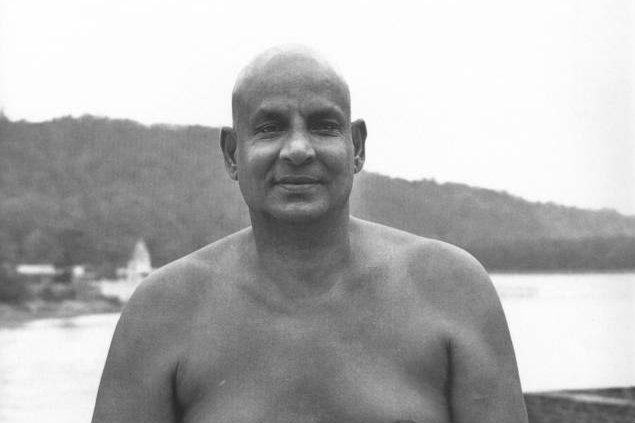
A pivotal moment in Rishikesh’s modern history came in 1936 with the establishment of Swami Sivananda’s Ashram and the Divine Life Society. Swami Sivananda championed the philosophy of Integral Yoga—a complete, harmonious approach that brought together multiple yogic paths:
-
Hatha Yoga
-
Raja Yoga
-
Karma Yoga
-
Bhakti Yoga
-
Jnana Yoga
His teachings opened the doors of yoga not only to monks and renunciates but also to householders, global travelers, and modern spiritual seekers. Under his guidance, the Sivananda Ashram blossomed into a luminous center that attracted sincere aspirants from across India and eventually from all corners of the world.
Swami Sivananda’s legacy expanded even further through his eminent disciples—such as Swami Satchidananda and Swami Vishnu-devananda—who carried the teachings abroad, establishing yoga centers worldwide and spreading the ancient wisdom that was nurtured in Rishikesh.
Other Influential Spiritual Masters
Several other enlightened teachers also shaped Rishikesh’s rise as a global spiritual hub:
-
Swami Dayananda Saraswati – Revered Vedanta teacher and founder of Arsha Vidya Gurukulam.
-
Maharishi Mahesh Yogi – Founder of Transcendental Meditation, whose teachings reached millions.
-
Swami Rama – Founder of the Himalayan Institute and master of yogic sciences.
Their presence and contributions further strengthened Rishikesh’s profound spiritual character and helped anchor its global identity as a sanctuary for deep yogic learning.
The Beatles and the Global Awakening (1968)
February 1968 marked a watershed moment that reshaped the destiny of Rishikesh and ignited the global yoga movement. This was the year yoga stepped into mainstream Western consciousness when The Beatles—John Lennon, Paul McCartney, George Harrison, and Ringo Starr—traveled to Maharishi Mahesh Yogi’s ashram to learn Transcendental Meditation.
Why This Event Was Revolutionary
1. Cultural Impact
At the peak of their fame, the Beatles’ spiritual retreat caught worldwide media attention. For the first time, meditation and yoga were not seen merely as ancient Indian practices—they became subjects of global curiosity, embraced by the world’s most influential artists. Their journey created an explosion of interest in Eastern philosophy, consciousness, and inner transformation.
2. Creative Outpouring
During their stay, the Beatles wrote nearly 48 songs, many of which later appeared on the White Album, Abbey Road, and other releases. The stillness of the Himalayan foothills, combined with the meditative atmosphere of the ashram, became a powerful catalyst for creativity and introspection.
3. Rise of Mass Western Interest in Rishikesh
Following the Beatles’ visit, Western seekers flocked to Rishikesh in unprecedented numbers. The city’s infrastructure gradually evolved to accommodate international travelers. Yoga schools, ashrams, and guesthouses began opening their doors specifically for global students, laying the foundation for Rishikesh’s modern identity as a world yoga hub.
The Beatles Ashram Today
The Maharishi’s ashram, originally known as Chaurasi Kutia (the 84 meditation cells), was abandoned in the 1990s but reopened to visitors in 2015. Now popularly called the Beatles Ashram, it is adorned with vibrant murals and graffiti celebrating the band’s spiritual journey. Today, it stands as one of Rishikesh’s most iconic and photographed landmarks—a living tribute to the moment yoga went global.
The International Yoga Festival: A Global Celebration
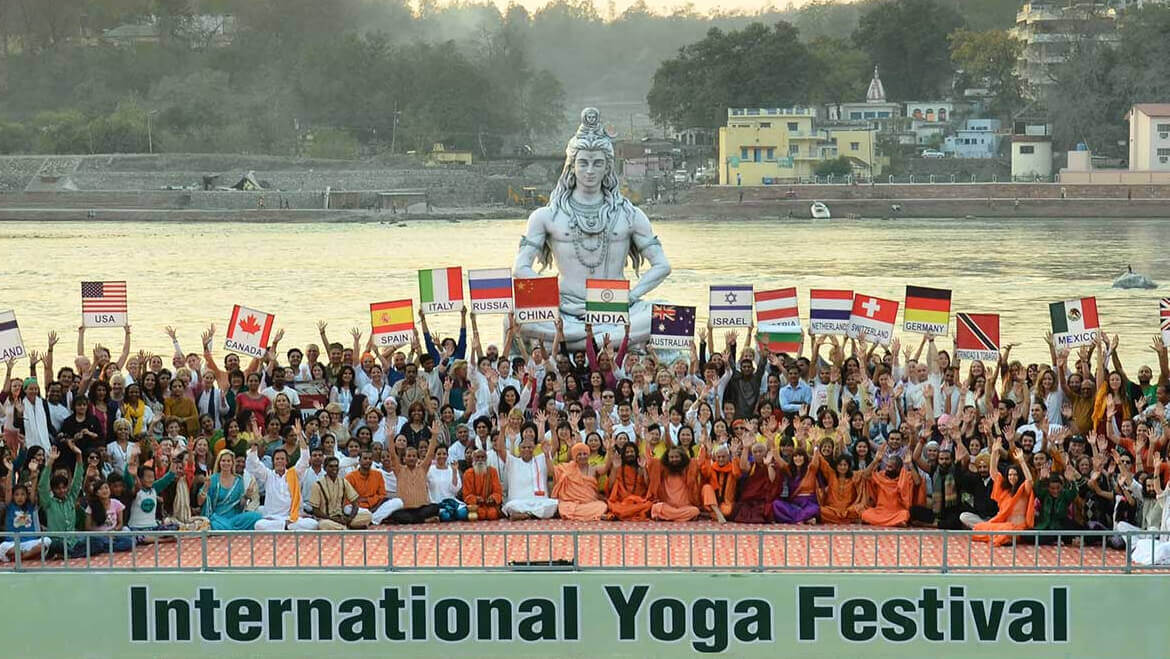
Supported by India’s Ministry of Tourism, Parmarth Niketan Ashram hosts the world-renowned International Yoga Festival, now recognized as one of the most significant global gatherings dedicated to yoga, wellness, and spiritual unity.
Festival Highlights
1. Diversity and Scale
Held every year in early March, this week-long celebration attracts thousands of participants from over 30 countries.
During the 2024 edition, more than 150 yoga masters and spiritual teachers conducted over 70 hours of workshops, covering a wide spectrum of traditions including Hatha, Ashtanga, Vinyasa, Iyengar, Kundalini, and Kriya Yoga.
2. Distinguished Teachers
The festival is graced by some of the most revered names in the spiritual world, such as:
-
H.H. Pujya Swami Chidanand Saraswatiji
-
Pujya Sadhvi Bhagawati Saraswatiji
It also features internationally acclaimed yogacharyas like:
-
Seane Corn
-
Gurmukh Kaur Khalsa
-
Anand Mehrotra
…and many more who bring their unique teachings to this global platform.
3. Beyond Asanas: A Complete Yogic Experience
The International Yoga Festival offers an immersive spiritual journey that goes far beyond physical postures. Participants can experience:
-
Sacred rituals and traditional ceremonies on the banks of the Ganga
-
Inspiring satsangs—spiritual talks and wisdom sessions with enlightened masters
-
The mesmerizing Ganga Aarti performed at sunset
-
Workshops on meditation, pranayama, Ayurveda, and holistic healing
-
Special outings, including guided visits to the iconic Beatles Ashram
Why Rishikesh Holds the Crown
1. Unmatched Geography and Environmental Perfection
Rishikesh: The Gateway to the Himalayas and Beginning of the Char Dham Yatra
For centuries, pilgrims paused in Rishikesh to bathe in the Ganga and purify themselves before traveling deeper into the Himalayas. This tradition transformed Rishikesh into a spiritual threshold—a place to prepare one’s body, mind, and soul before stepping into realms of deeper devotion and renunciation.
Geographically, Rishikesh sits at a rare intersection: where the Indo-Gangetic plains meet the Himalayas, at an elevation of about 340 meters (1,120 ft). This unique setting offers:
-
Crisp mountain air
-
Minimal pollution
-
Lush forests and wildlife
-
Mesmerizing waterfalls
-
Breathtaking views of snow-draped peaks
A Natural Soundscape for Meditation
The rhythmic flow of the Ganga, the birdsong at dawn, and temple bells at dusk create a naturally meditative environment. Ancient yogis sensed what science now confirms: the sound of flowing water lowers cortisol levels and induces calm.
The Sacred Ganga: River of Purification
The Ganga flows right through the heart of Rishikesh. Mythology says that when King Bhagiratha prayed for the river to descend from heaven, she flowed through the matted locks of Lord Shiva to soften her fall. Even today, the Ganga Aarti at Parmarth Niketan—with its chants, bells, and glowing lamps—remains one of the most spiritually charged experiences in India.
This divine presence is one of the primary reasons Rishikesh has withstood the test of time as a timeless center of spiritual awakening.
2. Highest Concentration of Yoga Schools and Ashrams in the World
Rishikesh has the largest cluster of yoga schools and ashrams on the planet. Current estimates suggest over 100 registered Yoga Alliance schools—alongside many traditional ashrams, boutique studios, and specialized retreats.
Iconic Institutions Include:
-
Parmarth Niketan: Founded in 1942, one of India’s largest ashrams with 1,000+ rooms
-
Sivananda Ashram: Established by Swami Sivananda in 1936
-
Beatles Ashram (Chaurasi Kutia): The historic center of Maharishi Mahesh Yogi’s TM movement
-
Omkarananda Ashram: Famous for Iyengar Yoga
-
Yoga Niketan: One of Rishikesh’s oldest and most respected ashrams
-
Contemporary Schools:
Rishikesh Yogkulam, World Peace Yoga School, Rishikesh Yogpeeth, Rishikesh Yogis Yogshala, and many others offering world-class TTCs
From weekend workshops to intensive 500-hour teacher training, Rishikesh offers a vast range of learning experiences. The strong presence of diverse schools ensures high standards, variety, and constant innovation.
3. Accessibility and Affordability for Every Seeker
Rishikesh is not a luxury-only wellness retreat—it embraces all seekers, regardless of background or budget.
Cost Advantage
A 200-hour YTTC that costs $4,000–$6,000 in Western countries can be completed in Rishikesh for $1,000–$1,500, often including:
-
Accommodation
-
Vegetarian meals
-
Study materials
-
Excursions
Accommodation for All Budgets
-
Ashram dorms: $5–$10/night
-
Mid-range guesthouses: $20–$40/night
-
Luxury resorts: $100+
A Sattvic Environment by Design
Rishikesh is a strictly vegetarian and alcohol-free zone, naturally supporting the yogic lifestyle and helping practitioners stay focused, grounded, and disciplined.
Excellent Connectivity
Despite its serenity, Rishikesh is easy to reach:
-
25 km from Dehradun’s Jolly Grant Airport
-
240 km from New Delhi
-
Well-connected by road and rail
4. Spiritual Zest and the Collective Consciousness
Many visitors describe an immediate energetic shift the moment they arrive in Rishikesh—an intangible yet unmistakable spiritual vibration. This powerful atmosphere is part of what keeps seekers returning again and again.
A Day in the Life of a Yogi in Rishikesh
-
4:00–6:00 AM: Morning sadhana
-
6:00–8:00 AM: Sunrise yoga & pranayama
-
11:00 AM–12:00 PM: Meditation & philosophy classes
-
4:00–6:00 PM: Evening yoga
-
6:00–7:30 PM: Ganga Aarti
-
8:00–9:00 PM: Satsang, kirtan, or meditation
This collective rhythm creates a phenomenon called entrainment, where the mind naturally aligns with the elevated spiritual frequency of the environment.
Celebrity Reflections
Rishikesh has inspired countless global figures—
The Beatles, Julia Roberts, Russell Brand, and many renowned yoga teachers have spoken about their transformative journeys here.
5. A Universal Approach Beyond Religion
Although deeply rooted in Hindu spirituality, Rishikesh transcends religious boundaries.
Yoga, Not Rituals
Unlike cities like Varanasi or Haridwar, where rituals dominate, Rishikesh places its focus on:
-
Yoga
-
Meditation
-
Breathwork
-
Inner experience
-
Spiritual growth
This universal approach appeals especially to international seekers who want spirituality without compulsory religious expectations.
Inclusive Teachings
Teachers in Rishikesh draw from diverse wisdom traditions—Buddhist philosophy, Christian mysticism, Sufi poetry—showing that yoga is a universal science of self-realization.
6. Perfect Harmony of Tradition and Modernity
Despite its ancient roots, Rishikesh effortlessly adapts to modern needs.
Adventure Capital of India
For those who enjoy balancing inner and outer adventure, Rishikesh offers:
-
White-water rafting
-
Bungee jumping
-
Trekking
-
Rock climbing
-
Camping
This unique blend attracts everyone—from dedicated spiritual seekers to curious travelers.
Modern Comforts Within a Spiritual Atmosphere
The city now offers:
-
Comfortable accommodations
-
Reliable high-speed internet
-
International restaurants
-
Well-equipped yoga studios
-
Holistic wellness centers
Gateway to the Himalayas
Rishikesh is the starting point for the Char Dham Yatra—Badrinath, Kedarnath, Gangotri, and Yamunotri—drawing thousands of pilgrims each year and strengthening its role as India’s spiritual heartland.
The Living Legacy: Rishikesh Today in 2025
A Global Hub for Yoga Teacher Training
With more than 100 certified yoga schools training thousands of students each year from over 120 countries, Rishikesh continues to host more yoga teacher training programs in 2025 than any other place on Earth. Its blend of authenticity, tradition, and transformative learning has made it the world’s most trusted destination for yoga education.
A modern yoga teacher training program in Rishikesh usually includes:
Yoga Philosophy
An in-depth study of classical yogic scriptures—such as Patanjali’s Yoga Sutras, the Bhagavad Gita, the Hatha Yoga Pradipika, and select Upanishads—combined with practical guidance on integrating yogic principles into everyday life.
Asana Practice
Detailed, step-by-step training in yoga postures from multiple lineages including Hatha, Ashtanga, Vinyasa, and Iyengar Yoga. Students learn alignment, modifications, prop usage, and therapeutic variations for different body types.
Anatomy and Physiology
A scientific exploration of how yoga impacts the body: the musculoskeletal, nervous, endocrine, and circulatory systems, as well as its effects on mental health and emotional well-being.
Pranayama
Instruction in classical breath-control techniques to regulate energy, balance the nervous system, and achieve mental clarity.
Meditation
Training in a wide range of practices—from concentration techniques to awareness meditation, mantra-based meditation, and transcendental states of consciousness.
Teaching Methodology
Comprehensive training on sequencing classes, giving effective verbal cues, offering safe adjustments, and creating supportive, inclusive learning environments.
Practicum
Hands-on teaching practice with constructive feedback from experienced instructors, allowing students to build confidence and refine their unique teaching style.
Commitment to Quality
Rishikesh schools generally limit class sizes to 15–20 students, allowing for personalized attention that is nearly impossible in larger Western studios. Combined with the immersive ashram environment, this intimate setting accelerates learning, deepens self-awareness, and supports a powerful inner transformation.
Preservation of Traditional Wisdom
The ashrams and yoga schools of Rishikesh remain deeply committed to preserving and transmitting traditional yogic knowledge through authentic guru–disciple lineages.
A Holistic Approach to Yoga
In Rishikesh, yoga is not viewed merely as a physical fitness routine, as often perceived in the West. Instead, it is honored as a path of spiritual evolution, a journey toward self-realization, and ultimately, moksha—liberation from suffering.
The Eight-Limbed Path of Patanjali
Students quickly discover that asanas (postures) are only one part of a far deeper system. Traditional teachings emphasize all eight limbs of yoga:
-
Yamas: Ethical principles—non-violence, truthfulness, non-stealing, moderation, non-possessiveness
-
Niyamas: Personal observances—cleanliness, contentment, discipline, self-study, devotion
-
Asana: Physical postures
-
Pranayama: Breath regulation
-
Pratyahara: Withdrawal of the senses
-
Dharana: Concentration
-
Dhyana: Meditation
-
Samadhi: Absorption and spiritual enlightenment
This comprehensive framework is what keeps Rishikesh at the heart of authentic yogic education.
A Vibrant Multicultural Community
A Global Melting Pot
On any given day in Rishikesh, you’ll find students from across the globe sharing meals, practicing together, and forging lifelong friendships. United by their passion for yoga, spirituality, and self-discovery, this diverse community brings fresh perspectives and enriches every classroom and meditation hall.
A Network That Lasts a Lifetime
Many students remain connected to their classmates and teachers long after completing their training. These global networks strengthen the worldwide yoga community and support the continued spread of authentic yogic teachings.
Environmental and Cultural Challenges
As a rapidly growing global destination, Rishikesh faces several challenges that require conscious and sustainable solutions.
Environmental Concerns
The increase in tourism has led to issues such as:
-
Waste management challenges
-
Pollution in the Ganges
-
Plastic accumulation
-
Environmental strain from new construction
The catastrophic 2013 flash floods, which destroyed several structures, highlighted the region’s vulnerability to climate change and the need for stronger ecological protection.
Pressures of Commercialization
With the rise in popularity, maintaining the delicate balance between spiritual authenticity and modern tourism has become a challenge. Many fear that excessive commercialization could dilute the sacred atmosphere that makes Rishikesh unique.
Sustainable Initiatives and Hopeful Steps
Local authorities, environmental groups, and traditional ashrams are increasingly prioritizing sustainability. Key initiatives include:
-
Plastic bans and waste segregation programs
-
Restrictions on camping along riverbanks
-
Support for organic farming and local businesses
-
Environmental education for visitors and students
-
Regular river-cleanup drives along the Ganga
These efforts aim to preserve the purity, beauty, and spiritual essence of Rishikesh for generations to come.
Practical Guide: Visiting Rishikesh for Yoga in 2025
Best Time to Visit
Peak Season (September–November & February–April):
These months offer pleasant temperatures between 15–30°C (59–86°F). The International Yoga Festival is held in early March. Most schools operate year-round, but peak season sees the highest enrollments.
Monsoon (July–August):
Heavy rainfall may disrupt travel, but the landscape becomes lush and vibrant. Many yoga schools offer discounted courses during this time.
Summer (May–June):
Temperatures can rise to 40°C (104°F), though nights remain cooler. Fewer tourists visit during summer, making it an ideal time for quiet, distraction-free practice.
Getting There
By Air:
Fly into Jolly Grant Airport (Dehradun), about 30 km away. International travelers usually transit via Delhi. Most yoga schools allow you to pre-arrange a pickup for convenience.
By Train:
Both Haridwar Junction (25 km) and Rishikesh Railway Station connect to major Indian cities. Prepaid taxis and auto-rickshaws are easily available from the stations.
By Road:
Rishikesh is well-connected to Delhi (240 km), Dehradun (45 km), and Haridwar (25 km) via national highways. Luxury and budget buses operate regularly.
Choosing a Yoga School
With over 100 schools to choose from, selecting the right one can feel overwhelming. Here’s what to consider:
-
Certification:
Ensure the school is registered with Yoga Alliance USA (RYS 200/300/500) if you want internationally recognized certification. -
Reviews:
Check recent feedback on Google, TripAdvisor, and yoga forums. Look for consistent patterns in reviews. -
Teaching Team:
Learn about the lead teachers—their experience, background, and training lineage. -
Curriculum:
Review the full syllabus to ensure it matches your interests (philosophy, anatomy, specific styles, etc.). -
Location:
Choose between central Rishikesh (lively, accessible) or quieter areas like Tapovan (peaceful, nature-focused). -
Class Size:
Ideal group size is 15–20 students for optimal personal attention and community bonding. -
Accommodation & Food:
Confirm what’s included—private/shared rooms, meal quality, and facility standards.
Top Recommendations for 2026
Based on reputation, reviews, and training quality:
-
Rishikesh Yogkulam: A highly rated school known for authentic teachings rooted in ancient yogic wisdom. Ideal for serious seekers.
-
World Peace Yoga School: With 10,000+ graduates, this school offers well-structured and comprehensive programs.
-
Rishikesh Yogpeeth: A popular choice for those seeking both teacher training and deep spiritual transformation.
-
Rishikesh Yogis Yogshala: One of the oldest schools in Rishikesh, known for strong traditional methodologies.
-
Parmarth Niketan: Ideal for retreats and short stays. Also home to the famous daily Ganga Aarti.
What to Pack
Clothing
Pack modest, comfortable clothing that covers shoulders and knees, respecting local culture. Bring yoga pants/leggings for practice.
Essentials
-
Yoga mat (usually provided, but bringing your own is optional)
-
Reusable water bottle
-
Headlamp/flashlight
-
Sunscreen & insect repellent
-
Journal for notes & reflections
Medications
Carry prescription medicines, basic first aid, and optional water purification tablets or filters.
Important Documents
Passport, visa, travel insurance, course confirmation, and photocopies of essential documents.
Cultural Etiquette
-
Respect Sacred Spaces:
Remove shoes before entering temples or ashrams. Dress modestly. Photography may be restricted. -
Vegetarian Policy:
Rishikesh is strictly vegetarian. Meat, eggs, and alcohol are not sold and bringing them is considered disrespectful. -
Environmental Awareness:
Use reusable water bottles, reduce plastic usage, and dispose of waste responsibly. -
Social Norms:
Public displays of affection are discouraged. Shoes must be removed in many buildings.
Budget Considerations
Rishikesh remains one of the most budget-friendly yoga destinations in the world.
-
Yoga Courses:
$1,000–2,000 for a 200-hour YTTC (usually includes meals and accommodation). -
Accommodation:
-
Budget: $10–30 per night
-
Mid-range: $40–80 per night
-
Meals:
$3–10 per meal in restaurants. -
Adventure Activities:
$10–100 depending on the activity (rafting, trekking, bungee jumping, etc.) -
Local Transport:
$2–5 for auto-rickshaws, $10–30 for day taxis.
Conclusion
In Rishikesh, world-class yoga education merges effortlessly with authentic spiritual energy and the deeply transformative ashram lifestyle — creating an experience unlike anything else on Earth. This rare harmony of tradition, discipline, and serenity is what makes Rishikesh the foremost destination for aspiring yoga teachers from around the globe.
Nestled in the heart of the Himalayas, the city is home to some of the best yoga schools in Rishikesh, offering affordable, internationally certified teacher training programs that remain true to the ancient roots of yogic wisdom. Known worldwide as the Yoga Capital of the World, Rishikesh invites seekers not just to learn yoga, but to live it — fully, consciously, and with deep inner awareness.
The tranquil setting along the sacred Ganges provides the perfect space to rest, rejuvenate, and reconnect with yourself. It is a place where financial worries dissolve and the mind naturally shifts into peace, clarity, and presence.
Rishikesh is also enriched by the presence of some of India’s most respected yoga gurus — teachers who embody yoga not as a profession but as a lifelong spiritual path. Their guidance, rooted in authenticity and holistic understanding, helps students access yoga in its purest form.
The time-tested traditions that originated here continue to thrive, offering every seeker a genuine opportunity to experience yoga as a journey of self-realization, inner transformation, and profound awakening.
What's Your Reaction?