Yoga for New Mothers: A Gentle Path to Healing, Strength & Self-Care
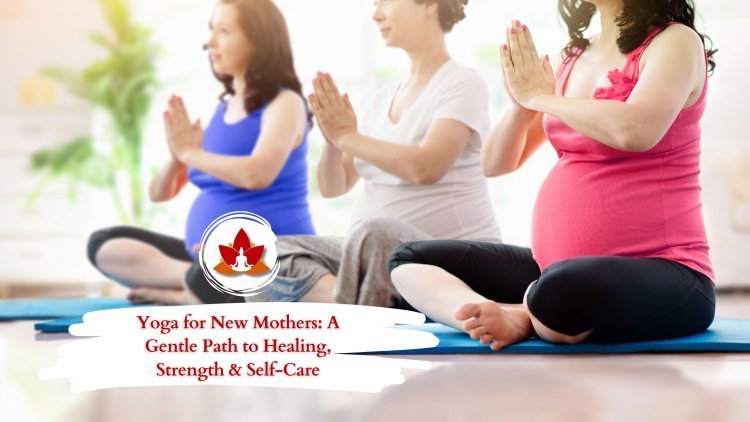
The journey into motherhood begins long before birth. Yet, the period immediately after delivery—often referred to as the “fourth trimester”—is when profound physical, emotional, and hormonal changes unfold. During this time, a new mother needs just as much care, patience, and nurturing as her newborn.
In today’s fast-paced culture, there is an unspoken expectation for women to “bounce back” to their pre-pregnancy bodies and routines almost instantly. This mindset overlooks the reality that the body has undergone nine months of deep transformation followed by the intensity of childbirth. The fourth trimester is not a time for pressure—it is a time for understanding, rest, and gentle rebuilding.
Yoga offers a compassionate and holistic pathway for healing during this tender phase. Postnatal yoga is not about strenuous workouts or achieving advanced poses; instead, it focuses on mindful movement, conscious breathing, and deep body awareness. Through gentle practices, yoga creates a safe and supportive space for new mothers to rest, restore strength, and reconnect with their bodies—honoring the journey they have just experienced while nurturing confidence, balance, and self-care from within.
Knowing Your Postpartum Body
After childbirth, a woman’s body enters a profound phase of recovery and adaptation. Muscles and joints—especially around the pelvis—have been stretched, softened, and placed under significant strain. At the same time, hormones such as relaxin remain active in the body, continuing to loosen ligaments and joints. Because of this, the postpartum period calls for stability and support rather than flexibility or intensity.
New mothers commonly experience a range of physical and emotional challenges, including:
Core Weakness & Abdominal Separation (Diastasis Recti)
During pregnancy, the rectus abdominis muscles naturally separate to make space for the growing baby. Healing this separation requires specialized, gentle core engagement—not high-intensity exercises like crunches, which can worsen the condition.
Pelvic Floor Sensitivity
The pelvic floor muscles may be overstretched, weakened, or even bruised during childbirth. This makes mindful, gradual pelvic floor rehabilitation essential for restoring strength, control, and confidence.
Upper Body & Lower Back Strain
Feeding, carrying, rocking, and bending over the baby place continuous strain on the neck, shoulders, upper back, and lower spine. Without awareness and support, tension can quickly accumulate in these areas.
Exhaustion & Sleep Deprivation
Interrupted sleep becomes part of daily life for new mothers. With energy levels already low, conserving vitality and avoiding overexertion is crucial for healing.
Above all, patience and self-kindness are essential. The body is still healing, nourishing a baby, and adjusting to an entirely new rhythm of life. Yoga gently reminds us to listen rather than push, to soften rather than force, and to honor the body exactly where it is—allowing recovery to unfold with compassion, awareness, and grace.
What about new moms?
Before beginning any postpartum yoga or exercise routine, medical clearance is essential. As a general guideline, most healthcare providers recommend waiting until the 6-week postpartum check-up before resuming structured physical activity. This ensures that your body has had adequate time to begin healing safely.
Vaginal Delivery
If you’ve had a smooth vaginal delivery with no complications, your doctor or midwife may allow gentle movement and light activity earlier than six weeks. However, engaging in structured exercise or yoga practices is typically recommended only after the 6-week mark, once your body has stabilized and healing is underway.
Cesarean Section Delivery
A cesarean birth is major abdominal surgery, and recovery requires additional care and patience. It is crucial to wait 6 to 8 weeks—or until fully cleared by your healthcare provider—before returning to yoga, even gentle poses. This allows the incision and deeper layers of tissue to heal properly before being placed under any stress.
Rushing the recovery process can be harmful. High-impact movements or intense core exercises too soon after childbirth may delay healing of abdominal separation (diastasis recti), contribute to pelvic floor dysfunction, or place strain on a C-section incision. Trust your body, honor its signals, and always prioritize professional medical advice. A safe and mindful return to yoga lays the foundation for long-term strength, stability, and well-being.
Beneficial Aspects of Yoga for New Mothers
Beneficial Aspects of Yoga for New Mothers
Postnatal yoga is thoughtfully designed to support the unique physical, emotional, and hormonal changes of early motherhood. When practiced mindfully, it offers profound benefits for both body and mind—helping new mothers heal, regain strength, and find balance during this transformative phase.
Physical Benefits
Gentle Strengthening of the Core & Pelvic Floor
Postnatal yoga incorporates specialized techniques that safely rebuild deep core strength and restore pelvic floor function without strain or pressure.
Posture Correction & Spinal Support
Regular practice helps counteract rounded shoulders, forward head posture, and spinal compression caused by feeding, carrying, and caring for a baby.
Improved Circulation & Renewed Energy
Gentle, mindful movement stimulates blood flow, reduces stiffness, and helps combat fatigue—naturally boosting energy levels without overexertion.
Mental & Emotional Benefits
Reduced Anxiety & Baby Blues
Coordinating breath with movement soothes the nervous system, helping to ease anxiety, emotional overwhelm, and mood fluctuations.
Emotional Grounding & Stress Relief
Yoga offers a nurturing space for new mothers to process the emotional shifts of childbirth, fostering inner calm, stability, and self-connection.
Better Sleep Quality & Nervous System Regulation
While yoga cannot replace lost sleep, restorative practices such as savasana and conscious breathing can significantly improve sleep quality and support a calmer, more regulated nervous system—making rest more restorative when it does come.
Through its holistic approach, postnatal yoga empowers new mothers to care for themselves with the same compassion they offer their newborns, creating a foundation for long-term health and well-being.
Principles of Postnatal Yoga Practices
A safe and effective postnatal yoga practice requires a specialized, compassionate approach—one that is very different from a general adult yoga class. The focus is not on performance, depth, or intensity, but on healing, awareness, and long-term stability.
Slow, Gentle, Breath-Led Movement
Breath is the foundation of postnatal yoga. Every movement should be guided by conscious inhalation and exhalation, allowing the body to move with ease and control. Rushing through postures is avoided; instead, the practice unfolds slowly and mindfully.
Alignment and Stability Over Flexibility
Postpartum hormones increase joint mobility, making excessive stretching unnecessary and potentially unsafe. The emphasis is placed on correct alignment and building muscular support around the joints to restore strength, balance, and integrity.
Avoiding Strain, Pressure, and Intense Core Work
Any movement that causes coning, doming, or ridging along the abdomen should be avoided. These signs indicate excessive intra-abdominal pressure that the healing abdominal wall is not yet ready to manage.
Honoring the Body’s Healing Timeline
Healing is not linear. What feels supportive one day may feel too much the next. Postnatal yoga teaches awareness, adaptability, and deep respect for the body’s changing needs—encouraging mothers to listen, adjust, and move with compassion rather than expectation.
By following these principles, postnatal yoga becomes a nurturing practice that supports recovery, builds sustainable strength, and honors the body’s natural rhythm of healing.
Back Strengthening Yoga (Vrishchik Asana)
These gentle yoga flows are designed to soothe, support, and restore the postnatal body, particularly the spine and lower back. All practices should be performed only after medical clearance and under the guidance of a certified postnatal yoga teacher, ensuring safety and proper technique during recovery.
Sukhasana (Easy Seated Pose) – Mindful Breath Awareness
Begin with conscious breathing. Instead of deep abdominal expansion, gently direct the breath into the rib cage, allowing it to widen softly with each inhalation and release naturally on exhalation.
Cat–Cow (Marjaryasana–Bitilasana)
A slow, rhythmic movement that warms the spine and reconnects breath with motion. This gentle flow helps release stiffness, improve spinal mobility, and reduce tension in the back.
Pelvic Tilts & Pelvic Floor Activation
Lying on your back with knees bent, exhale as you tilt the pelvis slightly toward the chin and gently engage the pelvic floor muscles. This movement supports core awareness and helps rebuild pelvic stability without strain.
Supported Bridge Pose (Setu Bandhasana)
Place a yoga block or firm cushion under the sacrum for support. This restorative variation softly opens the hips, eases lower back tension, and encourages gentle spinal extension without overexertion.
Child’s Pose (Balasana)
With bolsters or pillows supporting the chest or forehead, this pose offers deep relaxation and gentle spinal release—ideal for calming the nervous system and encouraging rest.
Side-Lying Relaxation Poses
Resting on the side with pillows between the knees and under the head is often more comfortable than lying on the back after childbirth. This position supports the lower back and promotes deeper relaxation.
When practiced with care and awareness, these postnatal yoga movements help rebuild strength, relieve back discomfort, and create a sense of grounding—supporting new mothers as they gently reconnect with their bodies.
Yoga Asanas to be Avoided Post-Delivery
During the postpartum period, certain yoga practices should be temporarily avoided until the core muscles and pelvic floor have fully healed and you have been cleared by a qualified healthcare or yoga professional. This healing process can take several months and should never be rushed.
Intense Core Exercises
Movements such as crunches, sit-ups, Boat Pose (Navasana), and initially planks place excessive pressure on the healing abdominal wall and pelvic floor. Practicing these too early can worsen diastasis recti and delay recovery.
Deep Backbends & Strong Twists
Strong spinal extensions and deep twisting postures may overstretch weakened abdominal muscles and strain ligaments that remain vulnerable due to postpartum hormonal changes.
High-Impact Activities
Jumping, running, and fast-paced vinyasa flows should be postponed until adequate strength, stability, and pelvic floor control are restored.
Breath Retention & Forceful Pranayama
Avoid breath-holding techniques and forceful breathing practices that increase intra-abdominal pressure. Instead, prioritize slow, relaxed, and natural breathing to support healing and nervous system balance.
Postnatal recovery is a gradual process. By avoiding these practices early on and choosing mindful, supportive movement, you create the foundation for safe healing, long-term strength, and sustainable well-being.
Importance of Respiratory Work in Post-Delivery Recovery
Breathing is the most immediate, accessible, and powerful tool in postpartum recovery. Functional—or diaphragmatic—breathing plays a vital role in healing the deep core muscles and restoring healthy pelvic floor function. It also helps re-establish the natural coordination between the transversus abdominis and the pelvic floor, which is essential for long-term stability and strength.
When breath is consciously linked with movement, recovery becomes both safer and more effective. Gently engaging the pelvic floor and deep back muscles on the exhale, and softening on the inhale, helps retrain the body’s natural support system. This breath-led approach lays a strong foundation for rebuilding core integrity without strain.
Slow, extended exhales are equally important for calming the nervous system. They help regulate stress responses, reduce anxiety, and support emotional balance—especially during the demanding early weeks of caring for a newborn. Through mindful breathing, postnatal recovery becomes not only a physical process, but a deeply restorative one for both body and mind.
Emotional Healing and Mental Well-being Through Yoga
Motherhood brings a powerful surge of hormonal shifts and emotions—ranging from deep joy and love to anxiety, vulnerability, and the experience often called the “baby blues.” During this time, yoga offers far more than physical movement; it provides mindfulness tools that support emotional resilience and inner balance.
Yoga creates a safe, non-judgmental space where new mothers can gently acknowledge and release their emotions, meeting each feeling as it arises without pressure or self-criticism. Through breath awareness, stillness, and mindful movement, the practice encourages presence—allowing mothers to simply be with their experience rather than resist it.
This mindful approach plays a vital role in restoring self-confidence, self-connection, and emotional stability, which can feel diminished amid the constant demands of caring for a newborn. By turning inward with compassion and awareness, yoga helps mothers reconnect with themselves, fostering emotional healing, clarity, and a renewed sense of grounding during this transformative chapter of life.
Yoga with Babies
Including your baby in your classes could be an ideal means to bond with your baby and have some exercise time when childcare might not otherwise be possible.
-
When and How to Include Your Baby Safely: Beginning with simple seated yoga poses, or streching out lying alongside the baby during tummy time, or using the weight of the baby during simple leg lifts may help.
-
Strengths of Bonding Through Movement: Shared eye contact, touch, and movement improve bonding.
-
Attending with Loosened Expectations and Realistic Goals: A class can be interrupted by crying and/or a diaper change. The objective of the class is connection and motion, not perfect performance.
Developing a Home Yoga Routine
Creating a home yoga routine as a new mother is about simplicity, flexibility, and self-compassion. Small, consistent practices are far more beneficial than long sessions that feel difficult to maintain.
Short, Realistic Practices (10–20 Minutes)
A gentle 10–20 minute practice while your baby is sleeping is far more effective than waiting for the “perfect” hour that may never come. Consistency matters more than duration.
Choosing the Right Time & Space
Select a quiet, comfortable corner of your home—whether in the nursery or living room—where you can move without distractions. A familiar, calming space helps make practice feel accessible and inviting.
Using Props for Comfort & Support
Blankets, pillows, bolsters, and yoga blocks can transform your practice into a deeply supportive experience. Props reduce strain, enhance comfort, and allow yoga to become a nourishing ritual rather than a physical challenge.
By keeping your home practice gentle, realistic, and adaptable, yoga becomes a source of ease and restoration—one that fits naturally into the rhythm of motherhood.
Techniques for First-time Moms Practicing Yoga
Starting yoga after childbirth is less about achievement and more about gentle restoration, patience, and self-awareness. These simple principles can help first-time mothers build a safe and supportive practice.
Release the Pressure to “Get Back in Shape”
Let go of the idea that postpartum yoga is about returning to a pre-pregnancy body. This mindset can be misleading and counterproductive. Yoga in this phase is about healing, rebuilding, and reconnecting with your body—not weight loss or appearance.
Move Slowly & Celebrate Small Progress
Postnatal recovery unfolds in subtle but meaningful ways. Noticing reduced lower-back tension, improved posture, or feeling calmer after a few minutes of breathing practice are significant achievements. Every small shift is a sign of progress.
Choose Postnatal-Trained Yoga Instructors
Whenever possible, seek guidance from instructors who are specifically trained in postnatal yoga. They understand conditions such as diastasis recti, pelvic floor recovery, and hormonal changes, and can guide you safely and confidently. Programs like the Rishikesh Yogkulam Postnatal Yoga Teacher Training, conducted in the spiritual heart of Rishikesh, India, are dedicated to preparing teachers with this specialized knowledge.
By approaching yoga with compassion and informed support, first-time mothers can create a practice that truly nourishes both body and mind—honoring this powerful season of transformation.
When to Seek Professional Help
-
While yoga is a powerful and supportive tool during postpartum recovery, it should always be practiced in collaboration with medical care, not as a replacement for it. Knowing when to seek professional guidance is essential for safe and effective healing.
-
Seek Immediate Attention for Pelvic Floor or Core Dysfunction
If you experience ongoing pain, urinary leakage (incontinence), heaviness, or visible bulging, ridging, or widening in the abdominal area that does not improve with gentle exercise, professional assessment is necessary. These may be signs of pelvic floor dysfunction or unresolved diastasis recti. -
Work with Physiotherapists or Postnatal Specialists
Access to a pelvic floor physical therapist (PFPT) is extremely beneficial. A qualified specialist can assess your individual condition and create a personalized rehabilitation plan—one that postnatal yoga can safely support and complement. -
Integrating Yoga with Healthcare
The most effective recovery happens when yoga and healthcare work together. Use yoga as a therapeutic tool guided by the recommendations of medical professionals, allowing movement, breathwork, and mindfulness to support your overall wellness goals in a safe, informed way. -
By honoring both professional care and mindful practice, postpartum recovery becomes more balanced, sustainable, and empowering.
Yoga, An Act of Self-Care for a New Mother
Yoga for new mothers is an act of nurturing, not punishment—a gentle offering of care rather than an attempt to “fix” or rush the body after childbirth. It is a conscious commitment to kindness, patience, and self-love. To honor motherhood is to recognize the extraordinary power of the body to create and bring life into the world, and to give it the time, space, and support it needs to heal.
Postnatal yoga invites you to practice with loving awareness, guided by mindful breathing and slow, intentional movement. Through this approach, healing becomes gradual, sustainable, and deeply restorative—allowing both body and mind to recover in harmony.
At its heart, postnatal yoga is about integration: integrating your new identity as a mother with who you were before, and blending new experiences with new ways of moving and being. This gentle practice supports you through the early weeks of motherhood with greater ease, balance, and resilience.
Taking time for yourself during this phase is not selfish. It is an essential act of care that nourishes not only you, but also the loved ones who depend on your well-being. When a mother is supported, everyone around her benefits.
Frequently Asked Questions
What's Your Reaction?