Trimester-Wise Prenatal Yoga: Safe Sequences & Modifications
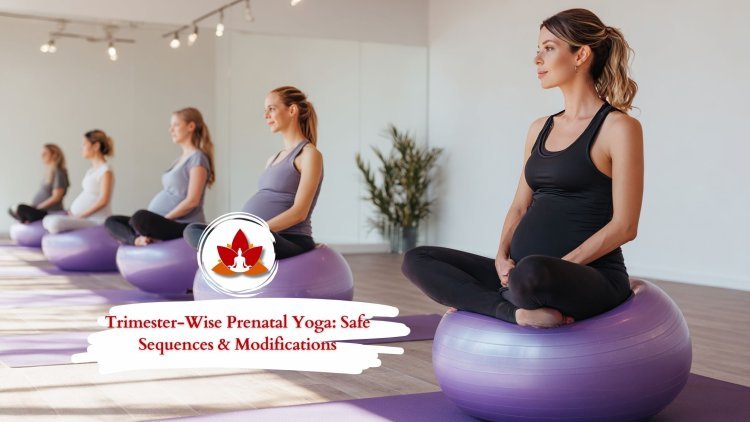
Pregnancy is a deeply transformative journey—physically, emotionally, and spiritually. As an expectant mother’s body adapts to nurture new life, these changes can feel both magical and challenging. Amid this constant evolution, prenatal yoga becomes a powerful and supportive companion.
More than just gentle movement, prenatal yoga is a holistic practice designed to honor the changing needs of both mother and baby. It helps cultivate strength, balance, relaxation, and inner awareness while offering a safe space to connect with the growing life within.
This comprehensive guide will gently lead you through trimester-specific benefits, safe yoga sequences, and essential modifications, empowering you to practice with confidence, comfort, and peace of mind—every step of the way.
The Foundations of Safe Prenatal Yoga
Before exploring trimester-specific asanas, it is essential to understand the core principles of prenatal yoga. These foundational guidelines—supported by leading health authorities such as the American College of Obstetricians and Gynecologists (ACOG)—help ensure a safe, nourishing, and confident practice throughout pregnancy.
Key Guidelines for a Safe Prenatal Yoga Practice
Consult Your Healthcare Provider
Always seek approval from your doctor or midwife before beginning or continuing a prenatal yoga program—especially if you have a high-risk pregnancy or any medical concerns.
Practice with a Certified Prenatal Yoga Instructor
Working with a teacher trained specifically in prenatal yoga is crucial. A certified instructor understands the anatomical, hormonal, and postural changes of pregnancy and can guide you safely through appropriate modifications.
Listen to Your Body
Your body is your most reliable guide during pregnancy. Avoid pushing to your “edge.” If a posture causes discomfort, pain, dizziness, or shortness of breath, modify it immediately or gently come out of the pose.
Avoid Overheating & Stay Hydrated
Practice in a cool, well-ventilated space. Avoid hot yoga styles such as Bikram. Drink water before, during, and after your session to stay well hydrated.
Mindful Breathing
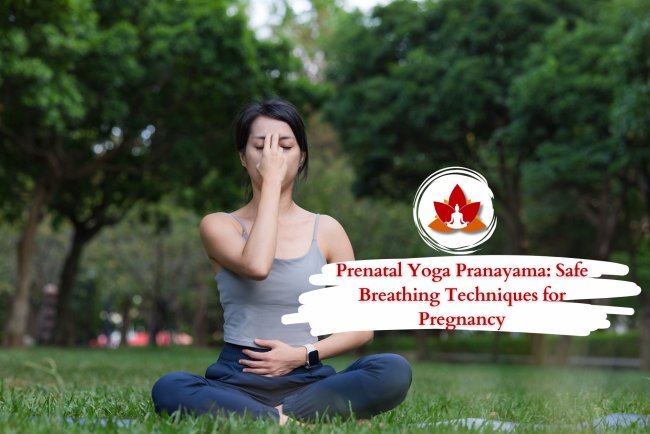
Focus on smooth, deep, and relaxed breathing (pranayama). Breath retention (kumbhaka) should be avoided, as steady oxygen flow is essential for both mother and baby.
Use Props for Support
Props such as blankets, blocks, bolsters, and wall support are invaluable during pregnancy. They help maintain balance, stability, and comfort as your center of gravity shifts.
Avoid Lying Flat on Your Back (After the First Trimester)
Supine positions may compress the vena cava, a major vein responsible for returning blood to the heart, potentially reducing blood flow to you and your baby. Instead, practice side-lying postures—preferably on the left side—with adequate support.
First Trimester (Weeks 1–13)
The first trimester is a highly sensitive phase, marked by significant hormonal changes, fatigue, and symptoms such as morning sickness. During this period, prenatal yoga focuses on grounding, gentle movement, relieving early discomforts, and creating a calm, supportive environment for embryo implantation.
Most healthcare professionals and yoga specialists recommend soft asana practices, mindful breathing, and avoiding strenuous activity during this critical stage of pregnancy.
Safe Sequences
Gentle Seated Poses
Begin your practice with supported seated postures such as Easy Pose (Sukhasana) or Bound Angle Pose (Baddha Konasana). Use cushions or blocks under the knees and thighs to encourage relaxation and comfort.
Cat–Cow Flow (Marjaryasana–Bitilasana)
This gentle spinal movement helps ease back tension and improves flexibility. From a tabletop position, round the spine on the exhale and gently lift the chest on the inhale, syncing movement with breath.
Gentle Standing Poses
Simple standing postures, such as Tree Pose or mild lunges, help improve circulation and maintain muscle tone. Practice near a wall or chair for additional support and balance.
Modified Seated Forward Bend (Paschimottanasana)
Sit on an elevated surface with legs extended and softly bent. Fold forward from the hips while keeping the spine long. This pose stretches the back and calms the nervous system. Avoid deep forward folds or lowering the head excessively.
Modifications & Poses to Avoid
Avoid:
-
Deep backbends
-
Closed twists that compress the abdomen
-
Prone (lying-on-the-belly) poses
-
Inversions, unless you are highly experienced and medically cleared
Modifications:
-
Keep twists open through the shoulders and upper back
-
Use a wall or chair for added stability in standing poses
Second Trimester (Weeks 14–27)
Often referred to as the “golden phase” of pregnancy, the second trimester brings renewed energy as nausea subsides. This is an ideal time to gently build strength, stability, and endurance in preparation for the later stages of pregnancy.
As the belly grows, the center of gravity shifts, making balance awareness an important focus.
Safe Sequences
Warrior II (Virabhadrasana II)
Strengthens the legs and hips while enhancing stamina and confidence. Keep the stance wide, ensure the front knee stays aligned over the ankle, and avoid collapsing into the hips.
Triangle Pose (Trikonasana)
This posture opens the hips and shoulders, supports digestion, and improves posture. Use a block under the lower hand to prevent overstretching and maintain alignment.
Goddess Pose (Utkata Konasana)
An excellent pose for strengthening the lower body and encouraging pelvic openness—both essential in preparation for childbirth.
Supported Squat (Malasana)
Practicing a gentle squat with a block or cushion under the hips helps open the pelvis and maintain flexibility. Move slowly and with full awareness.
Modifications & Poses to Avoid
Avoid:
-
Lying flat on the back for extended periods (especially after 16–20 weeks)
-
Deep backbends that strain the abdominal muscles
Replace supine poses with side-lying relaxation or semi-reclined positions.
Modifications:
-
Widen your stance in poses such as Downward-Facing Dog to accommodate the growing belly
-
Use wall support for balance in poses like Tree Pose or Warrior III
-
Avoid overstretching due to increased relaxin levels in the body
Third Trimester (Weeks 28–40)
As the body prepares for birth, comfort, relaxation, and conscious breathing become top priorities. With increased weight and reduced mobility, movements should remain slow, supported, and intentional.
The goal during this phase is to ease spinal tension, reduce swelling, calm the nervous system, and prepare both mind and body for labor.
Safe Sequences
Supported Squat (Malasana)
Continue gentle squatting with support from a block, chair, or wall. This pose helps prepare the pelvis for labor. Avoid this posture if you have been advised against it due to conditions such as prolapse.
Wide-Knee Child’s Pose (Balasana Variation)
A deeply soothing posture that releases tension in the lower back and hips. Keep the knees wide to make space for the belly, and use bolsters or cushions for support.
Side-Lying Savasana (Parsva Savasana)
The safest and most restorative relaxation pose during late pregnancy. Lie on your left side with a cushion between the knees and under the head for full support.
Pranayama (Breathing Practices)
Slow, deep, and rhythmic breathing helps calm the nervous system and prepares you for managing contractions during labor. Emphasize gentle awareness rather than control.
Modifications & Poses to Avoid
Avoid:
-
Inversions, as they may affect the baby’s positioning
-
Lying flat on the back
-
Any posture that compresses the abdomen
Modifications:
-
Keep pose holds short to prevent fatigue
-
Focus on restorative yoga and gentle stretches
-
Use chairs for seated practices if floor sitting becomes uncomfortable
Conclusion
Practicing prenatal yoga with a trimester-by-trimester approach is a gentle yet deeply effective way to navigate the physical, emotional, and hormonal changes of pregnancy. By following safe sequences, honoring your body’s signals, and applying thoughtful modifications at each stage, you nurture both your well-being and your baby’s development.
This mindful practice not only supports strength, comfort, and balance, but also helps you mentally and emotionally prepare for the miraculous journey of childbirth—with confidence, awareness, and inner calm.
Frequently Asked Questions
What's Your Reaction?