Pelvic Floor Yoga Training for Women’s Health & Recovery
Pelvic Floor Yoga is a widely recognized and holistic approach that effectively supports and enhances pelvic health in both women and men. This specialized form of yoga integrates targeted asanas (postures), mindful breathing techniques (pranayama), and awareness-based practices to create a gentle yet powerful, non-invasive method for improving pelvic function.
When practiced consistently and under proper guidance, pelvic floor yoga can help manage and alleviate conditions such as urinary incontinence, pelvic organ prolapse, and chronic pelvic pain. Research indicates that regular, supervised practice strengthens the pelvic floor muscles, improves functional movement, and significantly enhances overall quality of life and body awareness.
In this article, we will explore the anatomy of the pelvic floor, the key benefits of pelvic floor yoga training, effective yoga poses, and the essential precautions and considerations to ensure a safe and transformative practice.
Understanding the Pelvic Floor
The pelvic floor is a complex network of muscles and connective tissues that forms a supportive “hammock” across the base of the pelvis. These muscles play a vital role in maintaining pelvic health by supporting essential bodily functions, including:
-
Organ Support: The pelvic floor holds the pelvic organs—such as the urinary bladder, uterus, and rectum—in their correct anatomical positions, helping them function efficiently.
-
Continence Control: These muscles are crucial for regulating bladder and bowel control, preventing the involuntary leakage of urine or feces.
-
Sexual Function: Healthy pelvic floor muscles contribute to sexual wellbeing by facilitating muscle contractions involved in arousal, sensation, and orgasm.
-
Core Stability: As part of the deep core system, the pelvic floor works in harmony with the diaphragm and transverse abdominis to provide postural stability, balance, and coordinated movement.
When the pelvic floor becomes dysfunctional—whether due to muscle weakness (hypotonicity), excessive tension (hypertonicity), or other pathological conditions—it may lead to complications such as pelvic organ prolapse, chronic pain, and incontinence. Common risk factors include pregnancy, childbirth (especially vaginal deliveries), menopause, and the natural aging process.
The Power of Pelvic Floor Yoga
Pelvic Floor Yoga is a highly effective and holistic approach to pelvic health. Beyond its physical benefits, yoga works on a subconscious and neuromuscular level, allowing deeper and more sustainable improvements than isolated exercises alone. By integrating movement, breath, and awareness, yoga supports both functional strength and long-term healing.
Key Benefits of Pelvic Floor Yoga
-
Improved Muscle Strength and Endurance:
Specific yogic postures help strengthen, lengthen, and coordinate the pelvic floor muscles, enhancing their overall flexibility and functional capacity. -
Reduced Symptoms of Incontinence and Prolapse:
Numerous studies indicate that therapeutic yoga programs can significantly reduce symptoms of urinary incontinence. Emerging evidence also suggests that regular practice may lower the risk of developing pelvic organ prolapse by improving muscular support and pressure regulation. -
Effective Pain Management:
Yoga’s emphasis on conscious breathing and deep relaxation helps release excessive tension in the pelvic floor. This is particularly beneficial for managing pelvic pain associated with chronic muscle tightness, stress, and anxiety. -
Enhanced Body Awareness:
Through mindful movement and breath awareness, yoga cultivates a deeper connection with the pelvic floor, enabling practitioners to recognize, engage, and relax these muscles more effectively in daily life.
Mechanisms of Action
The therapeutic effects of pelvic floor yoga arise from several interconnected principles:
-
Postural Alignment:
Yoga improves overall posture, which directly influences how pressure is distributed across the pelvic floor, reducing unnecessary strain. -
Diaphragmatic Breathing:
The diaphragm and pelvic floor function in close synergy. Deep, diaphragmatic breathing helps restore balanced intra-abdominal pressure and promotes healthy, coordinated movement of the pelvic floor muscles. -
Mindful, Functional Movement:
Unlike isolated strengthening exercises, yoga integrates pelvic floor engagement into dynamic, whole-body movements, encouraging functional strength, coordination, and adaptability.
Must-Know Pelvic Floor Yoga Poses
There are different poses employed in pelvic floor yoga, which may either stimulate or relax the pelvic floor muscles.
Kegel Exercises for Strengthening
These poses work on engaging and lifting the pelvic floor muscles.
-
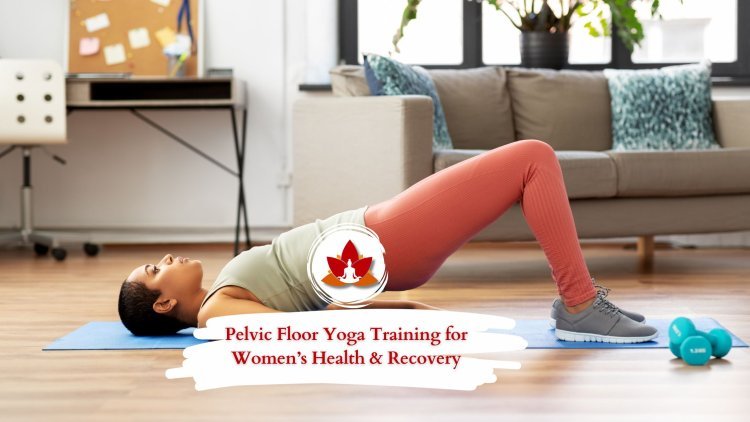
Bridge Pose – Setu Bandhasana: While lying on your back with your knees bent and your feet on the mat, raise your hips at the top with your glutes and pelvic floor muscles contracted.
-
Squat or Garland Pose - Malasana: This basic yoga pose helps to strengthen the pelvic floor muscles. Stand with slightly wider feet than the hips and move into a full squat, resting on a block, if needed.
-
Mountain Pose with Block: Stand erect with the block in between your thighs. Engage your pelvic floor muscles as well as the muscle on the inside of your thighs by squeezing the block.
-
Locust Pose - Salabhasana: Lie on your stomach and raise your upper body as well as your legs off the floor. This pose stimulates very strong activity in your levator ani muscle (which is one of your main pelvic floor muscles), which is appropriate for this type of exercise.
Relaxation Poses-Hypertonic Pelvic Floor
For patients having chronic pelvic pain and/or hypertonicity, the relaxation response can be beneficial.
-
Child's Pose (Balasana): Get down on your knees, then move your large toes together and keep your knees apart. Now, bend forward and drop your head to the mat. This pose helps relieve the pelvic floor muscles and your lower back.
-
Happy Baby Pose - Ananda Balasana: Starting in a lie down position on the back, bring the knees to the chest and grab the outsides of the feet with the hands and pull them towards the body.
-
Reclining Butterfly Pose: Supta Baddha Konasana: Lie down and take the soles of your feet together so that your knees drop to either side. Use some blankets under the knees to support them. The soft belly breathing will help you relax.
-
Cat-Cow Stretch: While on all fours, coordinate the breathing with the movement of the spine. Breathe in to go into cow position with the back arched and breathe out to go into cat position with the back rounded.
Yoga Teacher Training and Certification
Due to the sensitive and complex nature of pelvic health, specialized education is essential for yoga teachers. A general yoga teacher certification alone is not sufficient to safely and effectively address pelvic floor dysfunctions. Working with pelvic health requires advanced training, clinical awareness, and precise cueing.
Specialized programs such as Pelvic Floor Yoga Teacher Training or therapeutic Pilates certifications provide in-depth knowledge of pelvic anatomy, functional assessment, and appropriate modifications for various pelvic floor conditions. These trainings equip teachers to work safely, ethically, and confidently with diverse populations.
What Specialized Pelvic Floor Training Covers
Such certification programs typically include:
-
Detailed Pelvic Anatomy:
Comprehensive study of the pelvis, hip flexors, deep core muscles, and their functional relationships. -
Muscle Tone Assessment:
Learning to recognize and differentiate between hypotonic (weak) and hypertonic (overactive or tense) pelvic floor patterns. -
Breathing & Sequencing Strategies:
Understanding how to apply proper breathing techniques and intelligent sequencing to suit different pelvic health scenarios and individual needs.
Important Considerations and Contraindications
While yoga is generally a safe and therapeutic practice, certain modifications and precautions are essential—especially for individuals with pre-existing pelvic health conditions such as severe prolapse or chronic pelvic pain.
-
Listen to Your Body:
The most important guideline is to avoid any posture or movement that increases pain, pressure, heaviness, prolapse symptoms, or incontinence. Discomfort is a signal to pause, modify, or stop. -
Avoid Excessive Intra-Abdominal Pressure:
Postures that involve strong or forceful abdominal contractions can increase downward pressure on the pelvic floor. These poses should be modified or replaced to protect pelvic integrity and support healing. -
Seek Professional Guidance:
Before starting any pelvic floor–focused exercise program—particularly when an existing condition is present—it is strongly recommended to consult a healthcare provider or a pelvic floor physical therapist. A combined approach that integrates yoga and physiotherapy often yields the most effective and lasting results.
Consistency is key. The effectiveness of pelvic floor yoga depends on regular, mindful practice, and most individuals begin to notice meaningful improvements after 6 to 12 weeks of steady follow-through.
The Key Role of Breathwork in Maintaining Pelvic Floor Well-being: Pranayama Practices
One of the most powerful and foundational tools in pelvic floor yoga is diaphragmatic breathing. This practice is far more than a simple breathing technique—it is a coordinated, rhythmic process in which the diaphragm and pelvic floor work in complete harmony.
The diaphragm, the primary muscle of respiration located in the thoracic cavity, and the pelvic floor are functionally interconnected. They are designed to move together in a synchronized rhythm that supports healthy pressure regulation and muscular balance.
-
During inhalation, the diaphragm descends into the abdominal cavity, naturally increasing intra-abdominal pressure. In response, a healthy pelvic floor gently relaxes, lengthens, and moves downward (eccentric contraction).
-
During exhalation, the diaphragm rises and domes upward, intra-abdominal pressure decreases, and the pelvic floor lifts and contracts upward (concentric contraction).
In individuals with pelvic floor dysfunction—particularly those experiencing pelvic floor tension or chronic pelvic pain—this natural rhythm is often disrupted. Many develop inefficient breathing patterns dominated by the upper chest and neck muscles. This shallow breathing inhibits the pelvic floor’s ability to fully relax and descend, keeping the muscles locked in a state of chronic tension.
Pelvic floor yoga emphasizes mindful diaphragmatic breathing, commonly known as belly breathing, to restore this essential coordination:
-
Inhale:
Sense the rib cage and abdomen gently expanding as the breath flows in. Visualize the pelvic floor softly descending and releasing downward. -
Exhale:
Allow the belly to draw inward toward the spine. Imagine the pelvic floor lifting up and in, like an elevator rising smoothly to the second floor.
This fundamental breathing pattern—practiced independently of physical movement—forms the foundation of all pelvic floor training. It helps shift the nervous system from a state of “fight or flight” to “rest and digest,” creating the optimal internal environment for muscle relaxation, neuromuscular retraining, and deep, sustainable healing.
Mindfulness in combination with the nervous system.
Pelvic floor conditions are rarely purely physical. They often carry a deep emotional and psychological component, as the pelvic region is one of the primary areas where the body stores stress, emotional tension, and even unresolved trauma. Chronic pelvic pain can overstimulate the nervous system, creating a vicious cycle—stress leads to muscular contraction, contraction increases pain, and pain further amplifies stress.
This is where the mindfulness-based approach of yoga becomes a powerful therapeutic tool. Yoga encourages presence, gentle awareness, and the ability to observe bodily sensations without judgment or fear. By shifting attention to the present moment, the nervous system begins to soften, allowing space for healing to occur.
When mindfulness is intentionally integrated into pelvic floor yoga practice, it offers several profound benefits:
-
Interrupting the Pain Cycle:
Calming the mind directly signals the nervous system to downregulate, which in turn allows the pelvic floor muscles to release unnecessary tension and break the pain–stress loop. -
Improved Body Awareness:
With consistent mindful practice, the brain develops a clearer understanding of pelvic floor positioning, tone, and movement, leading to improved coordination and voluntary control. -
Cultivating Self-Compassion:
Yoga creates a safe, non-judgmental environment to explore sensitive aspects of pelvic health. Practicing with compassion—free from shame or embarrassment—supports emotional healing and fosters deeper trust in the body.
By addressing both the nervous system and emotional landscape, pelvic floor yoga moves beyond symptom management and into true, integrative healing.
A Holistic Approach to Pelvic Wellness
Pelvic Floor Yoga is both an art and a science—one that extends far beyond posture and breath alone. It is a multi-layered, integrative practice that weaves together movement, breathing, nervous system regulation, and mindful awareness to support true pelvic well-being.
As practitioners deepen their understanding of the relationship between breath, core stability, and pelvic floor function, they often begin to regain control over challenges such as incontinence and chronic pain. More importantly, they cultivate a renewed sense of respect, sensitivity, and embodied awareness toward their own bodies.
When guided by a qualified and knowledgeable instructor—one who can accurately recognize and work with both hypertonic (overactive) and hypotonic (underactive) pelvic floor patterns—pelvic floor yoga becomes a safe, informed pathway toward restoring balance and vitality to this essential area of the body.
Ultimately, embracing this practice is not about simply strengthening a muscle group. It is about reclaiming comfort, confidence, and trust in the body, allowing pelvic wellness to become an integrated part of everyday life.
Frequently Asked Questions
What's Your Reaction?