Postnatal Yoga for Diastasis Recti & Pelvic Floor Healing
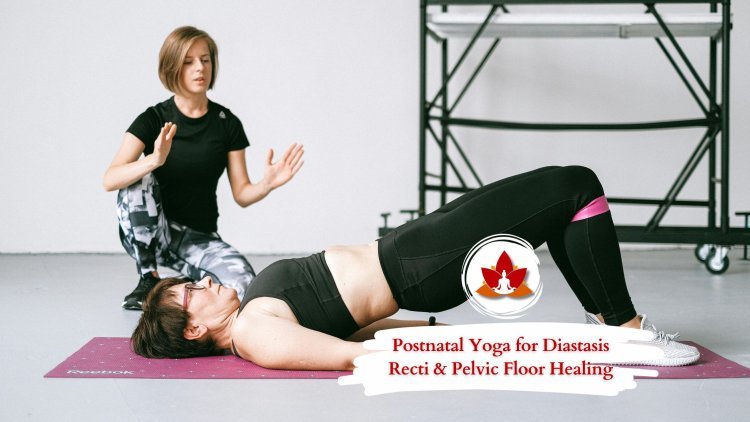
Welcoming a baby into your life brings immeasurable joy—but it also introduces profound physical changes to the body that carried new life. The postnatal recovery journey often involves addressing two closely interconnected concerns: diastasis recti abdominis, the separation of the abdominal muscles, and pelvic floor dysfunction.
When left unaddressed, these conditions can lead to persistent lower back pain, a protruding or weakened abdomen, urinary incontinence, and a lingering sense of physical instability or disconnection from one’s body. Although these challenges are extremely common—affecting the majority of postpartum women—they are not something you simply have to “live with.”
With the right guidance and a mindful approach, these conditions are highly manageable and, in many cases, fully reversible.
Postnatal yoga, when thoughtfully adapted and integrated with evidence-based physiotherapy principles, offers a safe, holistic, and effective pathway to recovery. Through conscious movement, breath awareness, and progressive strengthening, postnatal yoga helps rebuild deep core stability, restore pelvic floor function, and support both physical and emotional well-being.
This comprehensive guide explores the essential connection between core and pelvic floor health, highlights research-supported strategies for postnatal healing, and outlines safe, effective yoga practices to support your recovery journey—gently, intelligently, and sustainably.
Understanding Diastasis Recti and Pelvic Floor Dysfunction
To truly understand postnatal stability, it’s helpful to begin with the concept of the “core canister.” The core functions as an integrated pressure-management system that stabilizes the spine and pelvis by regulating internal pressure. When all parts of this system work in harmony, the body moves efficiently, safely, and with greater ease.
The Core Canister: Key Components
Diaphragm
The primary muscle of breathing, forming the “lid” of the canister. It plays a vital role in regulating intra-abdominal pressure and coordinating breath with movement.
Transverse Abdominis
A deep, corset-like muscle that wraps horizontally around the torso, providing circumferential support, spinal stability, and foundational core strength.
Oblique Muscles
The side abdominal muscles responsible for rotation, side bending, and functional, everyday movements that involve twisting and load transfer.
Pelvic Floor Muscles
A hammock-like group of muscles at the base of the canister that supports the pelvic organs, maintains continence, and manages pressure from below.
Multifidus
Deep spinal muscles running along the vertebrae, offering essential postural support and fine-tuned stability from the back of the core.
During pregnancy, one or more components of this system—most commonly the front abdominal wall (diastasis recti) and often the pelvic floor—become stretched and weakened. This imbalance disrupts the internal pressure dynamics of the core canister, leading to compensatory movement patterns, reduced stability, and dysfunction throughout the body if not properly addressed during postnatal recovery.
Diastasis Recti Abdominis (DRA)
Diastasis recti abdominis refers to the stretching and thinning of the linea alba—the connective tissue that runs vertically down the center of the abdomen and holds the rectus abdominis muscles in alignment. Importantly, DRA is not a hernia.
During pregnancy, hormonal changes—particularly the release of relaxin—soften this connective tissue, while the expanding uterus places mechanical strain on it.
Effective rehabilitation focuses less on simply closing the visible gap, known as the inter-recti distance (IRD), and more on restoring tension, strength, and functional integrity to the linea alba. When this tissue can manage pressure without outward bulging—often referred to as doming or coning—core function can be safely and effectively restored.
Pelvic Floor Disorders
Throughout pregnancy, the pelvic floor is placed under significant and prolonged load as it supports the growing uterus and adapts to hormonal and postural changes. During vaginal birth, these muscles may experience additional stretching, strain, or trauma. As a result, many women develop pelvic floor dysfunction, which may present as muscle weakness, excessive tension (hypertonicity), or even nerve involvement.
Common pelvic floor symptoms include:
-
Urinary incontinence, particularly during coughing, sneezing, laughing, or jumping
-
Pelvic organ prolapse, involving the bladder, uterus, or rectum
-
Pelvic pain or discomfort during intercourse
Extensive research highlights a strong relationship between diastasis recti and pelvic floor dysfunction. A notable study published in Manual Therapy (2015) demonstrated a statistically significant correlation between these two conditions. This evidence reinforces a fundamental principle of postnatal rehabilitation: true core recovery cannot occur without simultaneously addressing pelvic floor strength, coordination, and functional integration.
Evidence for Exercise and Postnatal Yoga
Targeted exercise is widely recognized by physiotherapists and medical professionals as the first-line approach for treating diastasis recti abdominis (DRA) and supporting pelvic floor recovery after childbirth. When exercises are carefully selected and progressively applied, they help restore core strength, neuromuscular coordination, and effective pressure management within the abdominal and pelvic systems.
In recent years, structured yoga and Pilates–based programs have gained increasing attention in scientific literature as effective interventions for postpartum core rehabilitation. A study published in the Journal of Women’s Health Physical Therapy reported significant improvements in inter-recti distance and abdominal strength among early postpartum women who followed a 12-week progressive yoga and core stabilization program.
What truly sets yoga apart is its ability to move beyond isolated muscle training. Instead, it emphasizes integrated, functional movement, breath awareness, and mindful control—key elements required for safe, sustainable, and long-term postnatal recovery.
How Postnatal Yoga Supports Healing
1. Conscious Activation of the Deep Core (Transverse Abdominis)
A cornerstone of safe and effective postnatal exercise is learning how to properly engage the transverse abdominis (TVA). Often described as the body’s natural internal brace, this deep core muscle provides essential support to the spine and abdominal wall.
In postnatal yoga, poses are thoughtfully modified to encourage gentle yet effective TVA activation. This internal support stabilizes the abdomen from within, reduces strain on the healing linea alba, and promotes functional, sustainable core strength rather than superficial muscle tightening.
2. Pranayama: Breathing for Optimal Pressure Management
Diastasis recti is fundamentally a pressure-management issue, and breathing plays a central role in recovery.
Postnatal yoga emphasizes 360-degree breathing, guiding the breath into the lower ribs and back during inhalation. On exhalation, the breath is synchronized with gentle engagement of the core and pelvic floor. This coordinated pattern helps distribute pressure evenly throughout the core canister, preventing the common habit of forceful “belly breathing” that pushes the abdomen outward and downward—placing unnecessary strain on the pelvic floor.
3. Posture and Functional Body Alignment
Pregnancy and early motherhood often introduce significant postural changes, including a flared rib cage, anterior pelvic tilt, and rounded shoulders from feeding, holding, and carrying a baby.
Yoga offers precise alignment cues that help re-stack the rib cage over the pelvis, restoring balance and efficiency in the body. Correcting these gravitational misalignments immediately reduces mechanical stress on the abdominal wall and naturally encourages deeper, more functional core engagement.
4. Mind–Body Connection and Stress Reduction
The postpartum period is frequently marked by sleep deprivation, emotional stress, and hormonal fluctuations—factors that can significantly slow physical healing.
The mindful and meditative aspects of yoga create space for nervous system regulation, helping lower cortisol levels and support the body’s natural recovery processes. Equally important, yoga fosters a renewed sense of connection with a body that may feel unfamiliar after birth, cultivating self-awareness, patience, and self-compassion throughout the healing journey.
Safe and Effective Yoga Postures for Diastasis Recti and Pelvic Floor Recovery
The most important guideline for postnatal exercise is simple—yet absolutely essential:
Avoid any movement that causes bulging, coning, or doming along the midline of the abdomen.
This visible response signals excessive outward pressure on the healing linea alba, which can delay recovery and increase dysfunction. With this principle in mind, postnatal yoga prioritizes restoring connection, control, and stability before progressing toward strength.
Foundational Connection: The Starting Point
Subtle, mindful movements are crucial in the early stages of recovery. They help re-establish the neurological connection between the brain, deep core, and pelvic floor muscles. Without this awareness, strengthening exercises become far less effective—and may even reinforce compensatory patterns.
Core Activation & Pelvic Tilts (Supine)
This foundational exercise lays the groundwork for safe postnatal recovery.
-
Lie on your back with knees bent and feet flat on the floor (constructive rest position).
-
Place one hand on your lower abdomen.
-
Inhale deeply into the side and back ribs.
-
As you exhale, gently draw the navel toward the spine, engaging the transverse abdominis as if lightly cinching a corset.
-
Simultaneously, softly lift the pelvic floor and subtly tilt the pelvis, flattening the lower back into the mat.
-
Inhale fully and release the engagement completely.
Move slowly and mindfully, focusing on control rather than effort.
Diaphragmatic 360-Degree Breathing
Before introducing more dynamic movement, it’s essential to master this breath pattern—either seated or lying down.
-
Direct the breath into the lower ribs, sides, and back rather than pushing the belly outward.
-
Feel a gentle expansion on the inhale and a soft lift and narrowing on the exhale.
-
Avoid pressing the abdomen forward or downward, as this increases pressure on the pelvic floor.
This breathing technique forms the foundation of effective pressure management.
Strengthening the Integrated Core
Once foundational awareness, breath control, and coordination are established, gentle strengthening movements can be safely introduced.
Modified Cat–Cow Flow
A gentle spinal warm-up that encourages coordination between the core and pelvic floor.
-
Come onto all fours with wrists under shoulders and knees under hips.
-
Inhale, lightly arching the spine while drawing the belly gently inward—without allowing it to sag.
-
Exhale, rounding the spine toward the ceiling while subtly lifting the core and pelvic floor.
Bird Dog (Extended Variation)
An excellent exercise for stability, balance, and cross-body integration.
-
From all fours, extend the right arm forward and the left leg back.
-
Keep the torso steady, level, and aligned.
-
Engage the core to prevent arching or shifting.
-
Switch sides slowly and with control.
Bridge Pose (Setu Bandhasana)
This pose strengthens the glutes and hamstrings, which play a vital supporting role in core stability.
-
Lie on your back with knees bent and feet grounded.
-
Engage the glutes and deep core as you lift the hips upward.
-
Keep the ribs anchored down and the abdomen flat, avoiding flaring or pressure.
Supine Toe Taps (Modified Dead Bug)
A safe alternative to traditional crunches that activates the core without excessive strain.
-
Lie on your back with hips and knees bent to 90 degrees.
-
Keeping the lower back stable, slowly tap one toe toward the floor.
-
Alternate sides while maintaining steady core engagement.
Modified Side Plank (Vasisthasana Variation)
Side planks strengthen the obliques, which are essential for circumferential core support.
-
Begin with the bottom knee on the floor for added support.
-
Maintain a straight line through the torso with calm, steady breathing.
-
Progress to a full side plank only when strength, control, and alignment are well established.
Movements to Avoid or Modify: Protecting the Healing Tissues
During postnatal recovery, protecting the healing linea alba and pelvic floor is essential. Certain classical yoga movements naturally create high intra-abdominal pressure or excessive strain and should therefore be avoided or significantly modified. Practicing with awareness and restraint helps prevent further aggravation of diastasis recti abdominis (DRA) and supports safe, long-term healing.
High-Pressure Abdominal Movements
The following movements dramatically increase forward pressure on the abdominal wall and are counterproductive during DRA recovery:
Crunches, Sit-Ups, and Jackknife Movements
These exercises forcefully contract the rectus abdominis against gravity, directing pressure straight into the weakened linea alba and significantly increasing the risk of bulging or doming.
Boat Pose (Navasana)
A highly demanding posture that generates intense forward pressure and almost always results in abdominal coning in postpartum bodies, especially in the early stages of recovery.
Double Leg Lifts and Scissors
These movements place excessive tension on the lower abdominal wall and frequently lead to compensatory patterns such as lower-back hyperextension or forceful abdominal gripping.
Movements That Overstretch the Linea Alba
Excessive stretching of healing connective tissue can delay recovery and compromise overall core integrity. During postnatal healing, it’s essential to respect the body’s current capacity and avoid movements that place undue strain on the abdominal midline.
Deep Backbends
Postures such as Full Wheel (Urdhva Dhanurasana) and Upward-Facing Dog (Urdhva Mukha Svanasana) significantly hyperextend the abdominal wall and thrust the rib cage forward. This action places excessive tension on the linea alba, increasing the risk of delayed healing or regression.
Safer alternatives:
Opt for Sphinx Pose or a gently supported Modified Cobra, which allow spinal extension while maintaining abdominal support and controlled pressure.
Deep Lunges with Excessive Abdominal Stretch
Deep lunges can be beneficial when performed with awareness, but allowing the belly to spill or stretch forward places unnecessary stress on the healing tissues.
Focus on maintaining gentle core engagement and keep the rib cage stacked over the pelvis to preserve alignment, stability, and protection of the linea alba.
Twists and Pranayama Practices to Approach with Caution
During postnatal recovery, certain twisting movements and breathing techniques can place unnecessary strain on the healing abdominal wall and pelvic floor. Practicing with awareness and appropriate modifications is essential for protecting long-term core health.
Deep, Forceful Twists
Seated or compressed twists that sink deeply into the abdomen can significantly increase internal pressure and stress the linea alba. Rather than forcing depth, opt for gentle, upright twists initiated from the mid-back. Maintain length through the spine and engage the oblique muscles lightly to support controlled, functional rotation.
Breath Retention (Kumbhaka)
Advanced pranayama practices that involve prolonged breath retention (kumbhaka) markedly increase intra-abdominal pressure and should be avoided during the early stages of postnatal recovery. Instead, prioritize smooth, continuous breathing patterns that encourage coordinated engagement of the core and pelvic floor while supporting effective pressure regulation.
Key Tips for a Successful Postpartum Recovery Journey
Like pelvic floor rehabilitation, healing diastasis recti requires patience, consistency, and self-awareness—far beyond a single class or technique. This journey is truly a marathon, not a sprint, and honoring your body’s unique timeline is essential for sustainable, long-term recovery.
1. Seek Professional Guidance
This step is foundational. Consulting a Pelvic Floor Physical Therapist (PFPT) or a certified postnatal exercise specialist or yoga instructor allows for an accurate assessment and a personalized recovery plan. Many PFPTs use real-time ultrasound imaging to evaluate deep core and pelvic floor function, ensuring your rehabilitation is safe, precise, and evidence-based.
2. Roll First, Then Rise
Avoid sitting up directly from a lying position. Instead, roll onto your side and use your arms to gently push yourself into a seated position. This simple daily habit significantly reduces strain on the healing abdominal wall and protects the linea alba during everyday movements.
3. Master the Self-Check
Routinely observe your abdomen during exercise and daily activities. If you notice doming or coning, pause immediately and modify the movement. This visual feedback is one of the most effective tools for safeguarding healing tissues and maintaining healthy pressure management.
4. Prioritize Nutrition and Self-Care
Your body is actively rebuilding connective tissue, and proper nourishment plays a vital role in this process. Focus on a nutrient-dense diet rich in protein, vitamin C, zinc, and collagen-supporting nutrients. Equally important are adequate rest, stress management, and gentle recovery practices—all of which directly influence the body’s ability to heal.
Conclusion
When practiced mindfully—with appropriate modifications and professional guidance—postnatal yoga offers a powerful and compassionate pathway to healing the deeply interconnected core and pelvic floor. Through this thoughtful approach, you can gradually rebuild strength, restore stability, and regain confidence, knowing that your practice honors your body’s unique postpartum journey and is firmly grounded in research-backed, evidence-informed principles.
What's Your Reaction?